
The fashion world is currently experiencing a profound shift, marked by the increasing influence of artificial intelligence. Creative leaders in the industry are now faced with the critical decision of whether to incorporate this technology into their artistic processes or deliberately maintain a focus on purely human innovation. This evolving dynamic signals a departure from traditional methods and opens up new avenues for conceptualizing and executing fashion designs.
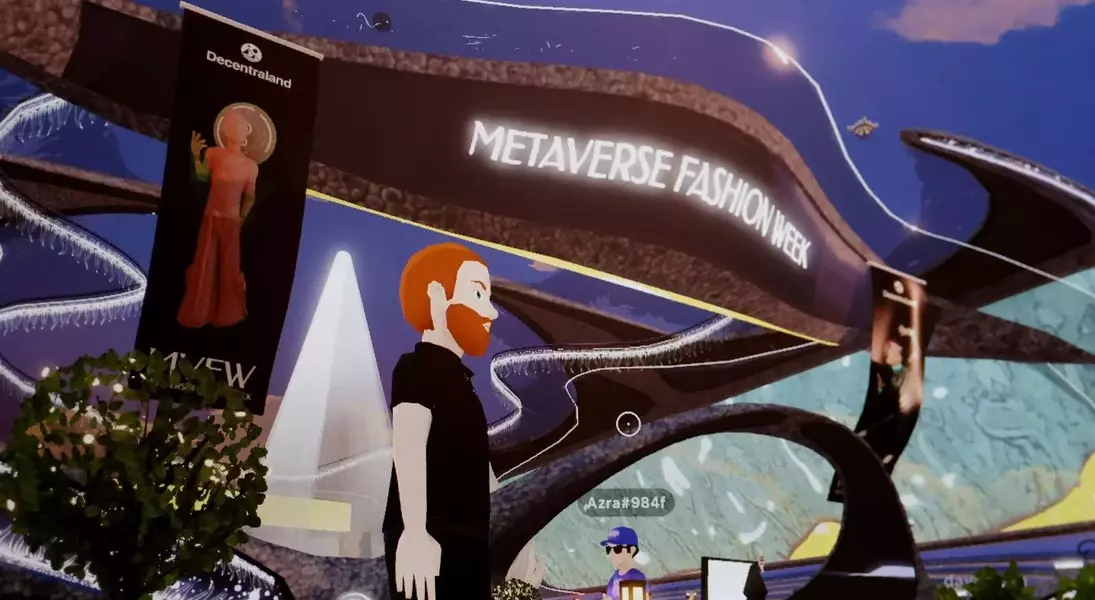
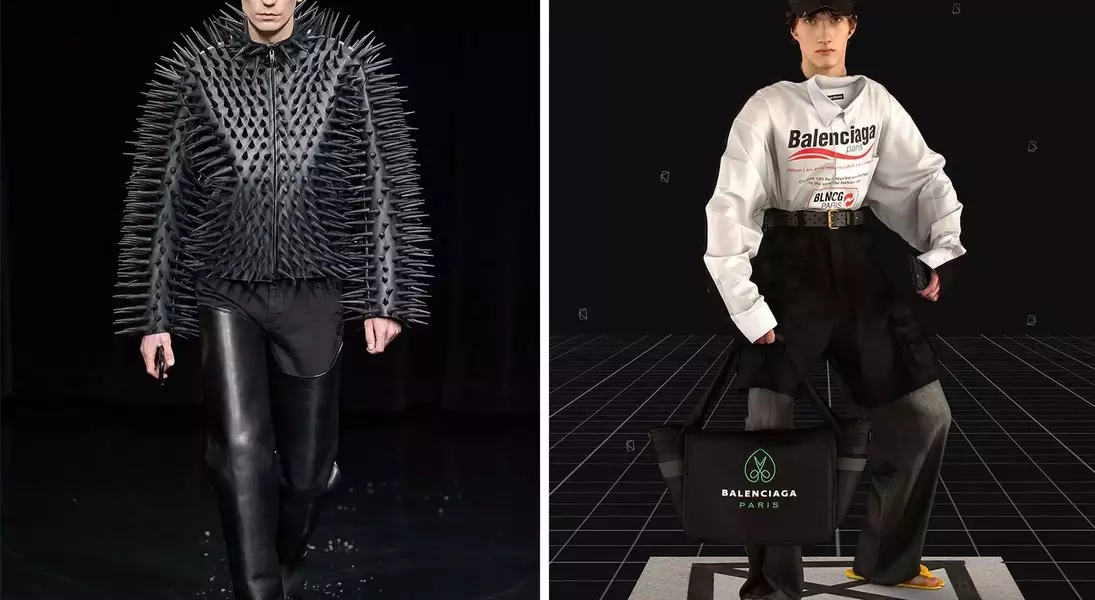
Historically, prominent creative directors have often embraced technological advancements to push artistic boundaries. Figures like Demna, during his tenure at Balenciaga, and Alessandro Michele at Gucci, were pioneers in integrating digital elements such as cyber aesthetics, 3D printing, and computer-generated imagery (CGI) into their collections and campaigns. This early adoption not only showcased a forward-thinking approach but also set a precedent for how luxury brands could engage with emerging technologies, from interactive digital campaigns to explorations in the metaverse. However, the initial fervor for Web3 and NFTs, characterized by high-profile collaborations and virtual collections, eventually subsided, leading to a renewed emphasis on traditional craftsmanship. Despite this, the pervasive rise of generative AI has re-ignited discussions about technology's role, presenting a new challenge and opportunity for brands to redefine their creative strategies and maintain relevance.
Looking ahead, the fashion industry will likely see a clear division between creative directors who actively experiment with AI and those who champion an anti-AI stance, emphasizing heritage and human skill. While some brands might publicly resist AI, the technology's ubiquity means it will inevitably permeate various aspects of the design process, from backend operations to accelerating prototyping. The discerning factor will be how creative leaders leverage AI not just as a tool for efficiency, but as an extension of their artistic vision, fostering novel forms of expression and maintaining authenticity in a technologically advanced landscape. This signifies a maturation of the industry's approach to digital innovation, moving beyond fleeting trends towards a more integrated and thoughtful application of AI.
The integration of artificial intelligence into fashion's creative core represents a dynamic future where innovation and artistry converge. By thoughtfully embracing technological advancements, designers can unlock unparalleled creative possibilities, enriching their craft and engaging with audiences in novel ways. This collaborative evolution between human ingenuity and artificial intelligence will undoubtedly foster a more vibrant, inclusive, and forward-thinking fashion landscape, demonstrating that technology can amplify, rather than diminish, the power of human creativity.
