


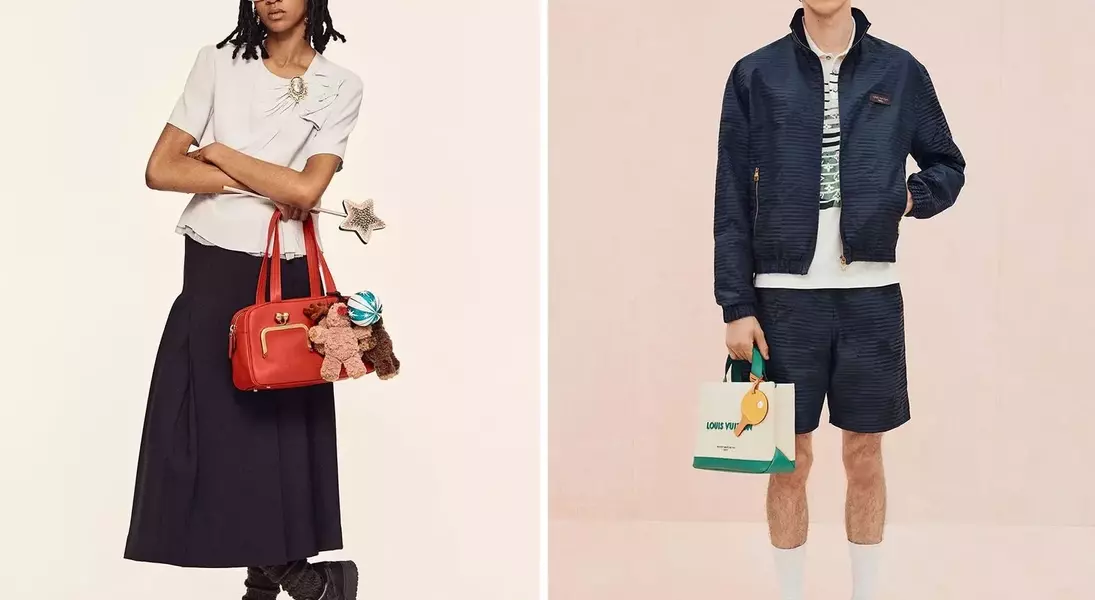
In the dynamic realm of luxury fashion, a notable shift has been observed over the past two years, marked by an intricate interplay between a brand's financial goals, artistic innovation, and environmental responsibility. Industry experts, including Lubomila Jordanova, co-founder and CEO of Plan A, highlight a growing "KPI fixation" that prioritizes immediate financial returns, potentially overshadowing creative expression and sustainability efforts. This trend is further complicated by frequent changes in creative directorships, which, while bringing new energy, can also disrupt established sustainability initiatives. The core challenge lies in seamlessly integrating sustainable practices into a brand's ethos, especially when leadership transitions often refocus on market appeal and profitability.
Effective collaboration and strategic integration are crucial for sustainability teams to thrive in this evolving landscape. Bridging the gap between creative vision and environmental objectives requires finding common ground with new creative directors. This involves understanding their personal values and leveraging those to champion sustainable choices, rather than imposing technical jargon. By fostering an emotional connection and framing sustainability as an intrinsic part of brand identity and consumer resonance, teams can gain vital buy-in. Moreover, embedding sustainability into the foundational processes, such as material selection and supply chain decarbonization, ensures that progress is hardwired into operations, making it more resilient to leadership changes. This proactive approach helps maintain momentum on long-term sustainability goals, even when creative leadership shifts focus.
The impact of creative director changes extends significantly to the supply chain, where long-term sustainability programs can face interruptions or even abandonment. Suppliers, who often invest years in developing sustainable practices, experience considerable uncertainty and disruption from sudden shifts in design direction. To mitigate this, clear communication and consistent commitment from brands are essential. Recognizing suppliers as invaluable resources, with deep historical knowledge and production insights, can foster stronger partnerships. By integrating their expertise into the design process and ensuring predictable order volumes, brands can empower suppliers to continue investing in sustainable innovations, ultimately benefiting the entire fashion ecosystem.
Ultimately, the luxury fashion sector must cultivate a culture where sustainability is not an optional add-on but a fundamental pillar of creative and business strategy. By fostering dialogue, building strong internal and external partnerships, and embedding sustainable practices at every level, brands can ensure that artistic innovation and profitability go hand-in-hand with environmental stewardship. This holistic approach not only safeguards the planet but also strengthens a brand's authenticity and appeal in an increasingly conscious market.
