The fashion world is currently undergoing a significant shift, with the role of creative directors expanding beyond traditional design. This article delves into how these leaders are now expected to be multifaceted strategists, adept at balancing artistic vision with commercial viability, social media engagement, and global market demands.
Leading Fashion's Future: Vision, Influence, and Innovation
The Transformative Wave in Fashion Leadership
Following the Spring/Summer 2026 collections, significant personnel shifts have been observed across prominent fashion houses, particularly in communications, marketing, and design. This series, "Fashion's Real Reset Starts Now," aims to dissect these transformations and their projected influence on the industry's trajectory for years to come.
The Dawn of a New Creative Chapter: 2025's Industry Reset
The year 2025 marked a pivotal moment, ushering in a new generation of creative directors, predominantly millennials, at numerous fashion houses. Characterized by their collaborative ethos, these appointments are laden with high expectations, signaling a major creative overhaul within the industry.
Creative Directors: The Core of Brand Revival
As the industry navigates out of a two-year downturn, designers are increasingly seen as crucial catalysts for brand revitalization. Floriane de Saint Pierre, founder of Floriane de Saint Pierre & Associés, a leading advisory firm for luxury brands, emphasizes that maintaining or altering a brand's artistic direction is a paramount governance decision for CEOs, boards, and shareholders.
Expanding Responsibilities: Beyond the Design Studio
Defining the scope of a creative director's role is a critical governance choice. Alice Bouleau, founder of The Arrow talent agency, highlights the necessity for these leaders to comprehend social media dynamics, celebrity endorsements, sales strategies, and effective collaboration with commercial, merchandising, marketing, and image teams. They must also possess a clear vision for retail experiences and manage relationships with top executives.
The Evolution from Designer to Managerial Role
The role of creative director is increasingly akin to that of a managing director, a significant evolution for individuals typically from traditional design backgrounds. Despite this expanded scope, autonomy can be constrained in large organizations due to the multitude of stakeholders involved.
Beyond the 'Star Designer' Myth: Product Reigns Supreme
The era of the 'star designer' is waning, with brands now prioritizing the house's identity over individual personalities. Recent appointments and consumer trends underscore the enduring importance of product quality. Siddhartha Shukla, Deputy CEO of Lanvin, states that while marketing is vital, exceptional product quality and meaningful design are ultimately what drive success.
Cultivating Influence: The Celebrity Connection
In a landscape dominated by celebrity culture, creative professionals must not only excel in product creation but also leverage their existing networks and forge new alliances with influential figures in entertainment and sports. Maintaining a public profile is also key in this dynamic environment.
Relatability over Remote Divas: A New Public Persona
Bouleau notes a shift in industry preference towards designers who are more relatable, a stark contrast to the once-distant, larger-than-life figures of the past. Modern creative directors are expected to strike a delicate balance: engaging with celebrities without overshadowing the brand, overseeing all aspects while prioritizing product, and demonstrating innovation despite reduced autonomy. Only exceptionally agile and talented individuals can meet these complex and often contradictory demands.
Upholding Integrity in a Dynamic Market
Economic challenges and global uncertainties have brought a sense of realism to the fashion industry. Whether influenced by market shifts or learning from past cautionary tales of predecessors, designers are adopting a more grounded approach, even when engaging with millions of followers online.
The Power of Authentic Product and Vision
Lanvin's Shukla asserts that while celebrity endorsement is a powerful amplification tool, product integrity and a clear, consistent vision remain paramount. Lanvin's choice of Peter Copping, a discreet couturier, as artistic director in 2024 exemplifies this, as Copping focuses on showcasing his work rather than his personal life on social media.
A Shift from Lavish Lifestyles to Understated Elegance
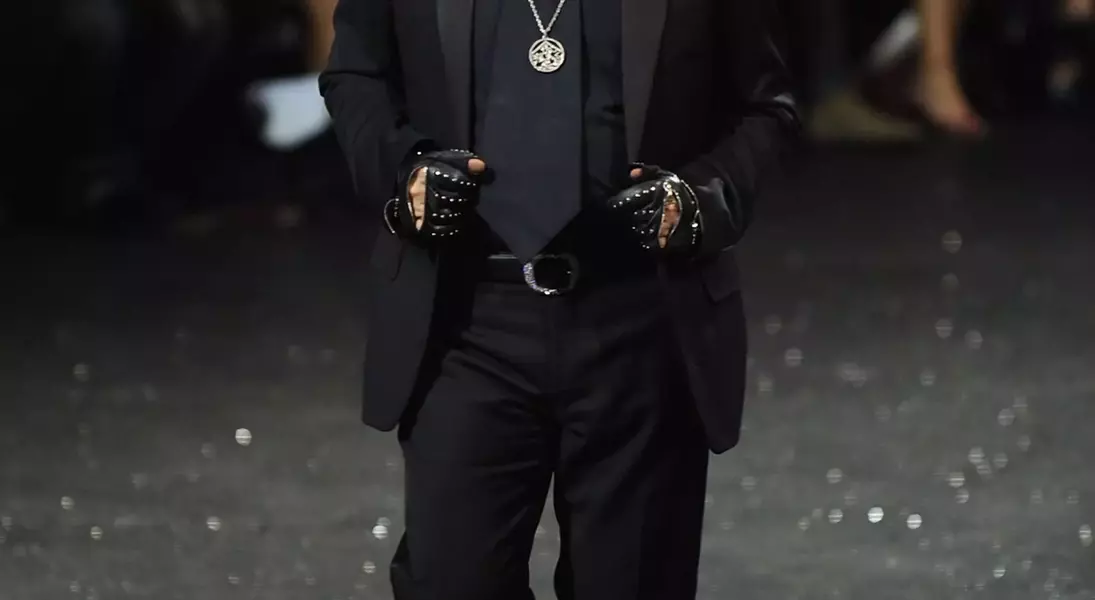
A recent Vogue article highlighted the contrast between Karl Lagerfeld's extravagant lifestyle and Matthieu Blazy's more modest approach, emphasizing a generational shift where designers are less inclined towards opulent displays. This reflects a broader trend of caution among new generation designers, who are more mindful of risk in the current industry climate, as noted by Mathias Ohrel of m-O recruitment firm.
The Necessity of Public Presence
Despite the move away from "rockstar" status, creative directors cannot entirely retreat into their studios. Nick Sullivan, Creative Director of Esquire, argues that a public presence is still essential. This is further evidenced by the rapid increase in social media followers for new creative directors like Miguel Castro Freitas and Dario Vitale following their appointments.
Strategic Celebrity Relations: A Modern Imperative
The importance of strategic celebrity relations is highlighted by the growing demand for directors specializing in this area. Brands are increasingly seeking professionals with a clear vision for connecting with influential figures.
The Amplifying Effect of Celebrity Collaborations
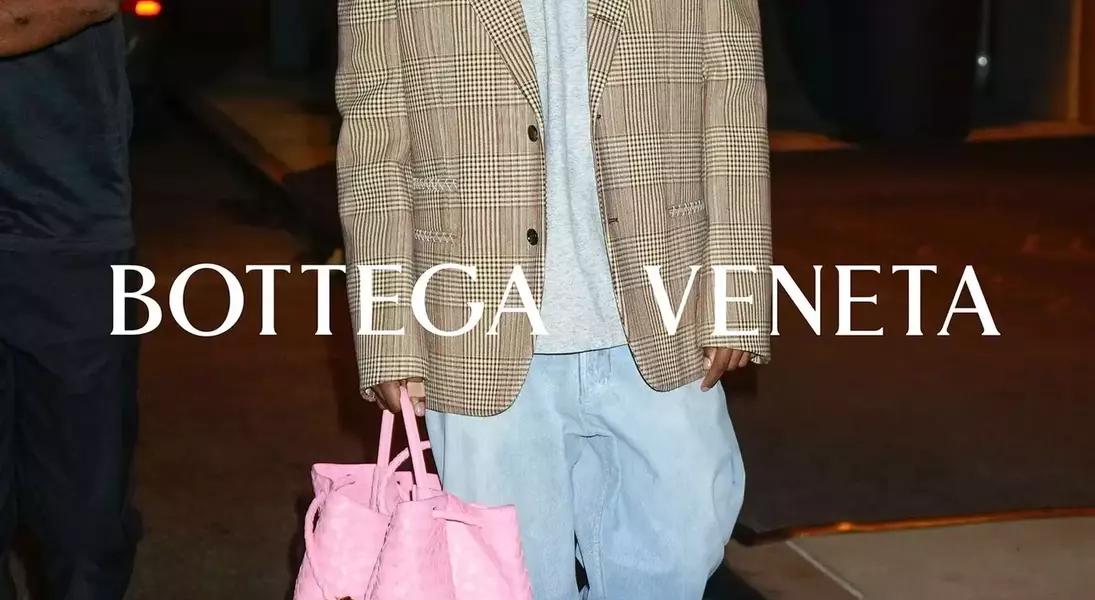
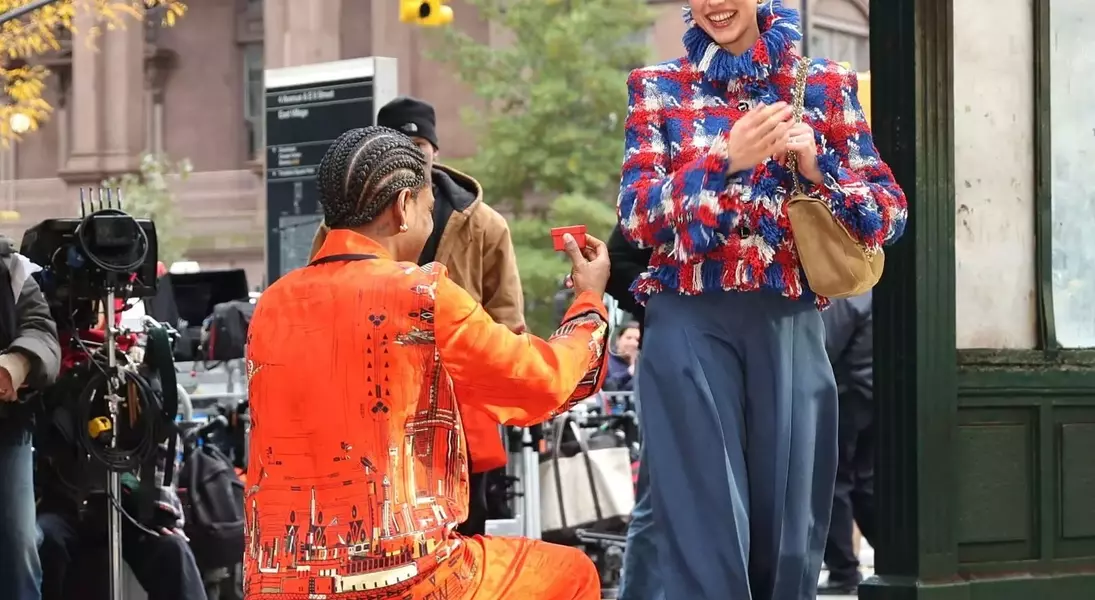
The impact of celebrity collaborations is undeniable. Chanel's announcement of A$AP Rocky as a house ambassador, even for a brand not known for menswear, created significant buzz. His previous successful collaborations with Matthieu Blazy at Bottega Veneta underscore the value of authentic relationships between designers and cultural icons.
Building Lasting Connections: Designer-Celebrity Dynamics
Jonathan Anderson's success in bringing a roster of celebrities, such as Greta Lee and Josh O'Connor, from his tenure at Loewe to Dior exemplifies the importance of cultivating genuine relationships. Similarly, Pierpaolo Piccioli's loyal following, including Anne Hathaway and Meghan Markle, from Valentino to Balenciaga, showcases the power of personal connections in the industry. These authentic relationships with cultural figures not only communicate a designer's values but also boost visibility, cultural relevance, and ultimately, brand profitability.
Navigating a Competitive Talent Landscape
The fashion industry currently faces a "buyer's market" for talent, with supply exceeding demand and brands being more budget-conscious. This competitive environment, coupled with the industry's rapid pace, means creative directors often have limited time to prove commercial success, making it challenging to secure new positions.
The Limited Path for Emerging Luxury Brands
The job market for designers is highly competitive, with thousands of graduates entering annually and very few senior-level opportunities. The high barriers to entry, including substantial marketing and retail costs, also make it increasingly difficult for new luxury brands to emerge and achieve the scale of established houses like Armani or Versace.
New Horizons for Designers: The Eastward Shift
This challenging landscape is prompting designers to explore new avenues. Asia, in particular, is attracting well-known artistic directors from major European luxury brands. Collaborations with Chinese and Japanese powerhouses, such as Kim Jones with Bosideng and Clare Waight Keller with Uniqlo, demonstrate a growing trend. Francesco Risso's move to GU, Uniqlo's sister brand, after nearly a decade at Marni, further solidifies this shift.
Strategic Alliances and Emerging Talent from the East
Mario Ortelli, Managing Director of Ortelli & Co., notes that Asia's premium brands offer a viable alternative for designers, providing them with a platform while enhancing the brands' image. Concurrently, Europe is actively seeking fresh talent, including from the East. Kering's partnership with Shanghai Fashion Week to launch the Kering Craft initiative, supporting promising Chinese designers, highlights this global exchange of talent.
The Future of Creativity: AI and the Next Generations
Looking ahead, artificial intelligence is poised to reshape the role of the creative director. Paul Billot, an independent designer, suggests that future creative directors will need to justify not using AI. The evolving mindset of Gen Z, who prioritize work-life balance, is also expected to influence the industry, potentially fostering a healthier relationship with fashion. The greatest transformation, however, is anticipated with Gen Alpha, whose polymorphic nature and unique perspectives could spark a major resurgence of creativity in design.
