In an evolving landscape where luxury brands are seeking to connect with consumers on a deeper, more relatable level, food has emerged as a powerful cultural force, moving beyond its traditional role to become a central element in fashion's outreach. As economic pressures and audience fatigue prompt a re-evaluation of engagement strategies, the culinary world offers an accessible and emotionally resonant platform for brands to forge meaningful connections. This shift is giving rise to several significant food trends that are set to define the year 2026, reflecting broader societal changes in how we perceive indulgence, well-being, and social interaction.
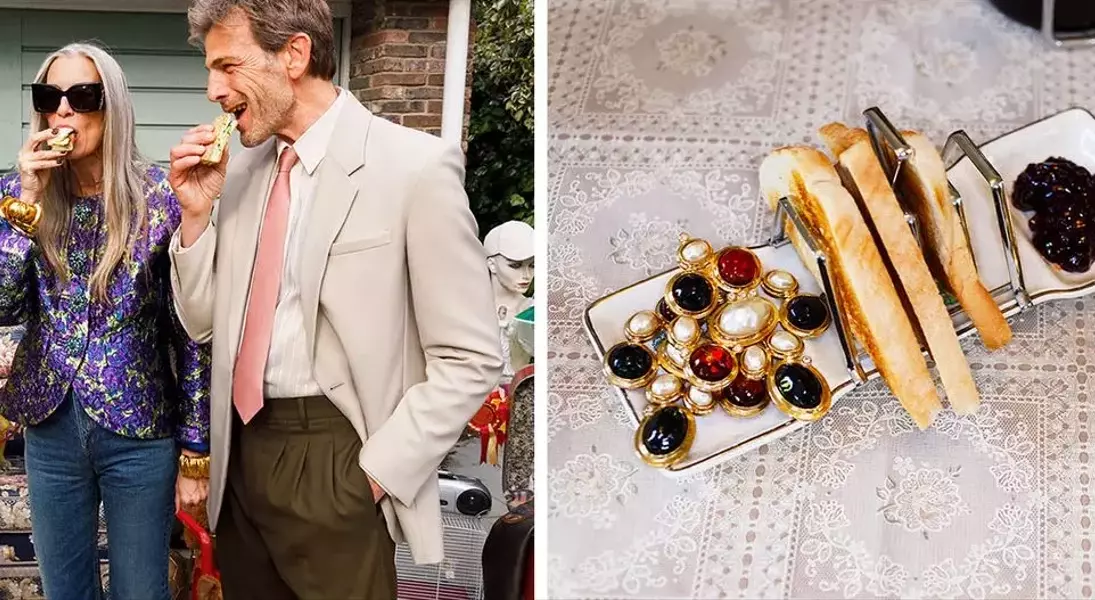
A notable aspect of this convergence is the use of food in sensory marketing and to create viral social media moments. Brands are strategically incorporating edible experiences into their events, leveraging the inherent shareability of food. For instance, a recent pop-up event in Mallorca, hosted by Rhode in collaboration with Magnum ice cream, served 'Lemontini' ice creams, leading to a surge of social media content. Similarly, Saint Laurent's 'An Ordinary Day' campaign featured a picnic aesthetic with meticulously styled food items alongside luxury accessories. Even Neiman Marcus's Spring 2025 campaign brought together culinary influencers and fashion insiders for a sophisticated dining experience, illustrating how food serves as a compelling backdrop for high-end fashion.
This symbiotic relationship also inspires a new generation of culinary artists. Brianna Hollingsworth, a creator with a rapidly growing Instagram following, ingeniously translates runway fashion into edible art. Her creations range from sweet-pickled ginger dishes inspired by Betsey Johnson's Fall 1999 collection to a blueberry and coconut whipped ice cream dessert echoing Dior's 1998 Fall runway. In Seoul, culinary artist Min Kyung Jin takes this concept further by meticulously recreating covetable looks from Spring 2026 collections in pasta form, using ingredients like tagliatelle to mimic intricate designs from Bottega Veneta and Dior.
Looking ahead to 2026, several distinct food trends are anticipated to shape the industry. The first is the rise of 'mini everything,' driven by consumers' desire for enjoyment without excess. Miniature food and drink formats, such as one-bite desserts and small sips of specialty beverages, offer low-commitment self-rewards. Brands like Ladurée and Magnolia Bakery have embraced this trend, providing playful yet premium scaled-down offerings. This trend also caters to value-conscious consumers, allowing them to indulge without overspending, and enables brands to offer premium experiences at accessible price points. Furthermore, the increasing use of GLP-1 medications is influencing a demand for smaller portions, impacting restaurant menus and home cooking habits, making tiny cocktails and snack-sized plates increasingly commonplace.
Another emerging trend is the elevation of texture as the 'new flavor.' As traditional flavor innovation reaches a plateau, consumers are seeking novelty through diverse tactile experiences, from chewy mochi and popping boba to crunchy chili crisp. This global exploration of textures is rapidly spreading across markets, with new examples like Q, a springy, elastic chew inspired by Southeast Asian kueh desserts, gaining traction. This textural focus extends to beverages, with the advent of 'ready-to-eat cocktails' incorporating foams, gels, and gelatin-based elements designed to be chewed. This appeal is deeply emotional, with playful, nostalgic textures offering comfort and escapism, as evidenced by Pinterest trends like 'gummy bears aesthetic' and 'jelly candy aesthetic' influencing fashion.
The concept of 'edible rituals' is also gaining prominence, shifting comfort eating from simple indulgence to a regulated emotional practice. In an era of economic uncertainty, climate anxiety, and digital fatigue, consumers are engaging in repeatable rituals such as structured morning routines, evening teas, and mid-afternoon 'reset' drinks. This transforms food into a low-risk, everyday mechanism for comfort, sensory pleasure, and a sense of control. Brands are responding by offering products that encourage daily practice, such as The Frankie Shop's New Year tea box, designed for specific functions, or collaborations like Starbucks x Farm Rio, which extend fashion into everyday coffee culture through reusable merchandise, reinforcing food and drink as integral recurring touchpoints in daily life.
The increasing mainstream adoption of soft drink pairings reflects a significant behavioral shift among Gen Z, who are increasingly sober-curious and questioning the role of alcohol. This demographic's preference for non-alcoholic alternatives is transforming social experiences, with restaurants beyond fine dining now offering carefully curated soft drink pairings. These options, often crafted with sophisticated ingredients like fermented parsley stems or Thai basil, provide both herbaceous depth and health benefits. Served in elegant glassware, they maintain the sense of occasion without the negative effects of alcohol, highlighting that the value lies in the ritual and feeling special, rather than solely in the alcoholic content.
Finally, 'ancient food, modern comfort' underscores a return to heritage ingredients and time-tested practices amid persistent uncertainty. Brands grounded in traditional medicines and practical food traditions are seen as cultural custodians, valued for both flavor and functional benefits. This aligns with a broader move towards 'Rhythmic Health,' prioritizing wellness that respects the body's natural cycles over hyper-optimization. Traditional preparation methods like pickling and fermenting are being rediscovered, renovating overlooked categories such as tinned fish and canned beans. This mindset redefines wellness as nourishment, with ingredients like bone broths and medicinal mushrooms becoming everyday sustenance, shifting the luxury lexicon towards gut health rather than merely protein. This human-centered approach to food, focusing on care for ingredients and the art of feeding oneself, signifies a profound connection.
As fashion continues to explore relevance beyond mere products, food is emerging as its most fundamental and human language. It offers a shared means of connecting with audiences outside the transactional cycle of consumption, creating culturally open and participatory experiences. The growing understanding of food's influence suggests that these trends will increasingly manifest in 2026, transforming how brands engage with consumers and how we all interact with our daily meals.
