
Japanese menswear is currently experiencing a remarkable surge on the international stage, with Florence's esteemed Pitti Immagine Uomo trade fair emerging as a pivotal arena for its global proliferation. The 109th edition of Pitti Uomo is notably dedicated to Japanese brands, reflecting the escalating influence of the country's designers, particularly those specializing in tailoring. This strategic spotlight enables these brands to leverage Pitti as a crucial stepping stone for international growth, capitalizing on a favorable exchange rate and a burgeoning worldwide appetite for Japanese style and cultural expressions.
The collaboration between the Japan Fashion Week Organization (JFWO) and Pitti has deepened significantly since January, transforming a long-standing working relationship into an official partnership. Kaoru Imajo, director of JFWO, highlights that this closer alliance is designed to facilitate the international expansion of Japanese fashion houses. This strategic move builds upon a rich history of Japanese designers participating in Pitti Uomo, with celebrated figures such as Yohji Yamamoto, Jun Takahashi (Undercover), and LVMH Prize winner Satoshi Kuwata (Setchu) having previously graced the event. This season, however, marks an unprecedented scale of Japanese involvement.
A recent highlight was the 'Sebiro Sanpo,' or 'suit walk,' in Florence, an event sponsored by Italian mill Vitale Barberis Canonico. Over a hundred enthusiasts and fashion influencers paraded through the city's piazzas, showcasing their finest tailored ensembles in a unique Japanese interpretation of 'Pitti peacocking.' 'Sebiro,' a term for a business suit in Japanese, is thought to be derived from 'Savile Row,' underscoring the deep-rooted appreciation for refined tailoring.
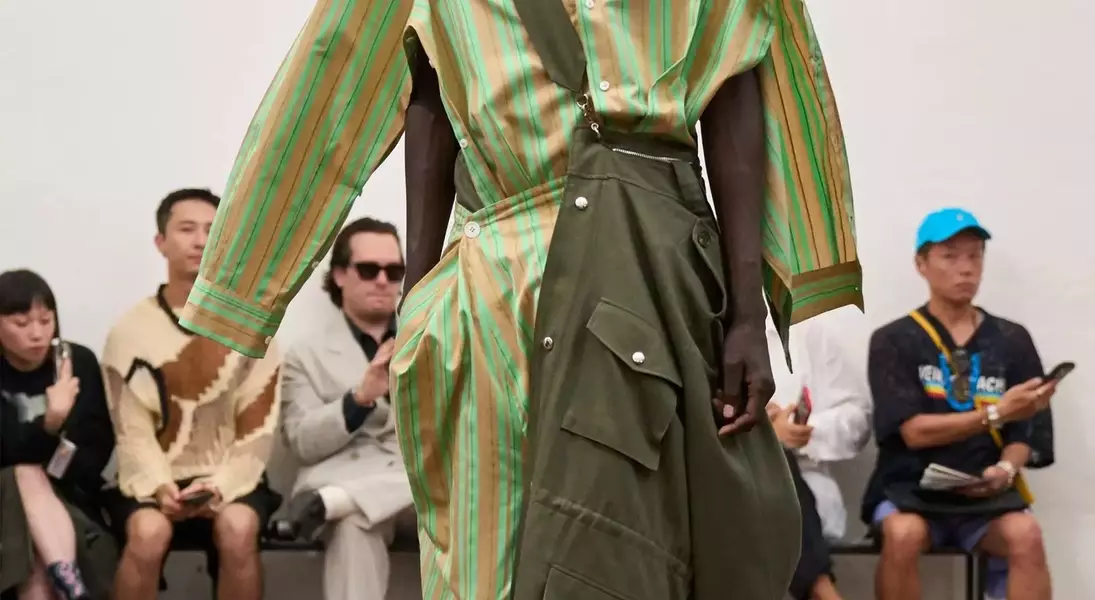
Furthermore, Soshi Otsuki, a recipient of the LVMH Prize, is a special guest designer at Pitti this year. He is set to debut his Armani-inspired tailoring collection outside Japan on January 15, marking a significant milestone in his career. Joining him is Shinya Kozuka, known for his imaginative oversized menswear, who will also present his first international runway show as a 'special feature' in collaboration with Japan Fashion Week. These presentations are poised to introduce fresh aesthetics and diverse perspectives to the global menswear landscape.
The event also features the seventh iteration of the J-Quality initiative, a platform dedicated to showcasing Japanese clothing and production excellence. This includes a curated selection of 'Made in Japan' manufacturers and the biotechnology firm Spiber, renowned for developing brewed protein fibers suitable for textile production. Francesca Tacconi, head of special projects for Pitti Uomo, notes the increasing recognition of Japanese tailoring, stating, 'Every time we have to choose a designer, we look to Japan first.' She observes a paradigm shift, where Italian publications are acknowledging Japanese designers as pioneers of 'new tailoring,' offering a fresh and impactful approach to menswear that transcends conventional boundaries.
The evolution of menswear beyond the streetwear era has spurred consumer demand for novel sartorial expressions. Noelle Rodrigues, co-founder of Future Present, a London-based retailer specializing in Japanese labels and the sole UK stockist for Shinyakozuka, emphasizes that Japanese designers bring a refreshing viewpoint, proposing alternative dressing styles that move beyond rigid menswear norms. She suggests that their heightened visibility signals a significant shift in the international perception and valuation of menswear, fostering a more inclusive and dynamic understanding of fashion.
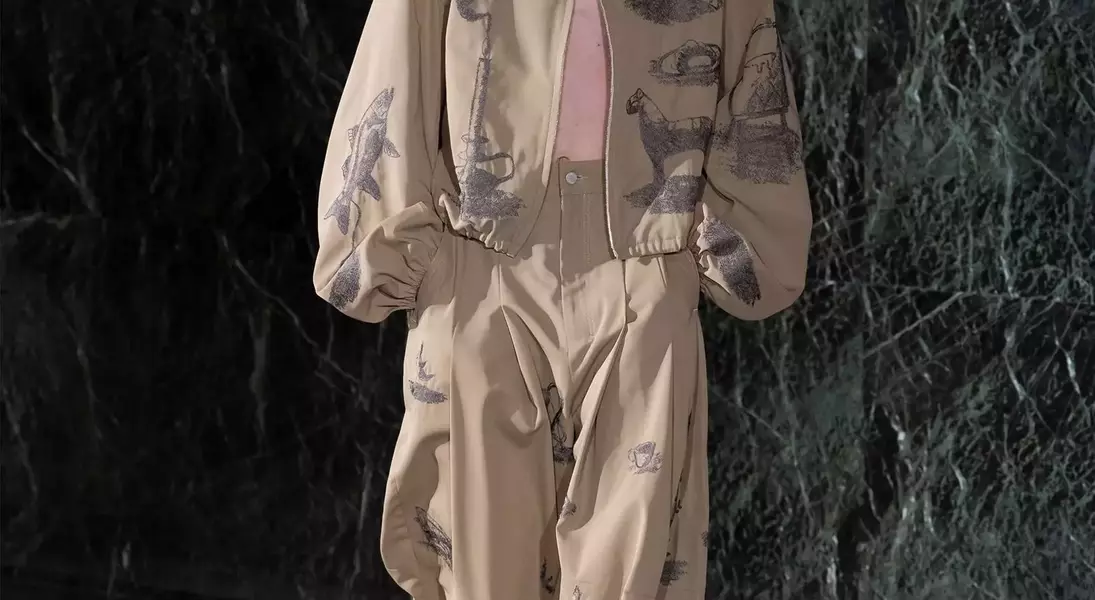
Soshi Otsuki, a central figure this season, is acclaimed for his ability to fuse the nostalgic charm of 1980s Italian tailoring with distinct Japanese elements, such as karate-inspired silhouettes and kimono-tie jackets. This innovative blend offers a compelling reinterpretation of the classic suit. Tacconi praises Otsuki's originality, noting that he ingeniously transforms 'Made in Italy' concepts into his unique 'Made in Japan' creations, rather than merely replicating established designs. This approach, she argues, represents the forward trajectory of fashion, moving beyond mere heritage to embrace innovative adaptation.
Pitti Uomo acts as an essential catalyst for Japanese brands and designers aspiring to venture beyond their domestic market. For Soshi Otsuki, this timing is particularly opportune. Having recently paused direct-to-consumer sales in the US due to tariff changes, he views the Pitti show as a critical opportunity to secure new international accounts outside of America. The fair's dedicated focus on menswear aligns perfectly with Soshiotsuki's core mission to influence the discourse of traditional menswear, making Pitti an unparalleled platform for his work. Similarly, Shinyakozuka harbors ambitions to establish a robust organizational structure and revenue model that would enable consistent runway shows in Paris without undue financial strain. The brand, with half of its annual revenue generated outside Japan and an impressive year-on-year growth of 130% to 150%, sees Pitti as a pivotal first step in building international credibility and brand image.
The support provided by Pitti, which often includes partial or full coverage of show expenses, offers a strategic entry point into the European fashion scene. As JFWO's Imajo points out, gaining access to the official Paris Fashion Week schedule is challenging, making Pitti a more accessible route for brands. Representatives from the Federation de la Haute Couture et de la Mode (FHCM), the organizers of PFW, frequently attend Pitti to scout emerging talent. Satoshi Kuwata of Setchu, who made his runway debut at Pitti Uomo 107, credits the fair with providing 'great motivation' for his team. Despite the complexities of casting, the extensive exposure in Florence significantly amplified brand awareness, leading to Setchu's consistent presence in Milan, where the brand is based.
Shinya Kozuka intends to use his Pitti experience for valuable insights and learning, with the ultimate goal of showcasing in Paris. He expresses excitement and curiosity about how his artistic vision and aesthetic sensibilities will be received by the international audience, aiming to glean crucial feedback for his future endeavors. The more intimate scale of Pitti also presents a unique opportunity for designers to distinguish themselves. Otsuki, in particular, views this moment as transformative, stating that while his long-term ambition is to present regularly in Paris or Milan, he approaches this single show at Pitti with the conviction that it could profoundly alter the trajectory of his career.
