
The landscape of fashion collaborations experienced a notable shift in 2025, moving from a novel approach to a common, yet often less effective, marketing tactic. While these partnerships historically offered avenues for innovation and surprising consumers, the increasing frequency of such ventures has led to market saturation and diminishing returns. Brands are now facing the challenge of distinguishing their collaborative efforts in a crowded environment, prompting a reevaluation of what makes these alliances truly impactful and resonant with modern consumers.
A critical factor for successful collaborations in the evolving market is a deep understanding of target audiences. NielsenIQ’s Stacy Bereck emphasizes that effective partnerships begin with thorough research into consumer values, preferences, and how they might perceive potential brand pairings. The most successful collaborations are those built on shared principles between the participating brands, any involved influencers, and the desired consumer base. This foundational alignment ensures that the partnership feels authentic and meaningful, rather than merely opportunistic.
James Whitner, founder of The Whitaker Group, whose brands like A Ma Maniére and APB frequently engage in collaborations, observes that the excessive reliance on these partnerships has led to a sense of consumer fatigue. He points out that the market is 'exhausted by collaboration' and that 'scarcity is necessary' to reignite interest. This sentiment suggests that the sheer volume of collaborative releases has diluted their impact, making it harder for individual partnerships to stand out and capture attention.
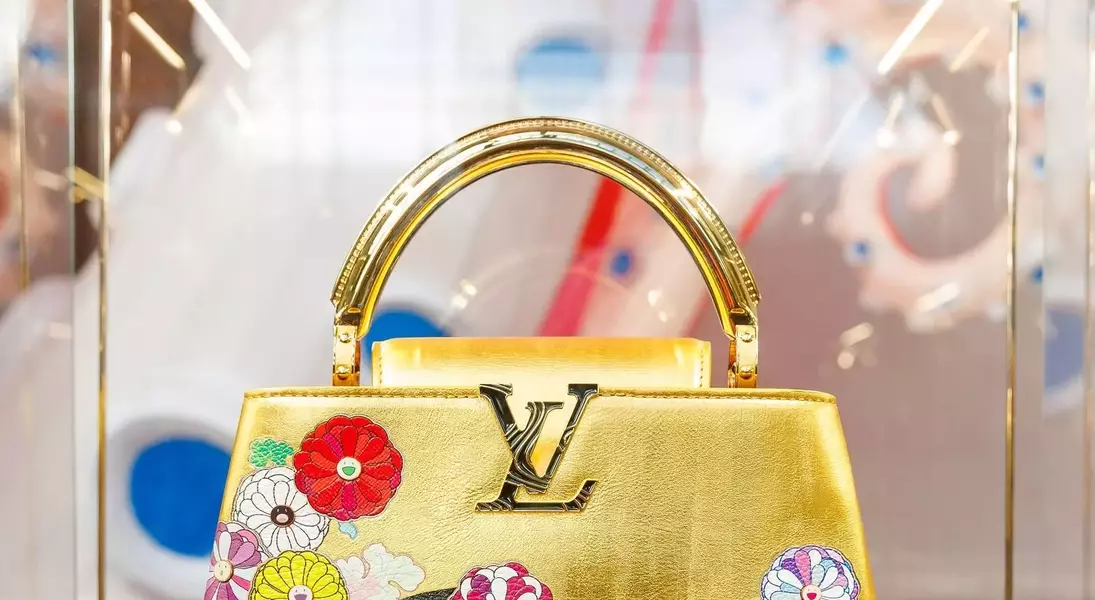
For collaborations to thrive in 2026, they must strike a delicate balance between being logically cohesive and genuinely surprising. Julia Collier, CMO of J.Crew, states that simply combining two brands is no longer sufficient. In today's highly competitive attention economy, creating something novel and relevant is the only way to cut through the noise. Examples like Louis Vuitton's re-edition with Takashi Murakami or Skims x Nike, while high-profile, highlight the varying degrees of resonance such partnerships can achieve, underscoring the need for strategic differentiation.
Gap President and CEO Mark Breitbard underscores that successful collaborations extend beyond mere sales. He believes that impactful partnerships also drive cultural relevance. Gap’s approach involves asking if a collaboration is 'fun,' 'unexpected,' and possesses a 'vibe,' seeking partners who can bring a unique relevance that the brand couldn't achieve independently. This strategy has proven effective, with a significant portion of customers engaging with Gap’s collaborations being new to the brand, demonstrating the power of these partnerships to attract new audiences and generate brand excitement.
The fast-casual chain Chipotle offers an unconventional, yet illustrative, case study. Faced with declining interest from Gen Z, Chipotle has strategically engaged with fashion and beauty brands. Their 'Lipotle' lip stain collaboration with Wonderskin, inspired by a viral social media trend, exemplifies how real-time responsiveness to consumer conversations can create significant cultural moments, even if immediate sales aren't the primary goal. This agile strategy, however, requires careful navigation to avoid a fragmented brand narrative, as cautioned by Alison Bringé of Launchmetrics.
Global fashion retailer H&M has long mastered the art of collaborative success by catering to fashion-forward consumers who appreciate affordability and access to high-end design. By partnering with designers like Glenn Martens and Lorena Saravia, as well as iconic brands like Versace and younger talents such as Simone Rocha, H&M consistently delivers unique collections that align with its mission of democratizing fashion. Head of design Ann-Sofie Johansson notes that future collaborations will continue this blend of globally recognized names with locally relevant talents, promising a dynamic mix for 2026.
Similarly, Sézane’s collaboration with New Balance resonated by blending an American heritage brand with Parisian sensibility, creating a meaningful fusion of styles. This approach highlights the appeal of partnerships where distinct sensibilities meet and subtly influence each other through details, materials, and references. The growing influence of athletic aesthetics, such as 'tenniscore' and 'motorcore,' also drives collaborations, as seen in J.Crew’s three-year partnership with US Ski and Snowboard, aiming to offer capsules rooted in Americana that combine sport and style.
Conversely, collaborations falter when they lack authenticity, misalign with brand values, or fail to resonate strongly enough to break through the market noise. According to Bereck, issues often arise from irrelevant or alienating partners, highlighting the importance of strategic fit. Inauthentic collaborations are particularly risky with Gen Z, who possess a sharp sense for genuine versus superficial efforts. Partnering with an influencer whose values are misaligned or whose endorsement seems dubious can quickly backfire with younger shoppers. Brands must therefore strike a balance between being reactive to trends and maintaining a consistent, authentic brand narrative, as uncontrolled virality can be both a boon and a pitfall. Despite the current fatigue, there remains a demand for meaningful and authentic collaborations, emphasizing that strategic and thoughtful partnerships will continue to be crucial for driving brand engagement and attracting new customers in 2026.
