Across the agricultural heartland of Kansas and Missouri, farmers are confronting the multifarious challenges of the summer season, employing cutting-edge technology and astute pest management to safeguard their yields. This period, characterized by intense heat and critical growth phases, also brings into focus broader policy discussions shaping the future of farming practices.
Harnessing Innovation: Adapting to Nature's Demands in Farming
Strategic Farm Management in July: Balancing Growth and Advocacy
As July progresses, farmers are engaged in a delicate balance of nurturing their crops through crucial growth stages and advocating for their interests on a national level. The report from Humboldt, Kansas, illustrates the intense activity of this period, with farmers actively participating in national agricultural dialogues while simultaneously implementing advanced farming techniques to ensure crop vitality. This dual focus underscores the evolving role of modern agriculturists who must remain attuned to both field-level challenges and policy-level developments.
Automated Solutions for Crop Care: The Rise of Robotic Weeders
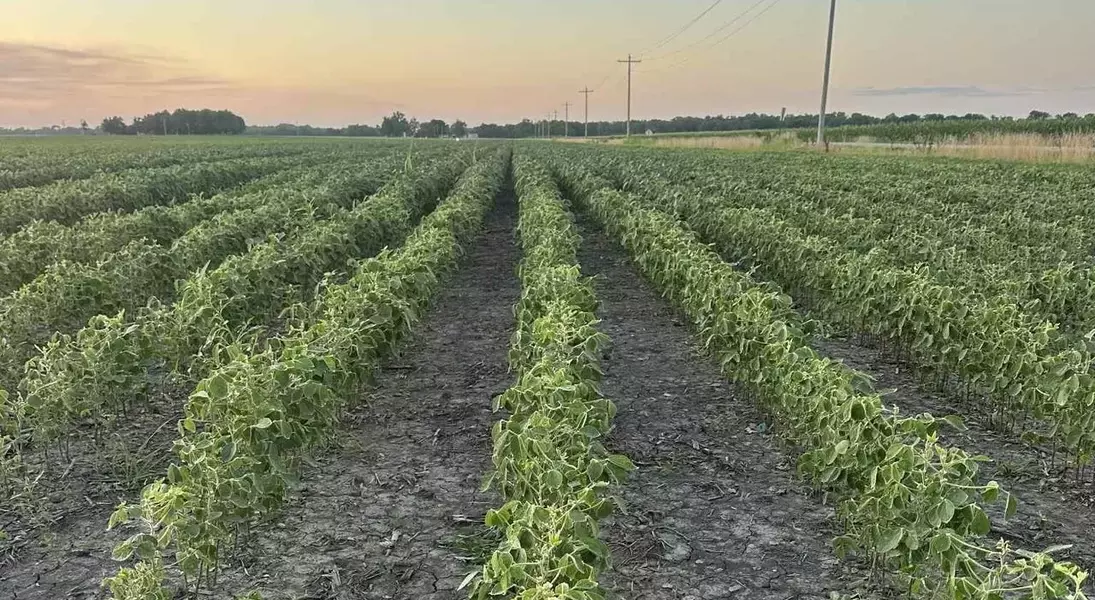
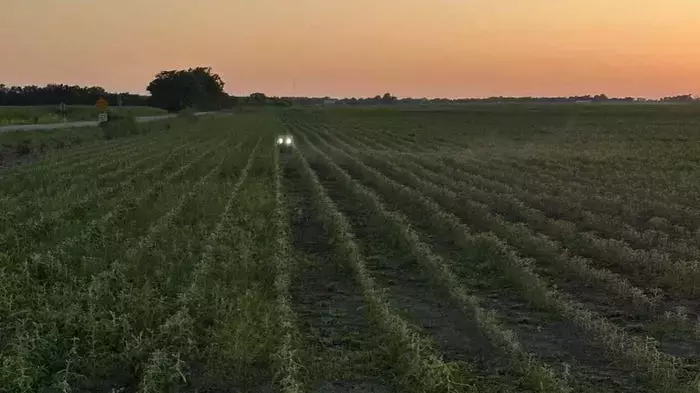
Innovation is at the forefront of contemporary farming, with robotic technology transforming traditional practices. The deployment of robotic weeders in soybean fields represents a significant leap forward, offering efficient and precise weed control that minimizes manual labor and optimizes resource utilization. These autonomous machines, often operating through the night, are not only enhancing operational efficiency but also sparking widespread interest and conversation within agricultural communities, highlighting a growing embrace of technological advancements in the sector.
Weathering the Summer Heat: Moisture, Temperature, and Crop Resilience
The fluctuating weather patterns of summer, particularly the interplay of moisture and temperature, critically influence crop development. In Missouri, recent rainfall has provided a timely reprieve for corn crops, aiding pollination and mitigating the effects of earlier dry conditions. Optimal overnight temperatures have further supported healthy growth. However, rising daytime temperatures and humidity in mid-July necessitate vigilant monitoring and prompt interventions to protect crops from heat stress and pests, ensuring continued resilience and productivity.
Battling Pests and Diseases: Integrated Approaches to Crop Protection
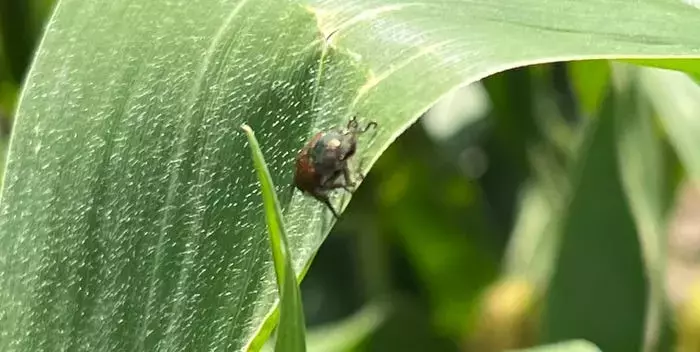
Effective pest and disease management remains a cornerstone of successful crop cultivation. The emergence of pests like Japanese beetles, exacerbated by specific weather conditions, demands immediate action. Farmers are adopting integrated strategies, including the timely application of fungicides and targeted pest treatments, to safeguard their yields. This proactive approach is essential in preventing widespread damage and maintaining crop health amidst the dynamic challenges posed by natural elements and invasive species.
Navigating Agricultural Policy: Trade, Regulation, and Future Prospects
Beyond the immediate concerns of field management, the agricultural sector is deeply intertwined with national and international policy. Recent developments, such as high-level appointments in agricultural trade negotiation and ongoing debates over pesticide regulations, profoundly impact farmers' operational frameworks and market access. These policy discussions underscore the critical need for effective advocacy to ensure that farmers have the necessary tools and support to thrive in an increasingly complex global agricultural landscape.
