A Texas farming family is diligently working to restore their land following severe flooding, while simultaneously expressing immense relief for the timely alerts that allowed them to mitigate potential devastation. This experience highlights the critical role of early warnings in disaster management, enabling proactive measures that can safeguard lives and livelihoods, even as communities grapple with the aftermath of natural calamities. Their ongoing efforts underscore a powerful testament to resilience and the importance of preparedness in the face of environmental challenges.
The Aftermath: A Community's Resilient Response to the Deluge
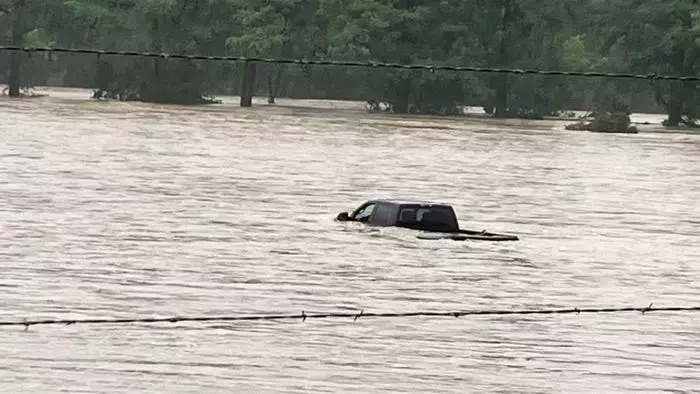
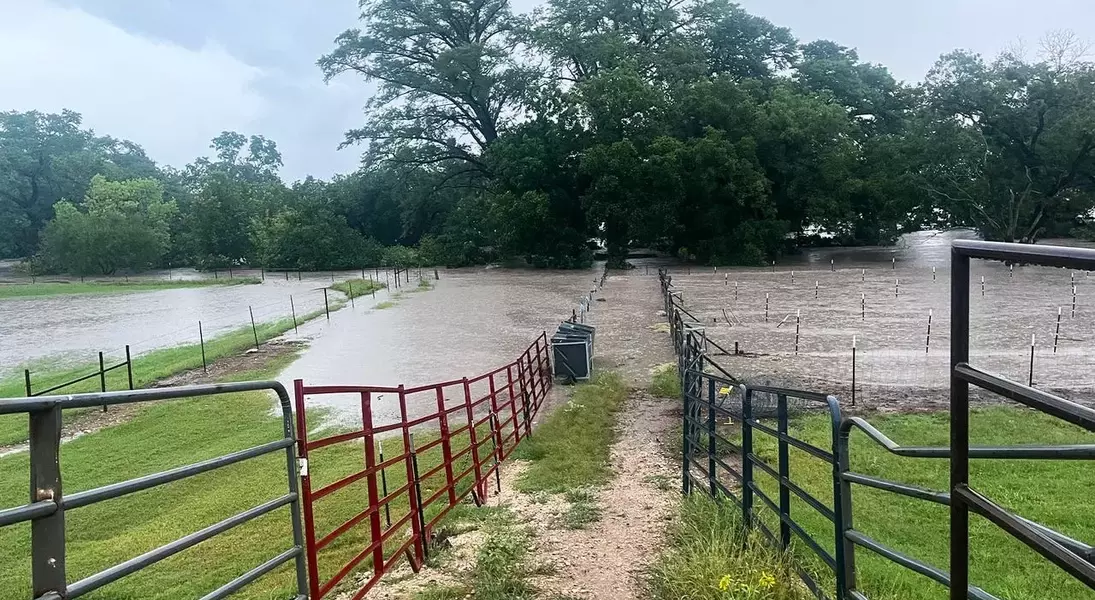
The Allerkamp family, rooted in Comfort, Texas, has embarked on the arduous journey of rehabilitation after their century-old coastal hay farm was submerged by the Guadalupe River's sudden surge on July 4. With the river rising drastically, bringing with it an immense volume of mud, logs, and various remnants, the family is painstakingly clearing their property. This monumental task, largely undertaken manually with rakes and shovels, includes removing large objects like a nearly 5-ton pickup truck that floated onto their land. The family's careful approach, avoiding heavy machinery on the soft, saturated ground, aims to preserve the integrity of their coastal hay fields, ensuring future harvests aren't compromised by lingering debris.
As the Allerkamp family confronts the extensive cleanup on their devastated farmland, they find solace in the fortunate circumstance of an early alert that prevented a greater catastrophe. While the Guadalupe River experienced a rapid rise, they received a critical "heads up" from upstream communities, providing a vital window of three to four hours before the floodwaters reached their property. This crucial time allowed them to relocate essential farming equipment, such as balers and tractors, from vulnerable floodplains and move their show cattle and pigs to higher, safer ground. The absence of casualties in their immediate area, contrasted with the tragic losses upstream, reinforces their gratitude for this forewarning, highlighting how preparedness, even for a short duration, can profoundly impact survival and recovery efforts.
Adapting to Nature's Extremes: From Drought to Deluge
Beyond the immediate challenges of flood recovery, the Allerkamp family also reflects on the paradoxical nature of the recent weather event. While the flood brought destruction, it also delivered a much-needed reprieve from a decade-long drought that had plagued their region. For years, the lack of rainfall had severely impacted their cattle operations, rendering parts of their property unusable due to dry riverbeds. The 6 inches of rain received, despite causing flooding, effectively ended this prolonged dry spell, replenishing water sources and offering a glimmer of hope for the land's long-term health. However, concerns persist regarding the quality of the floodwaters, which may contain pollutants from upstream, posing potential health risks to livestock and affecting the safety of the natural water supply for an extended period.
The transformation of the Guadalupe River from a parched channel to a flowing water source is a significant development for the Allerkamps and the wider agricultural community, particularly in Kendall County. Despite the ongoing cleanup and concerns about water purity, the revitalization of the river is a welcome sight after a prolonged and severe drought. Local agricultural experts, like Stephen Zoeller, a Texas A&M AgriLife Extension agent, acknowledge the profound impact of the drought's end, even while grappling with the uneven distribution of rainfall. The fact that some creeks remain dry just miles from the swollen river underscores the complex hydrology of the region and the localized nature of extreme weather impacts. This dramatic shift from extreme aridity to overwhelming saturation highlights the unpredictable challenges faced by those reliant on the land, and the delicate balance between desperately needed rain and devastating floods.
