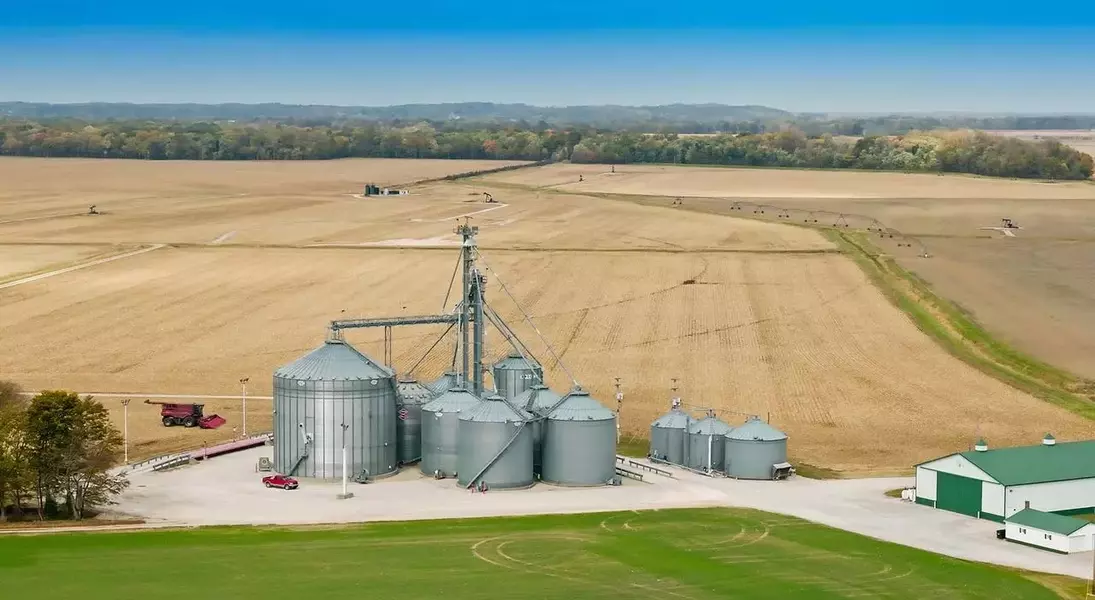
As the Midwest anticipates an abundant corn harvest, potentially setting new yield records, many farmers are deliberating on optimal storage strategies. With current corn prices facing downward pressure since late February due to increased acreage and favorable weather, forward pricing for new crop delivery has been largely unappealing. This scenario prompts producers to consider storing their fall harvest, hoping for improved pricing opportunities in the coming winter months. However, storing corn, whether on the farm or at commercial elevators, entails various costs, including monthly storage fees, drying expenses, and interest accruals.
To mitigate these storage costs, one advanced marketing tactic is the sale of out-of-the-money call options. This strategy, while offering a potential income stream, carries inherent margin risks, particularly if the market experiences an unexpected price surge. Despite these risks, in an environment where a large corn crop might keep prices subdued for an extended period, leading to sideways trading until the full harvest is assessed, selling call options can be a viable option. It allows farmers to collect premium payments, which can directly offset storage expenses, thereby providing a financial advantage during periods of market uncertainty.
Before engaging in such sophisticated market strategies, a thorough understanding of the associated risks is paramount. While selling call options can expose sellers to unlimited risk if the market rallies significantly, it is important to remember that physical grain stored also carries unlimited risk through potential price depreciation. Should the market rally, the increasing value of stored corn can partially offset the margin calls from the sold options. Ultimately, the success of this strategy hinges on market direction, but for producers prepared to accept the challenge of a potentially stagnant or upward-trending market, utilizing call options can transform storage costs into a profitable venture.
Embracing innovative strategies like selling call options against stored grain reflects a proactive and resilient approach to agricultural marketing. In a dynamic economic landscape, understanding and carefully leveraging market tools not only helps manage financial risks but also fosters a forward-thinking mindset. This adaptability and willingness to explore complex solutions contribute to greater stability and potential profitability in the agricultural sector, showcasing the ingenuity of farmers in navigating challenging market conditions.
