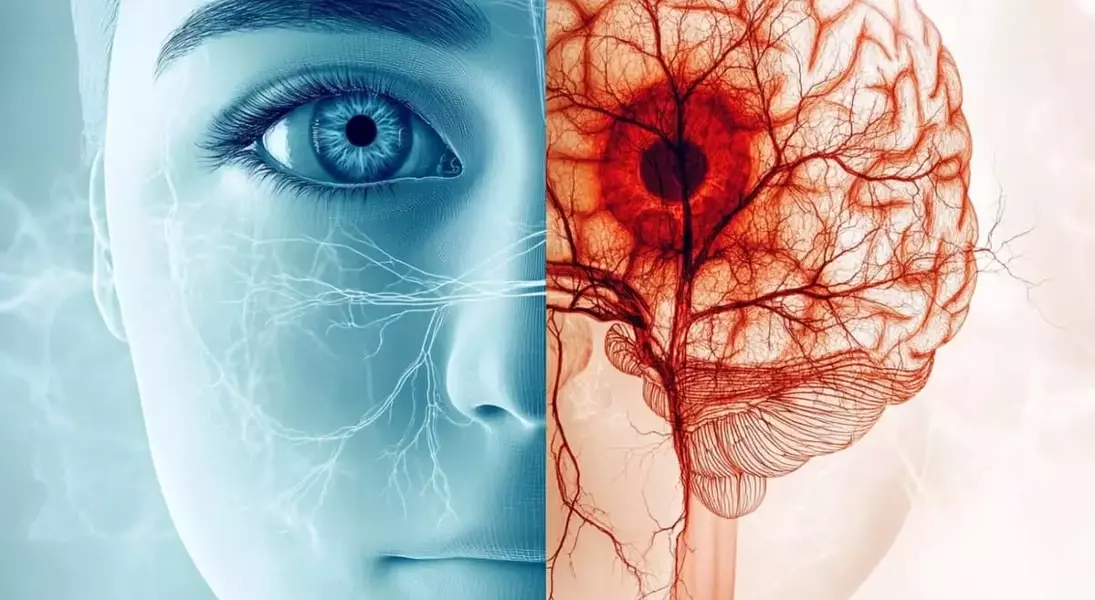
Recent scientific advancements have unveiled potential connections between eye health and the onset of dementia. Investigators from the University of Otago have discovered that variations in the retina's blood vessels could serve as an early indicator for dementia risk. By examining retinal structures, researchers hope to develop a non-invasive method for identifying individuals at risk before symptoms emerge. The study highlights how retinal changes might mirror alterations occurring within the brain.
Exploring deeper into the findings, experts observed specific patterns in retinal microvasculature that correlate with increased dementia susceptibility. These include thinner nerve fiber layers and altered dimensions of small blood vessels. Dr. Ashleigh Barrett-Young, a key researcher involved, noted the unexpected significance of venule measurements in reflecting multiple Alzheimer’s disease domains. This discovery suggests a promising avenue for future diagnostic tools. Although current methods lack sufficient sensitivity, ongoing global collaborations aim to refine these techniques through advanced technologies such as artificial intelligence.
The ultimate goal is to integrate AI-based analysis into routine eye examinations, potentially revolutionizing early detection efforts. While acknowledging the preliminary nature of these findings, researchers emphasize the importance of further investigation before practical applications can be realized. Early identification holds immense potential for timely intervention, improving outcomes for those at risk. By harnessing the accessibility and cost-effectiveness of retinal imaging, we move closer to a future where proactive measures can mitigate the impact of dementia on individuals and society alike.
