The revived Honda Prelude, while carrying a significant legacy, presents a perplexing contradiction for automotive enthusiasts. This article delves into the reasons behind the hybrid coupe's inability to rev its engine while stationary, a deliberate software limitation implemented by Honda. It explores how this choice reflects the brand's evolving priorities towards efficiency and environmental responsibility, even at the cost of traditional sports car appeal.
Unveiling Honda's Vision: The New Prelude's Restrained Spirit
The Modern Prelude: A Revival Cloaked in Ambiguity
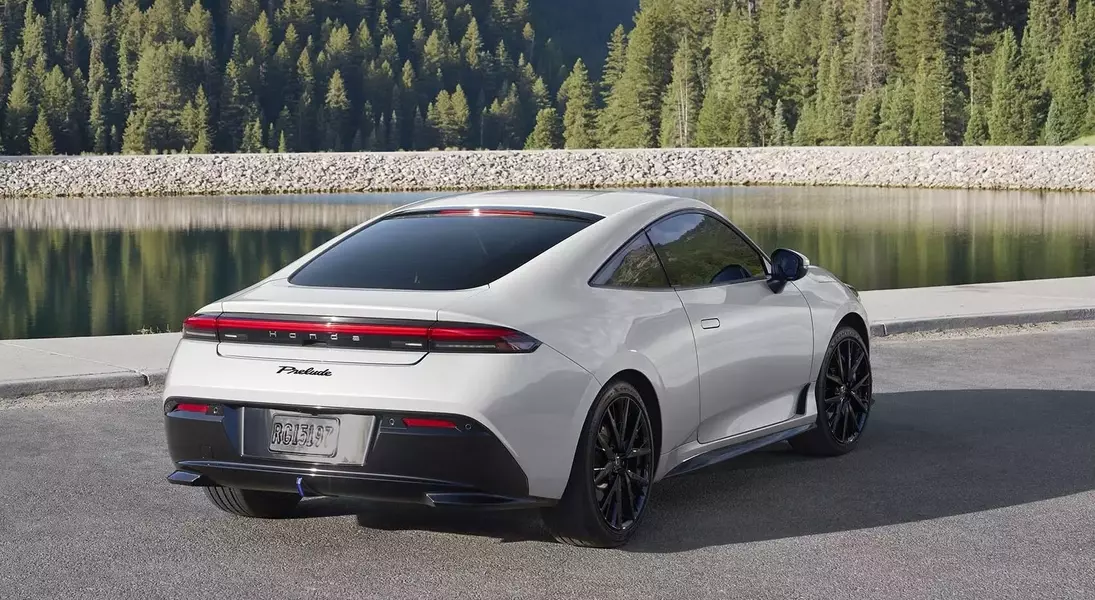
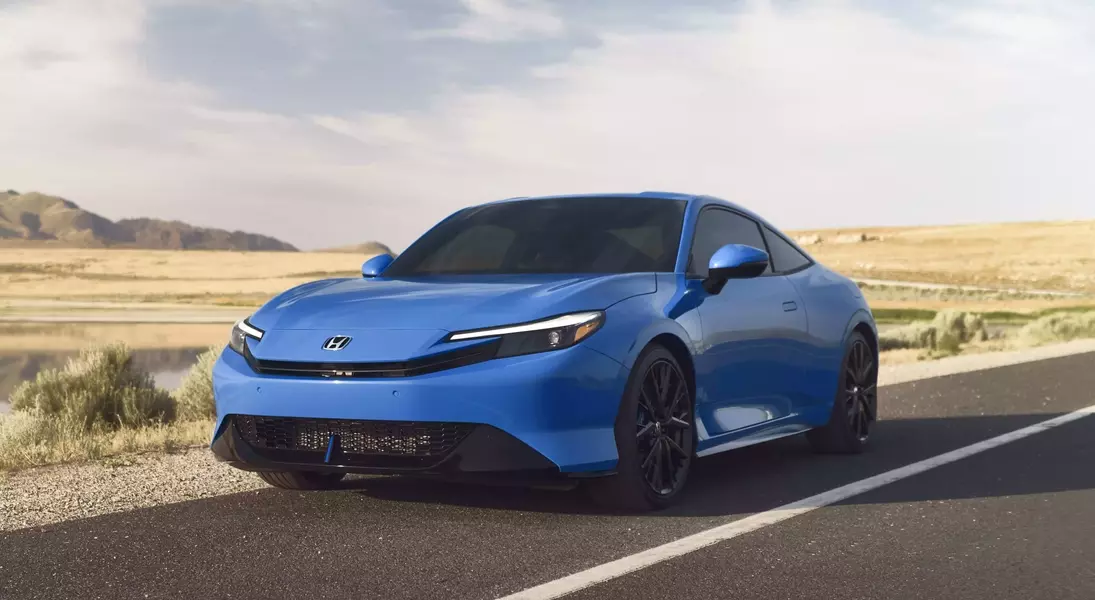
The return of the Honda Prelude nameplate ignites both excitement and confusion among car aficionados. Initial details, such as its 200-horsepower hybrid powertrain and the innovative S+ Shift system, already set a different tone from its predecessors. A particularly curious aspect emerged when it was discovered that the new Prelude's engine remains unresponsive when the accelerator pedal is pressed while the car is parked, lacking even a simulated engine roar. This peculiar characteristic prompted inquiries to Honda, whose explanation sheds light on the vehicle's true design philosophy.
Software's Dominance: Engineering for Efficiency Over Emotion
The latest Prelude shares its hybrid architecture with the Civic Hybrid, yet it operates distinctly from conventional internal combustion engines. At lower velocities, the 2.0-liter engine primarily functions as a power generator for the electric motor, rather than directly propelling the wheels. The absence of a traditional gearbox means that intricate software controls govern nearly every aspect of the driving experience. Honda has explicitly confirmed that the stationary revving restriction is a purposeful software directive across its hybrid range, aligning with the company's dedication to producing "clean, fuel-efficient hybrid models." This strategic decision reveals Honda's commitment to ecological performance, even if it means simulating engine sounds while in motion but prohibiting the engine from freely revving when static, thereby also precluding the use of aftermarket exhausts.
A Sporty Coupe Redefined: Appealing Beyond the Traditional Enthusiast
While many performance enthusiasts might find the Prelude's inability to rev a substantial drawback, Honda appears to be targeting a different demographic. In markets like Japan, the Prelude's appeal reportedly lies with an older clientele who value comfort, fuel economy, and ease of ownership above raw driving engagement. This market orientation is also reflected in its pricing, which positions it above many mainstream performance compacts, despite offering a performance profile that is more 'warm' than 'hot.' Despite its visually appealing design and the inclusion of Type R-derived suspension components, the powertrain's character leans more towards practicality than spirited driving. Initial reports of a leisurely 9.2-second 0 to 60 mph acceleration time have since been revised to a more respectable 7.2 seconds when bypassing the S+ Shift system's constraints, reinforcing the theme of inherent limitations within the new Prelude's design.
Hope on the Horizon: The Potential for Future Performance Variants
Currently, the Prelude seems to be grappling with an identity crisis, presenting a sporty exterior and a storied name while delivering a surprisingly subdued driving experience. The inability to rev the engine while parked has become emblematic of this inherent restraint. However, the future may hold more for the Prelude, as Honda has hinted at the possibility of introducing more performance-oriented versions. Rumors of a 315-horsepower Prelude Type R suggest that electrification could transform the car's dynamic entirely. Until such variants emerge, the current Prelude is poised to cater to drivers who appreciate a stylish and efficient coupe, prioritizing refinement and responsible motoring over unbridled excitement, which may leave traditional enthusiasts yearning for more.
