In the dynamic world of automotive manufacturing, vehicle reliability stands as a paramount consideration for discerning buyers. A fresh analysis from Consumer Reports, spanning a vast dataset of nearly 400,000 vehicles, has cast a revealing light on the industry's most dependable brands for 2026. This extensive study, drawing on consumer feedback and manufacturer insights, reaffirms the enduring quality of Japanese automotive engineering, with Lexus, Subaru, and Toyota consistently securing the top positions. Conversely, the burgeoning electric vehicle (EV) sector continues to grapple with various reliability issues, particularly in electronics and charging systems. The findings advocate for a cautious approach when investing in entirely new or recently overhauled models, as their initial market phases frequently expose unforeseen challenges.
Dissecting Automotive Dependability: The 2026 Reliability Report
The annual reliability survey conducted by Consumer Reports, an esteemed independent organization, has once again crowned Japanese marques, Lexus, Subaru, and Toyota, as leaders in long-term dependability. This comprehensive evaluation encompassed approximately 380,000 vehicles, ranging from models produced in 2000 to the latest 2026 releases. Each vehicle underwent scrutiny across up to 20 potential problem areas, from minor interior trim issues to critical powertrain components, including engines, transmissions, and suspension systems. For electrified vehicles, battery longevity and charging infrastructure performance were also key assessment criteria.
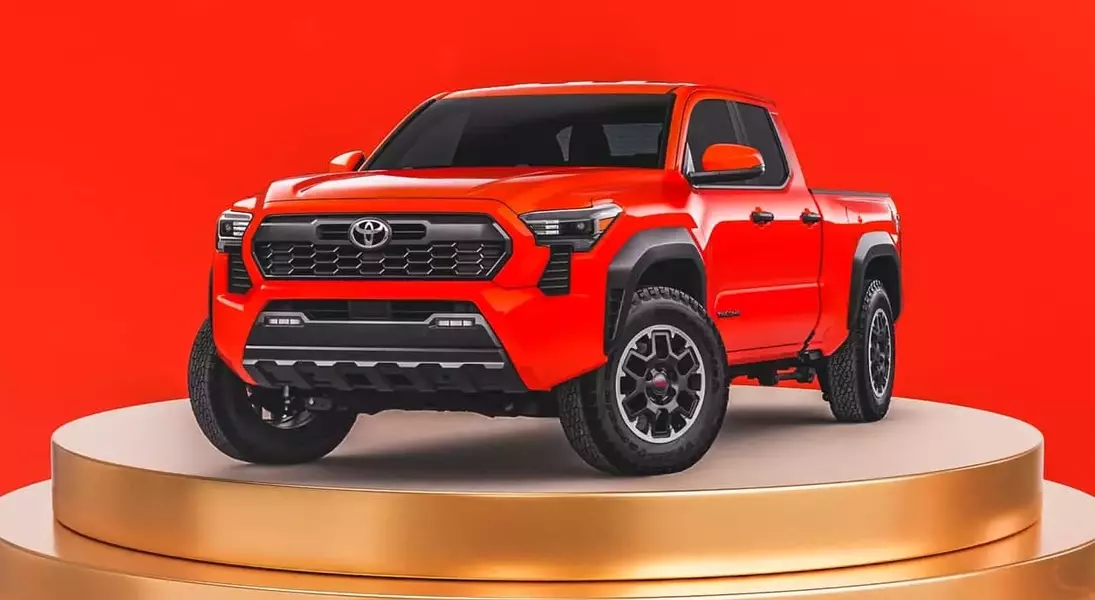
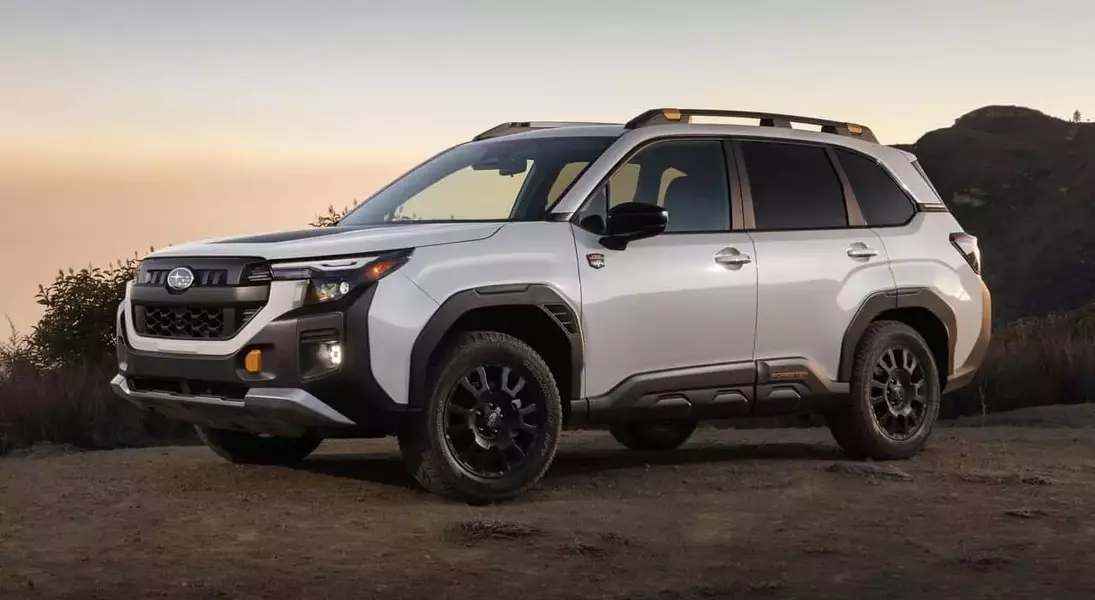
A notable trend identified in the report is the consistent strength of brands that adopt a measured, iterative approach to vehicle design and manufacturing. Toyota, for instance, strategically places six models among the top ten most reliable vehicles, reclaiming the overall brand leadership. Subaru maintains a strong second place, bolstered by the robust performance of its Impreza and Crosstrek models. Lexus solidifies its position in the luxury segment, demonstrating exceptional overall reliability with all its models consistently performing above average. This success is attributed to their reliance on proven platforms, thoroughly tested components, and incremental updates, which collectively minimize the incidence of structural and mechanical failures.
In stark contrast, Mazda experienced a significant decline, dropping eight places, largely due to reliability concerns in its new-generation CX-70 and CX-90, particularly their plug-in hybrid variants. Issues related to engines, transmissions, and electrical systems in these more technically ambitious models highlight the risks associated with novel designs. This reinforces the broader conclusion that newly introduced or extensively redesigned vehicles often face a higher likelihood of problems during their initial years on the market, a pattern also observed in several recent SUV and pickup truck launches.
Regarding powertrain reliability, traditional hybrids (those not requiring plug-in charging) have emerged as highly dependable choices. These vehicles frequently match or even surpass the reliability of their conventional gasoline-powered counterparts, while also offering enhanced fuel efficiency and a smoother driving experience. Standout models include the Ford F-150 Hybrid, Kia Carnival Hybrid, and Toyota Grand Highlander Hybrid, alongside segment leaders like the Honda CR-V Hybrid, Lexus NX Hybrid, and Subaru Forester Hybrid. A remarkable observation is that very few of the approximately thirty hybrid models examined fell below the average reliability threshold.
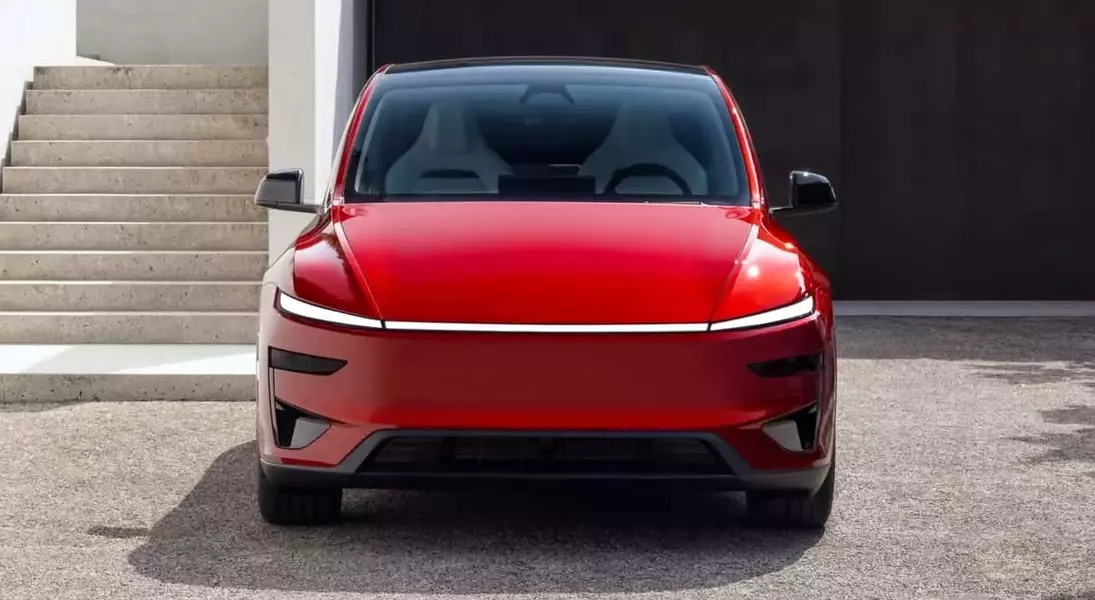
However, the narrative shifts for fully electric vehicles and plug-in hybrids. These categories exhibit more erratic reliability, with over half of the poorest-performing models belonging to them. Electronic glitches and charging system malfunctions are frequently cited issues. Despite these broader challenges, Tesla demonstrates significant progress, ascending eight ranks to secure ninth place overall. The Tesla Model 3 and Model Y are highlighted as the most reliable EVs in the survey, while the Model S and Model X achieve average reliability. Although the Cybertruck remains below average, recent data indicates a substantial reduction in reported bodywork, paint, and electrical accessory defects across Tesla’s lineup, signaling tangible improvements in manufacturing quality.
The 2026 Vehicle Reliability Rankings (Top 10)
| Brand | Reliability Score |
| 1. Toyota | 66 |
| 2. Subaru | 63 |
| 3. Lexus | 60 |
| 4. Honda | 59 |
| 5. BMW | 58 |
| 6. Nissan | 57 |
| 7. Acura | 54 |
| 8. Buick | 51 |
| 9. Tesla | 50 |
| 10. Kia | 49 |
This comprehensive report offers invaluable insights for consumers navigating the complex automotive market. It underscores the continued dominance of established brands in reliability, while also recognizing the evolving landscape of electric vehicle technology and its associated challenges and advancements. For anyone considering a new vehicle purchase, prioritizing brands with a proven track record of dependability, especially those leveraging well-tested designs, appears to be a sound strategy.
