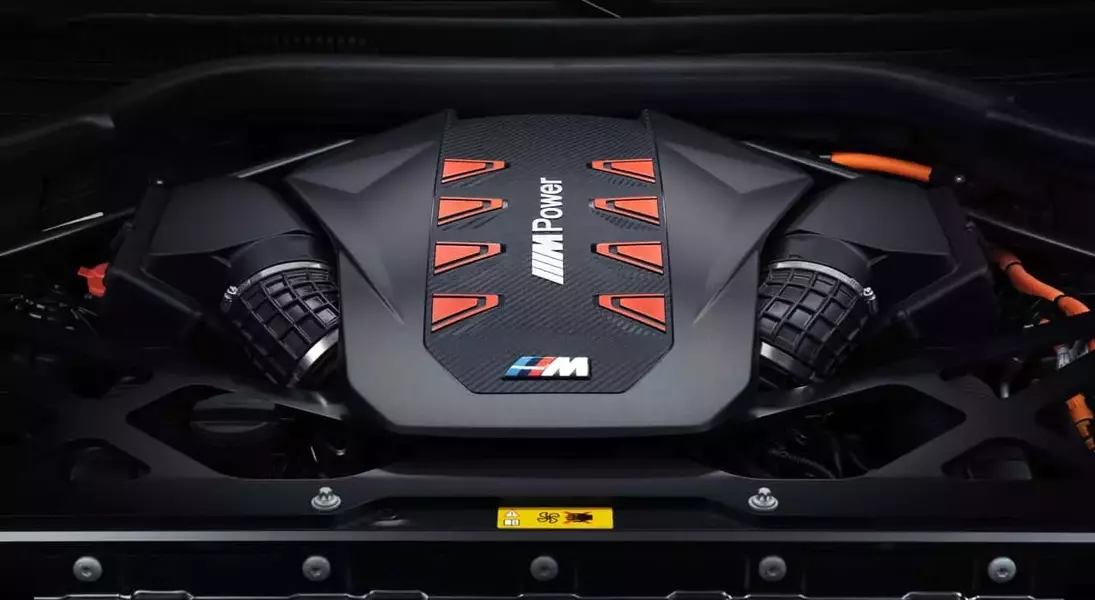
The European Union's recent decision to amend its 2035 combustion engine ban marks a pivotal moment in automotive policy, reflecting a nuanced approach to environmental goals and technological realities. This shift moves away from a complete prohibition, instead focusing on significant emissions reductions, providing a lifeline for hybrid vehicles and alternative fuels, and acknowledging the complexities of the industry's transition.
A Pivotal Shift: EU's Evolving Automotive Emissions Policy
Initial Ambitions and Their Underlying Motivation
Initially, the European Union put forth a bold proposal: a complete cessation of new internal combustion engine vehicle sales by 2035. This comprehensive ban was conceived to drastically curb carbon dioxide emissions, targeting a 100% reduction from 2021 levels, thereby pushing the automotive sector towards an entirely electric future.
The Unforeseen Challenges and Industry's Response
However, as the deadline loomed, the automotive landscape began to shift. A decrease in the rapid adoption of electric vehicles, coupled with substantial reinvestments by manufacturers into combustion engine technologies, highlighted the practical difficulties of the initial plan. Major automotive players, notably from Germany and Italy, voiced concerns over the feasibility of meeting such stringent targets, advocating for a more adaptable framework.
Revised Directives: A New Path Forward
In response to these emerging realities and industry feedback, the EU has formally adjusted its regulations. The updated objective now aims for a 90% reduction in CO2 emissions from new vehicles, measured against 2021 benchmarks. This significant revision reintroduces flexibility, permitting the continued sale of hybrid, plug-in hybrid, and range-extended electric vehicles beyond 2035.
Emissions Offsets and Future Technological Considerations
To address the remaining 10% of emissions, the new policy encourages innovative solutions. This includes the use of sustainable materials in vehicle manufacturing, such as lower-carbon steel, and the adoption of synthetic e-fuels and biofuels. These provisions underscore a commitment to environmental stewardship while fostering a broader spectrum of technological development.
Near-Term Emissions Targets: A Stepped Approach
Ahead of the 2035 milestone, interim targets have been established to guide automakers. Between 2030 and 2032, car manufacturers are mandated to achieve a 55% reduction in CO2 emissions relative to 2021 figures. For vans, the required reduction stands at 40%, demonstrating a phased approach to achieving the overarching environmental objectives.
