



Cultivating a self-sufficient agricultural system is crucial for long-term ecological balance and farm viability. By embracing the principles of nutrient cycling, farmers can transition from resource-intensive practices to more passive, yet highly productive, endeavors. This comprehensive approach, rooted in centuries-old regenerative methods, focuses on mimicking nature's inherent cycles of consumption, excretion, and decay within the farm's boundaries. The following discourse will explore how these natural mechanisms can be optimized to improve soil quality and crop yields, ultimately fostering a resilient and abundant farm landscape.
The concept of nutrient cycling, though often associated with livestock systems due to their visible contribution to soil fertilization, extends far beyond, encompassing all wild and cultivated environments. It represents the continuous movement of essential elements throughout an ecosystem. At its core, it's about transforming organic matter into plant-available nutrients through various biological processes. Whether on a vast ranchland or a small home garden, understanding and actively promoting these cycles is fundamental to cultivating healthy, productive land.
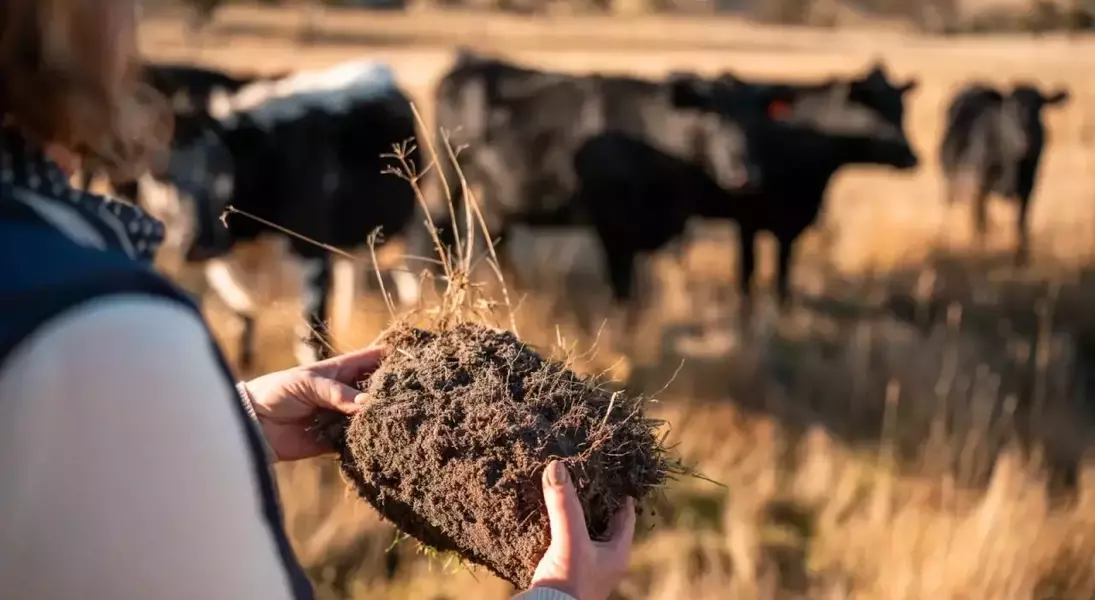
Beneath the surface, the soil teems with microscopic life forms crucial for nutrient exchange. Within mere inches of plant roots lies the rhizosphere, a vibrant hub where an astonishing number of bacteria, fungi, archaea, and other microorganisms tirelessly convert organic materials into forms that plants can absorb. This subterranean network forms the bedrock of agricultural health, breaking down complex substances and making vital nutrients accessible. Simultaneously, above ground, plants draw water and atmospheric elements, converting them into biomass. As plants grow, they release compounds back into the soil and atmosphere, completing a continuous loop. Animals, through their waste, also play a significant role in returning nutrients to the earth, making their contribution to this intricate cycle readily apparent. Larger organisms like earthworms and beetles further contribute by aerating the soil and enriching it with their excretions, enhancing overall soil structure and fertility.
Implementing nutrient cycling on a farm isn't overly complicated; it involves adopting established regenerative techniques that foster a natural, self-regulating system. Once these practices are integrated, they reduce the need for constant intervention, allowing farmers to direct their focus to other critical aspects of farm management.
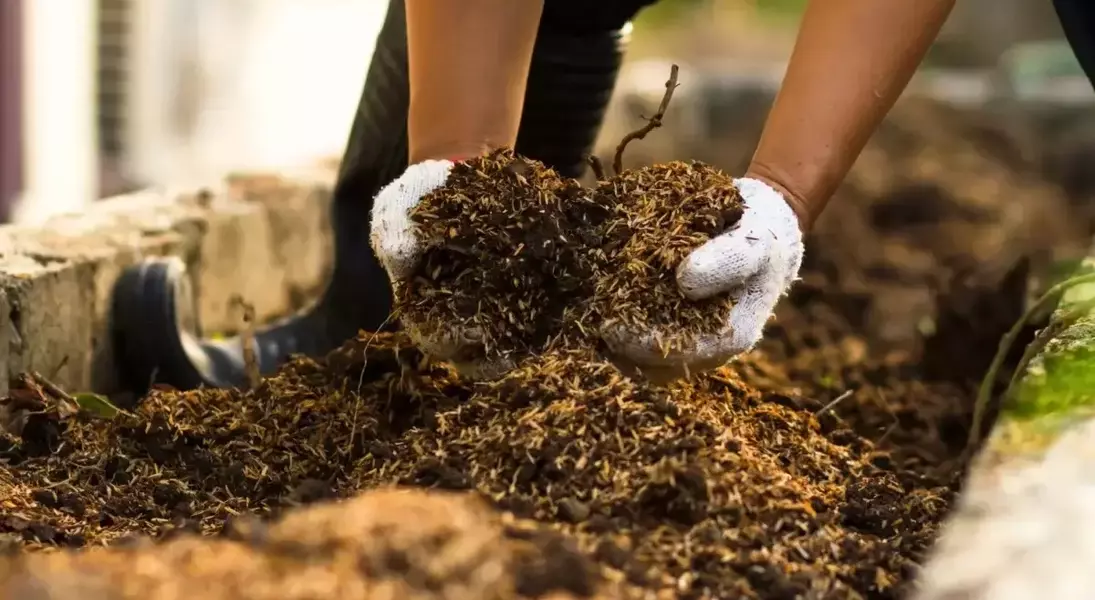
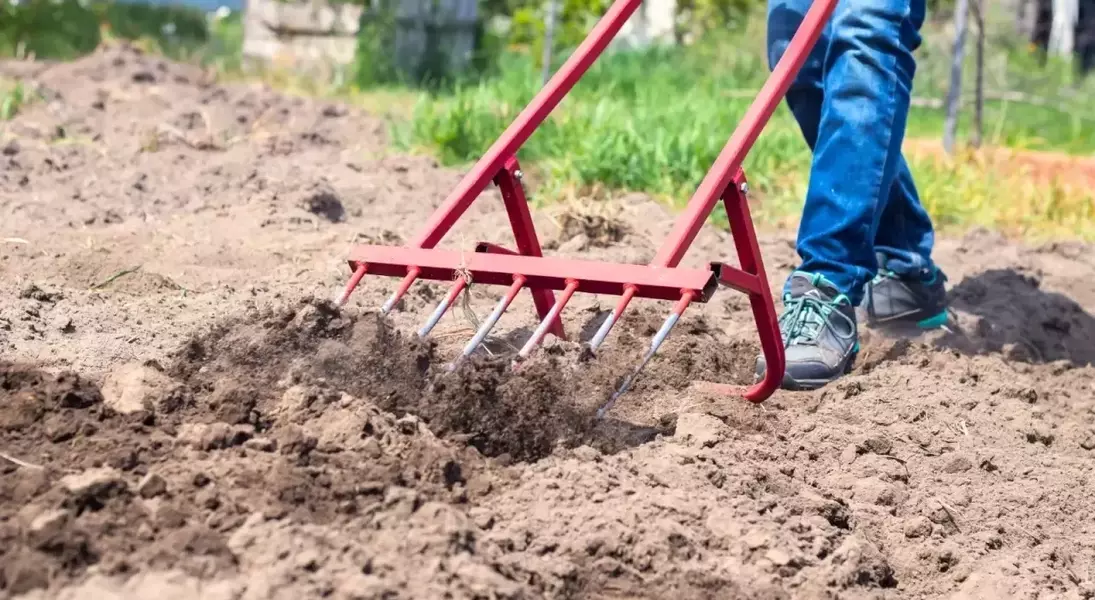
A primary strategy for maintaining soil vitality is minimizing disturbance. Reducing the frequency of tilling helps preserve the delicate topsoil layers and protects the subterranean microbial communities essential for nutrient retention. Instead of aggressive plowing, farmers can enrich the soil surface by applying well-aged compost or manure, followed by a generous layer of mulch. This method not only nourishes the soil but also minimizes disruption to its intricate structure. Techniques such as using no-till planting tools, which create only shallow furrows for seeds, or gently aerating the earth with a broadfork between seasons, offer less invasive alternatives. For larger agricultural plots, specialized equipment like rotary power harrows or slicer planters can achieve minimal soil disruption. By prioritizing the soil's well-being, these practices prevent erosion, gradually enhance soil richness, and ensure that crucial resources like water and nitrogen remain within the farm's ecosystem.
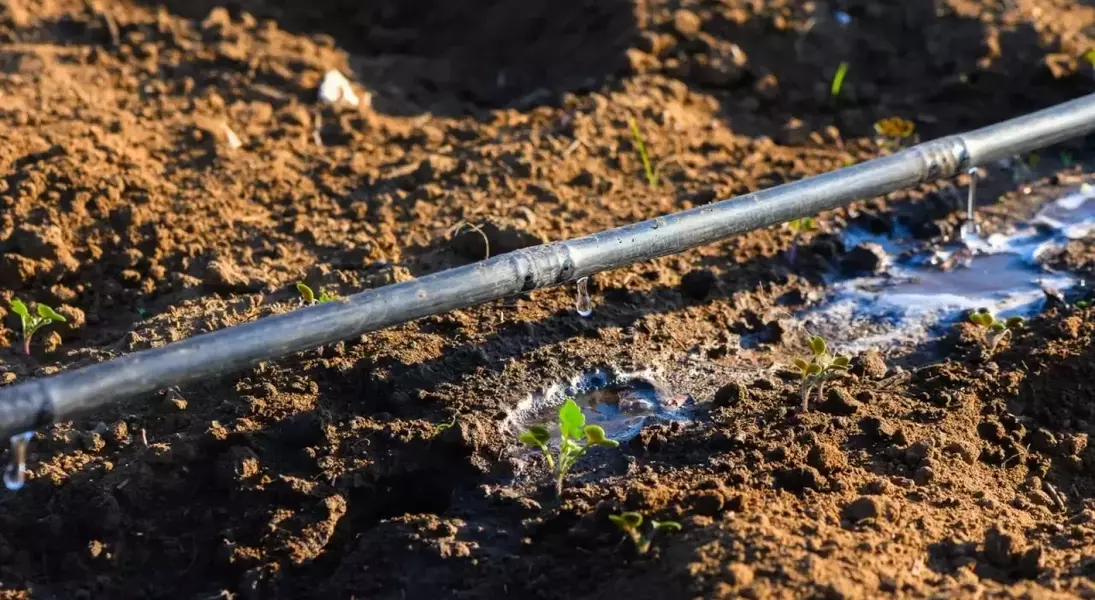
Another shift in approach involves prioritizing the nourishment of the soil itself, rather than solely focusing on direct plant fertilization. Traditional farming often relies on synthetic inputs to boost crop growth, which can lead to environmental issues like eutrophication due to nutrient runoff. A more sustainable method begins with a comprehensive soil analysis to identify fundamental nutrient deficiencies. Subsequent nutrient additions can then be tailored to foster overall soil health. During off-seasons, planting cover crops is an excellent way to replenish soil nutrients. These crops can be chopped and left on the soil surface before flowering, where their decomposition mulches the ground, preserves soil structure, and protects water quality by absorbing excess surface water.
Integrating native plant species is also highly beneficial for maintaining a closed-loop nutrient system. Planting wildflower strips between crop rows or along field borders enhances biodiversity and supports the local ecology. Native forage plants, in particular, provide superior nutrition for livestock compared to non-native varieties and contribute to the nutrient cycle when consumed and digested. Furthermore, native plants attract local wildlife, which offers various ecological services, including pest control and natural soil maintenance. Having evolved alongside native soil organisms for millennia, these plants efficiently interact with the soil microbiome, promoting greater fertility within the agricultural landscape.
Emulating natural forest cycles by "leaving the leaves" is another effective practice. In deciduous woodlands, fallen leaves insulate the forest floor and, through the action of detritivores, decompose into nutrient-rich matter that nourishes trees and plants. This process also provides crucial habitat for overwintering insects and amphibians. Farmers can replicate this by allowing leaves to accumulate in forested areas of their land, which helps retain carbon and nitrogen within the farm's system. Alternatively, fallen leaves can be added to compost piles or shredded and used as winter mulch for garden beds. Leaf mold, derived from decomposed leaves, is an exceptional resource for seed starting mixes, providing a superior structure and nutrient boost. This can be made by simply filling raised beds or contractor bags with leaves and allowing them to decompose over winter, then incorporating the crumbled material into seed starting mixtures.
For livestock producers, rotational grazing is a cornerstone practice for nutrient conservation. By dividing pastures into sections and rotating livestock through them, the land is given sufficient time to recover from grazing, allowing vegetation to regrow and nutrients to be reintegrated into the soil. This practice ensures healthier plants and animals, and ultimately, a more productive operation. During periods of rapid growth, pastures should rest for 20 to 30 days before re-grazing, while slower growth seasons may require up to 40 days of rest. Local agricultural extension services can provide tailored advice on implementing rotational systems and selecting appropriate forage plants, with some farms even qualifying for financial assistance.
Adopting these five practices — reducing tillage, feeding the soil, planting native species, utilizing organic matter like leaves, and implementing rotational grazing — forms a synergistic approach to farm management. Each method contributes to a more resilient, productive, and environmentally sound agricultural system, embodying the essence of a closed-loop farm where every component contributes to the health and vitality of the whole.
