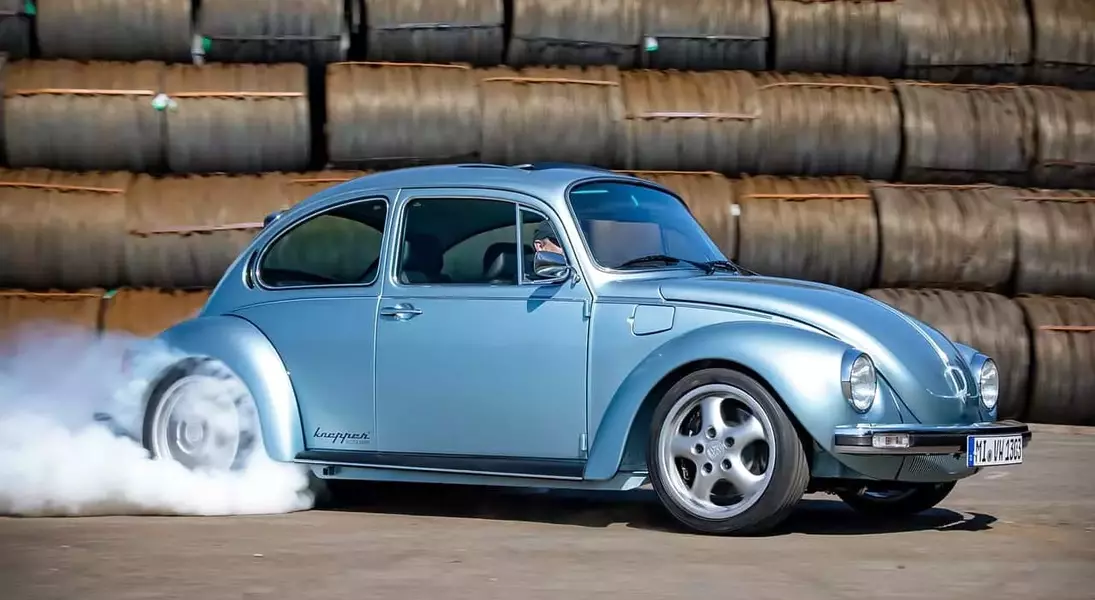
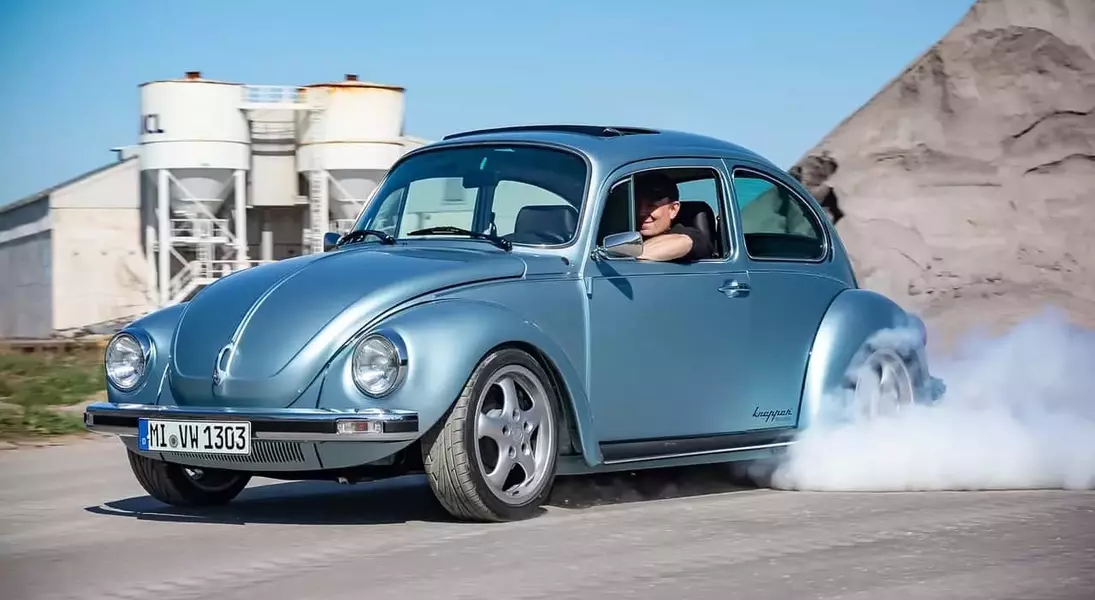
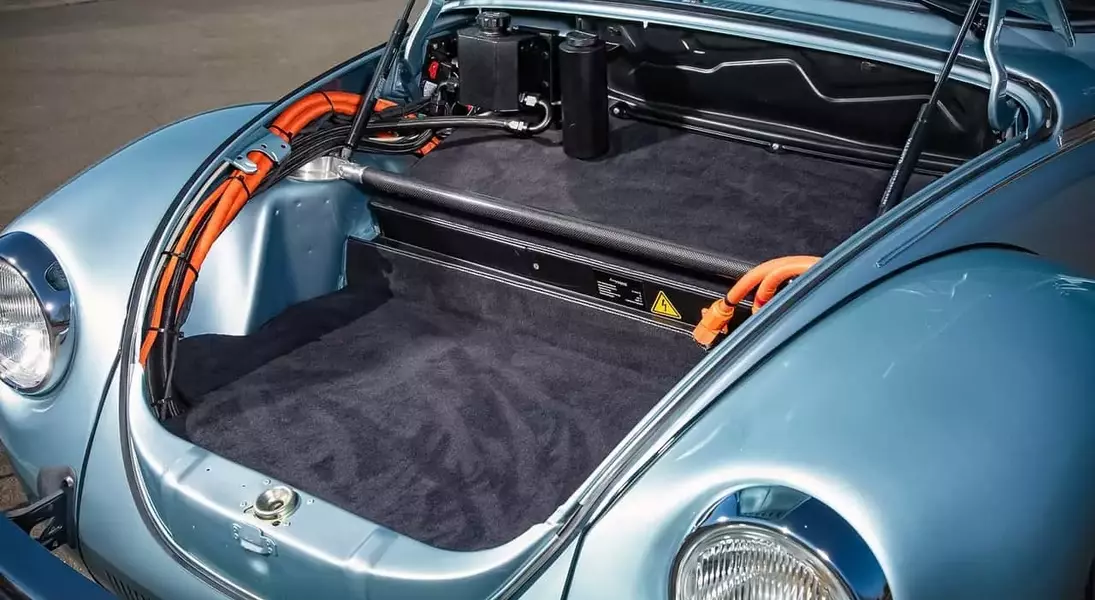
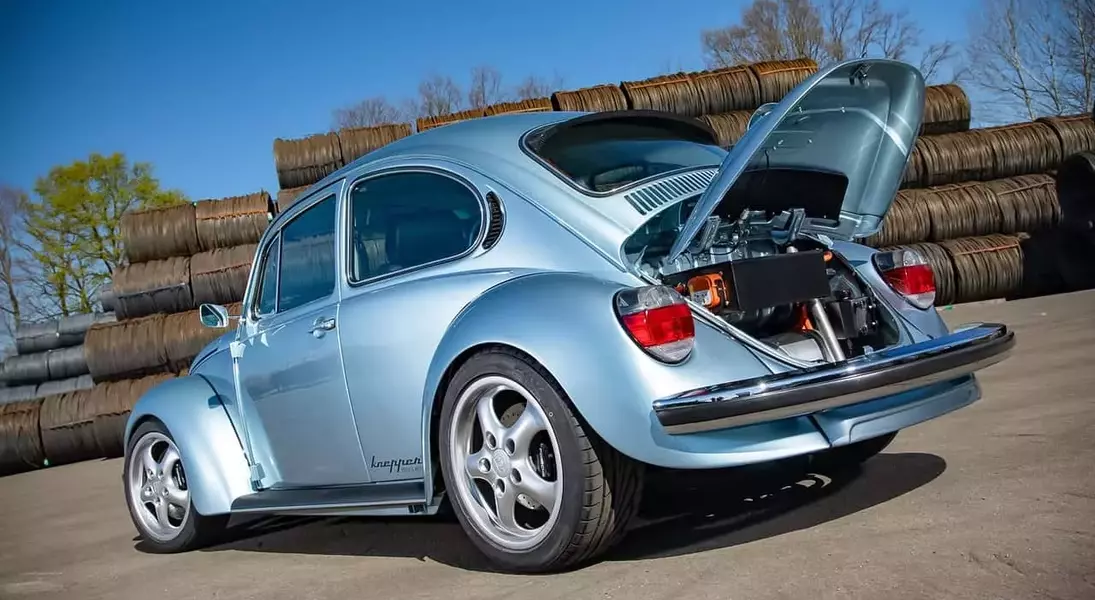
A seemingly ordinary Marathon Blue Volkswagen Beetle 1303 has been meticulously re-engineered by Knepper Bugs & More, transforming it into a formidable electric powerhouse. This vehicle, officially christened the 1303 RS-E, seamlessly merges the iconic aesthetics of a classic car with cutting-edge electric drivetrain technology. Capable of unleashing an astounding 601 horsepower and 518 pound-feet of torque, its subtle exterior belies the beast within. While it can produce intense tire smoke on the track, its road-legal power is capped at 200 hp, ensuring controlled yet thrilling acceleration. This project exemplifies how an automotive legend can be revitalized for the modern era, offering impressive performance and surprising practicality, as proven by an extensive long-distance journey.
Details of the Electrified Volkswagen Beetle Project
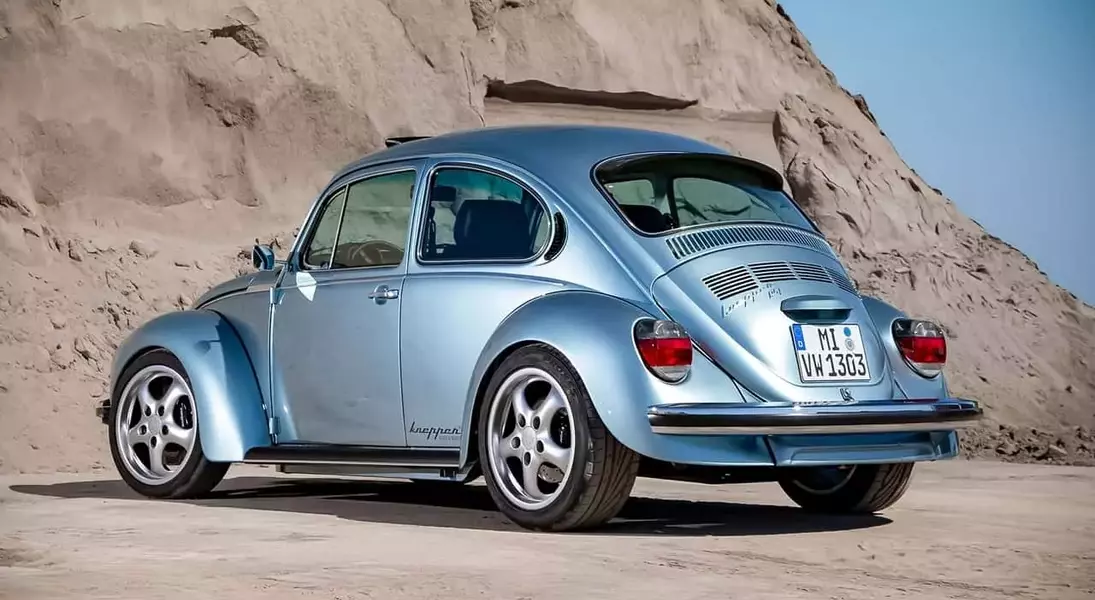
The journey of this remarkable 1975 Volkswagen Beetle 1303 began its transformation after being discovered in a California junkyard by Rüdiger Knepper and his son René. Despite significant body damage, the car's robust structural integrity made it an ideal candidate for their ambitious RS-E project. The extensive restoration process involved replacing or refurbishing almost every component. The bodywork was meticulously restored to near-original specifications and given a striking Marathon Blue finish, complemented by subtle yet functional enhancements such as wider carbon fiber rear fenders and a carbon fiber roof spoiler designed to improve high-speed stability.
Underneath its classic shell, the vehicle received a complete overhaul of its chassis and powertrain. The suspension system largely incorporates parts from a Porsche 944, integrated with high-performance components from KW, Bilstein, and Kerscher. Braking capabilities are significantly upgraded with a system derived from the Porsche 944 Turbo S, featuring Porsche 964 discs at the front. The car rides on Toyo Proxes TR-1 tires, with 195/45R17 at the front and wider 235/45R17 at the rear, all mounted on stylish Porsche Cup 2 wheels.
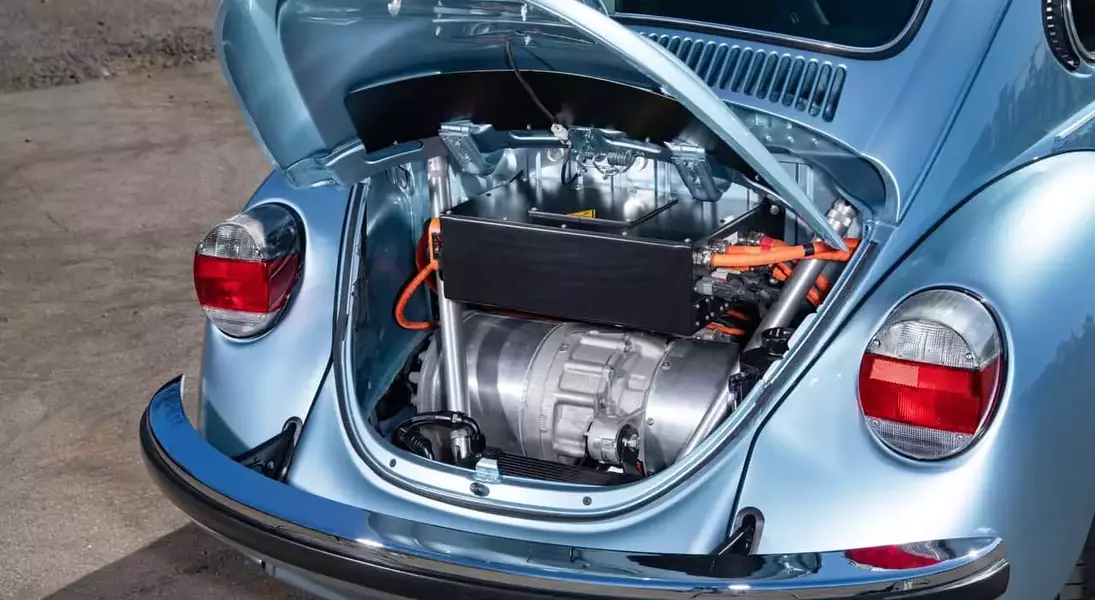
The heart of this electric Beetle is its advanced propulsion system. It is powered by 17 battery modules sourced from a Porsche Taycan, which supply energy to a Tesla Model S Performance rear-axle motor. This motor, adapted for precise voltage, transmits power directly to the wheels via robust Porsche 930 drive shafts, eliminating the need for a traditional gearbox. This innovative setup allows the RS-E to achieve an impressive 0 to 62 miles per hour (0 to 100 kilometers per hour) sprint in a mere 2.9 seconds under optimal conditions. Its driving range spans between 62 and 155 miles (100 and 250 kilometers), depending on driving style, and it supports both CCS and standard AC charging through an adapter. Rüdiger Knepper personally managed the hardware installation, while Alexander Lührmann and his team at ESDI EV Technologies in Herford meticulously developed the electronic control systems.
The interior of the Beetle largely retains its vintage charm, though modernized for the electric powertrain. The original clutch and gear lever have been replaced by a digital control panel, providing intuitive management of the electric drivetrain. Comfort and support are enhanced by Recaro seats repurposed from a BMW 2002, and an electric heating unit discreetly located under the rear bench ensures warmth.
The car's reliability and practicality were thoroughly tested in May during a four-week, nearly 5,000-mile (8,000-kilometer) road trip across Belgium, France, Spain, Portugal, and Luxembourg. A notable part of this adventure included a ferry crossing from Seville to Tangier, Morocco. The electric Beetle completed this extensive journey without a single technical issue, demonstrating its robust engineering and everyday usability.
This innovative project showcases the potential of combining classic automotive heritage with future-forward electric technology, creating a vehicle that is both a tribute to the past and a beacon for sustainable performance. The success of the Knepper 1303 RS-E is not just in its impressive specifications, but in its ability to inspire and challenge conventional perceptions of classic car restoration and modification.
