In an amusing and thought-provoking experiment, a recent report highlighted the amusing shortcomings of Samsung's new Antioxidant Index feature on the Galaxy Watch 8. This innovative, yet apparently flawed, tool aims to assess an individual's carotenoid levels, which are indicative of fruit and vegetable consumption. However, the unexpected high score achieved by a popular cheesy cracker underscores a crucial point: the metrics provided by wearable health technology should be approached with a healthy dose of skepticism rather than blind faith.
The Samsung Galaxy Watch 8 introduces an experimental feature designed to gauge a user's antioxidant intake. This function utilizes blue, yellow, and infrared LEDs to detect carotenoid levels in the skin. Carotenoids are pigments responsible for the vibrant yellow, orange, and red hues in many fruits and vegetables, serving as a marker for antioxidant consumption. Users are instructed to place their thumb on the sensor for approximately ten seconds, after which the watch provides an estimate of whether they are meeting the recommended daily intake of 400g of fruits and vegetables.
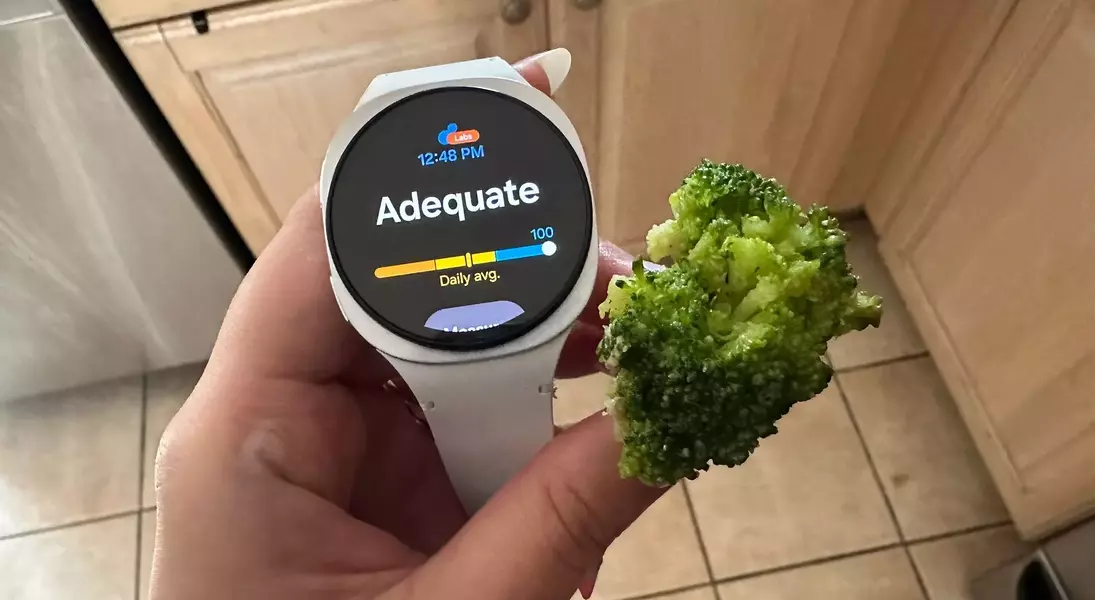
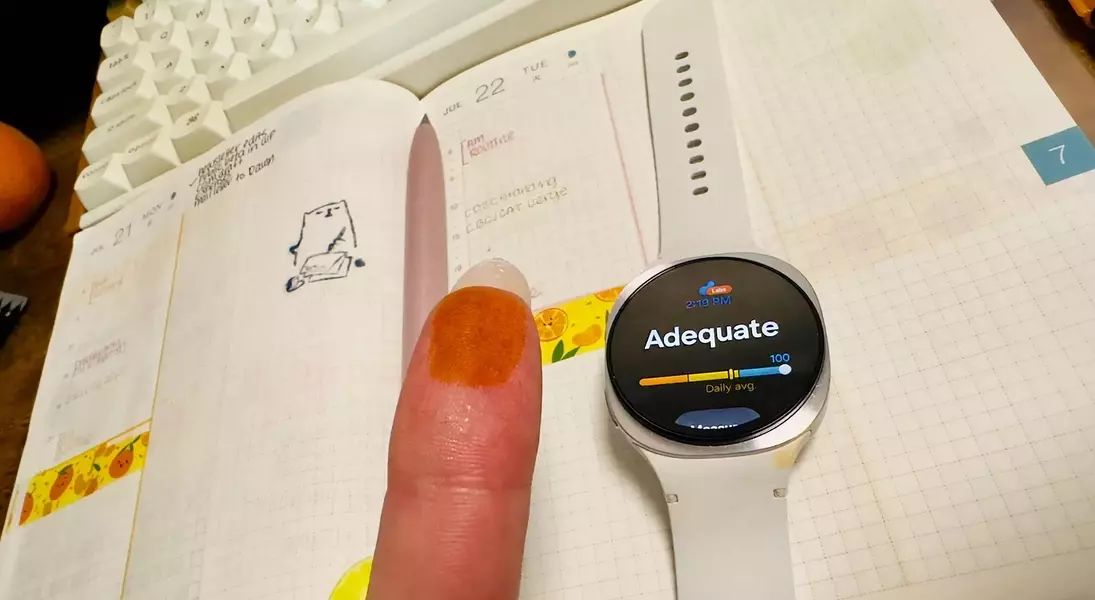
The author's personal experience with this feature was initially disheartening. Despite a diet rich in fruits and vegetables, including a vegetarian meal the previous day, the watch consistently reported "very low" antioxidant scores. This prompted a series of tests on various brightly colored foods. Tangerine peels, peach slices, and tangerine sections all yielded a perfect score of 100, aligning with expectations. Curiously, a blackberry, known for its high carotenoid content, registered a dismal 37, possibly due to a messy incident with the sensor. This initially led to a hypothesis that the watch might be biased towards specific colors, a notion seemingly supported when a yellow-orange marker applied to the thumb resulted in a perfect 100, while a blue marker led to a score of zero. However, this theory was challenged when a piece of roasted broccoli, also rich in carotenoids, surprisingly scored a perfect 100.
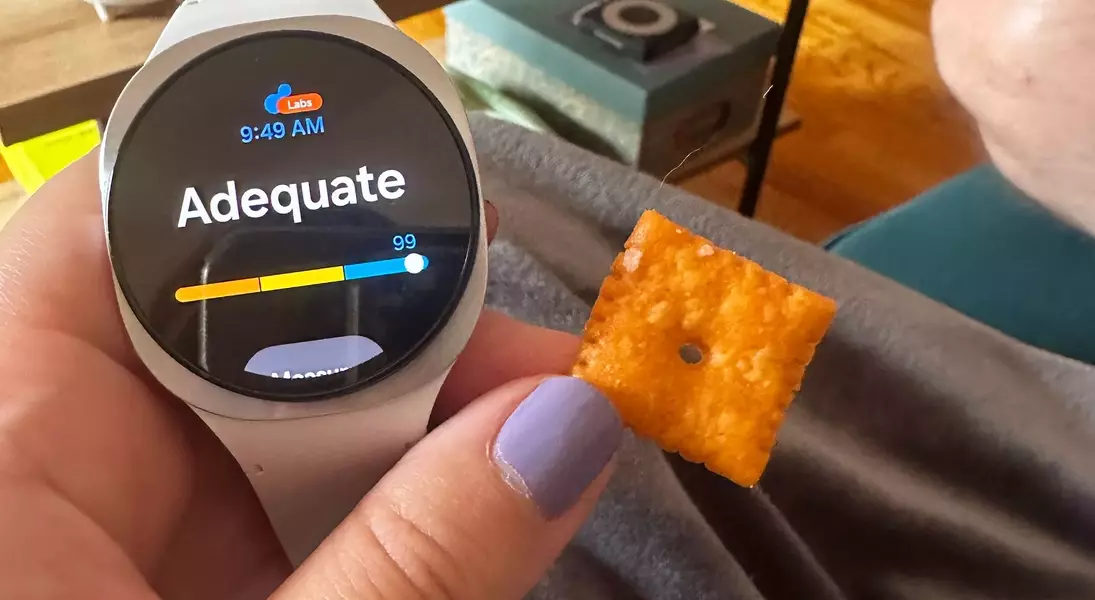
The most surprising outcome of the experiment came from a Cheez-It cracker. This distinctly orange, cheesy snack, not typically associated with health benefits, achieved a near-perfect score of 99. A quick investigation revealed that cheddar cheese, a primary ingredient in Cheez-Its, does indeed contain carotenoids, explaining its orange color. This revelation further blurred the lines between genuine health indicators and coincidental color detection by the device's sensor. The author's inquiry to Samsung regarding the sensor's precise methodology for detecting carotenoids, beyond mere pigmentation, remained unanswered, highlighting a lack of transparency or clarity in the feature's underlying mechanism.
This experience serves as a powerful reminder that while health metrics from smart devices can be engaging, they should not be taken as definitive gospel. Even with sophisticated scientific development behind their algorithms, these sensors are prone to errors and misinterpretations. Obsessing over arbitrary scores can be detrimental to one's well-being. The true value lies not in rigidly adhering to quantified data, but in embracing a balanced and varied diet. Ultimately, genuine health improvements are best monitored through professional medical advice, not necessarily by a device that can be "fooled" by a common snack. The takeaway is to enjoy nutritious foods, find pleasure in healthy habits, and perhaps, occasionally, appreciate the unexpected "antioxidant" boost from a Cheez-It.
