




The integration of data analysis into the world of professional football has been a profound, albeit challenging, transformation. What began as a contentious idea, often dismissed by traditionalists, has blossomed into an indispensable tool that reshapes how clubs identify talent, strategize matches, and even interact with their players. This journey from skepticism to widespread acceptance is a testament to the perseverance of early pioneers who, armed with complex algorithms and a deep understanding of the game, managed to prove the undeniable value of data. Their efforts have not only elevated the sport's strategic depth but have also fundamentally altered the conversation around football performance, bringing analytical rigor to a domain once dominated by intuition alone. As the sport continues to evolve, the symbiotic relationship between human insight and data-driven intelligence promises an even more sophisticated future for the beautiful game.
The Ascent of Data-Driven Football: Pioneers, Challenges, and Triumphs
In the vibrant landscape of modern football, a profound revolution has quietly taken hold, driven by the relentless pursuit of data-driven insights. This shift, which began to ripple through the sport in the mid-2000s, has reshaped everything from player acquisition to on-field tactics. At the forefront of this transformation were visionary individuals such as Ian Graham, a key figure in Liverpool's remarkable resurgence, Sam Green, a luminary behind the ubiquitous 'expected goals' (xG) metric, and Sarah Rudd, an early pioneer in Arsenal's internal analytics endeavors.
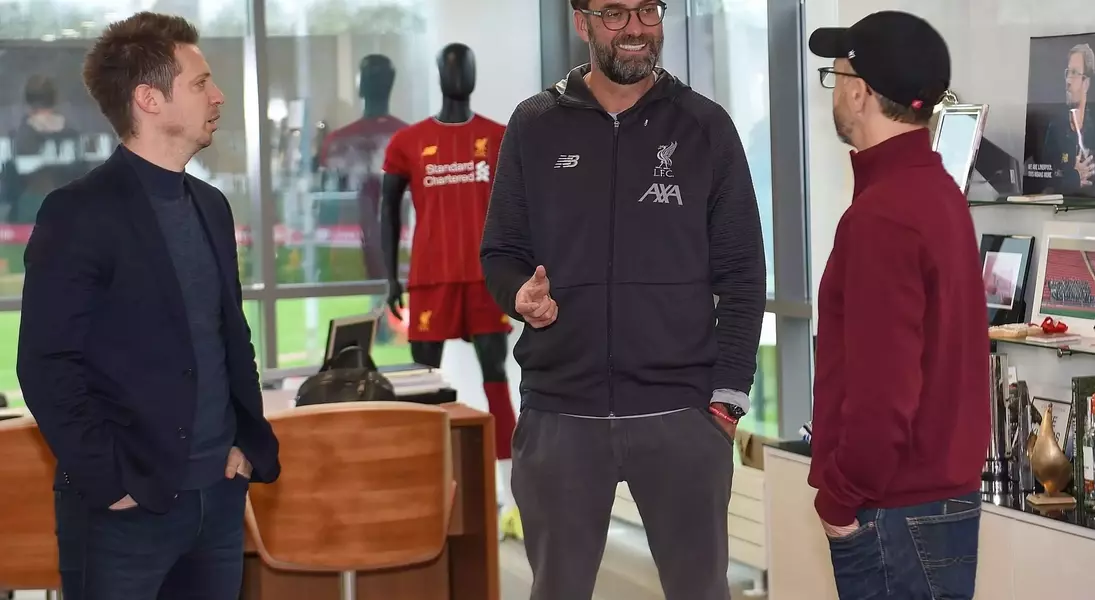
Their pioneering efforts were not without significant hurdles. Graham recounts an initial encounter with Michael Edwards, his superior at Tottenham Hotspur and later Liverpool's esteemed sporting director, which was fraught with profound skepticism. Edwards, drawing from his own experiences with early, often unhelpful, statistical reports at Portsmouth, was initially dismissive of data's utility in football. This resistance was a common thread for many early data scientists who had to meticulously demonstrate the tangible benefits of their work in a sport deeply rooted in tradition and subjective judgment.
A critical challenge lay in the very nature of football data itself. Unlike baseball, where every pitch provides a distinct, quantifiable event, football's fluid dynamics made comprehensive data collection and interpretation far more intricate. As Green highlighted, understanding the complex interplay of 22 players on the pitch presented a formidable analytical puzzle. Furthermore, the ambiguity surrounding fundamental actions, as articulated by Rudd, often led to inconsistencies in data collection, complicating the creation of robust analytical models. These pioneers also contended with the lingering shadow of figures like Charles Reep, whose statistically-derived, yet stylistically restrictive, tactical advice in the mid-20th century had inadvertently cast a long shadow over the credibility of football analytics.
Despite these formidable obstacles, the data movement gradually gained traction. Edwards, once a skeptic, became a staunch advocate for Graham's work at Liverpool, acknowledging its instrumental role in transforming the club into a dominant force in both domestic and European competitions. The success of clubs like Brentford, which leveraged data to strategically ascend through the English leagues, served as compelling evidence of its potential. Arsenal, under Rudd's analytical leadership, also witnessed a dramatic improvement in their transfer success rate, especially in complex areas like defensive evaluation, traditionally a "black hole" for data analysis.
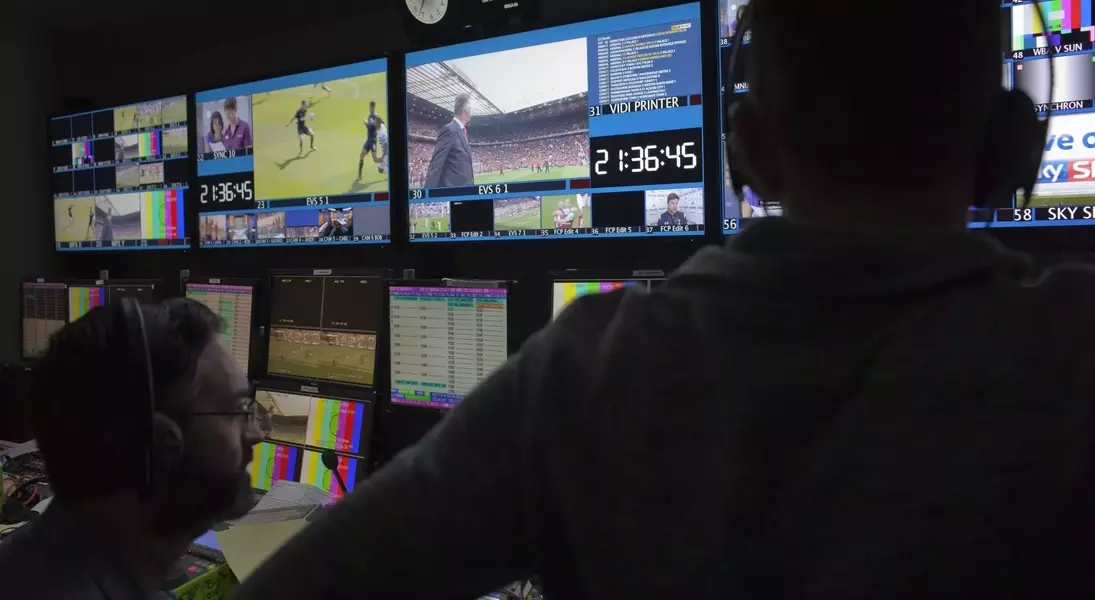
The evolution of football data can be broadly categorized into distinct waves. Initially, the "gambling wave," spearheaded by figures like Tony Bloom and Matthew Benham, saw data primarily utilized for commercial ventures. This was followed by the "in-house wave," as clubs like Arsenal and Liverpool began establishing their own dedicated analytics departments. Subsequently, the "democratization of data" emerged, with companies like Opta and Statsbomb making advanced tools accessible to a wider array of clubs. Most recently, the "birth of tracking data" has provided objective physical insights, further enhancing analytical capabilities and complementing traditional scouting methods.
The journey of these data architects has underscored the critical importance of communication and collaboration. While often perceived as "numbers people," their ability to translate complex statistical insights into actionable football language proved indispensable. Graham emphasized the need to explain models in a clear, accessible manner, bridging the gap between theoretical data and practical coaching applications. Rudd highlighted the power of video as a communication tool, ensuring that data-driven claims aligned with visual evidence, and demonstrated how iterative feedback from coaching staff could refine analytical models, as seen in Arsenal's project on measuring switches of play.
Even with their growing influence, data analysts continued to face resistance, particularly from those steeped in traditional footballing wisdom. Ted Knutson of Statsbomb recounted instances where he encountered reluctance from old-school directors, necessitating a strong resolve to maintain analytical integrity. Yet, the undeniable success of data-driven strategies ultimately forced a paradigm shift within club ownership, who recognized the competitive advantage offered by these advanced methodologies.
Today, the presence of technical directors and similar roles within nearly every Premier League club signifies data's institutionalized place within football's management hierarchy. While a clear disparity still exists between top-tier clubs and others in their data capabilities, the growing presence of individuals with analytical backgrounds in wider footballing roles, such as Ben Knapper transitioning from Arsenal's loans manager to Norwich City's sporting director, underscores data's expanded reach and acceptance.
Reflecting on the Data Revolution: A New Era of Football Intelligence
As we observe the profound integration of data analytics into modern football, it becomes clear that this is more than just a passing trend; it is a fundamental shift in how the sport is understood, played, and managed. The journey of data pioneers, from battling ingrained skepticism to becoming integral strategic partners, offers a powerful lesson: progress often arises from challenging conventional wisdom and persistently demonstrating the value of new approaches. For aspiring football professionals, this emphasizes the growing importance of not just traditional football knowledge, but also a deep understanding of analytical tools and the ability to effectively communicate complex data insights. Looking ahead, the next frontier for data in football likely lies beyond recruitment and into real-time tactical adjustments during matches and highly specialized training methodologies. While human intuition and on-field genius will always remain irreplaceable, the continued refinement of data models and tracking technologies promises to unlock even deeper layers of understanding, allowing teams to push the boundaries of performance and strategy in this ever-evolving global sport.
