

SailGP has pioneered a groundbreaking approach to sports officiating by integrating military-grade GPS technology, setting a new benchmark for accuracy and transparency in high-speed competitive events. This innovative system allows officials to make swift, precise judgments, minimizing the controversies often seen in other sports. By centralizing the officiating process in a technologically advanced studio, SailGP ensures a consistent and fair environment for its participants, transforming the perception of fairness in competitive sailing and potentially offering a blueprint for the future of sports officiating globally.
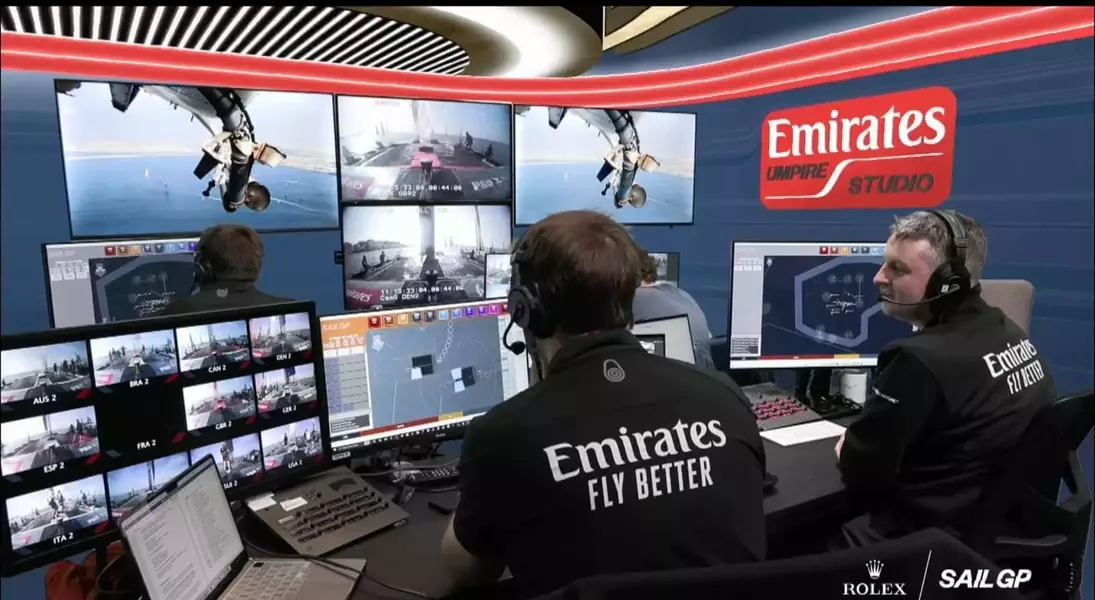
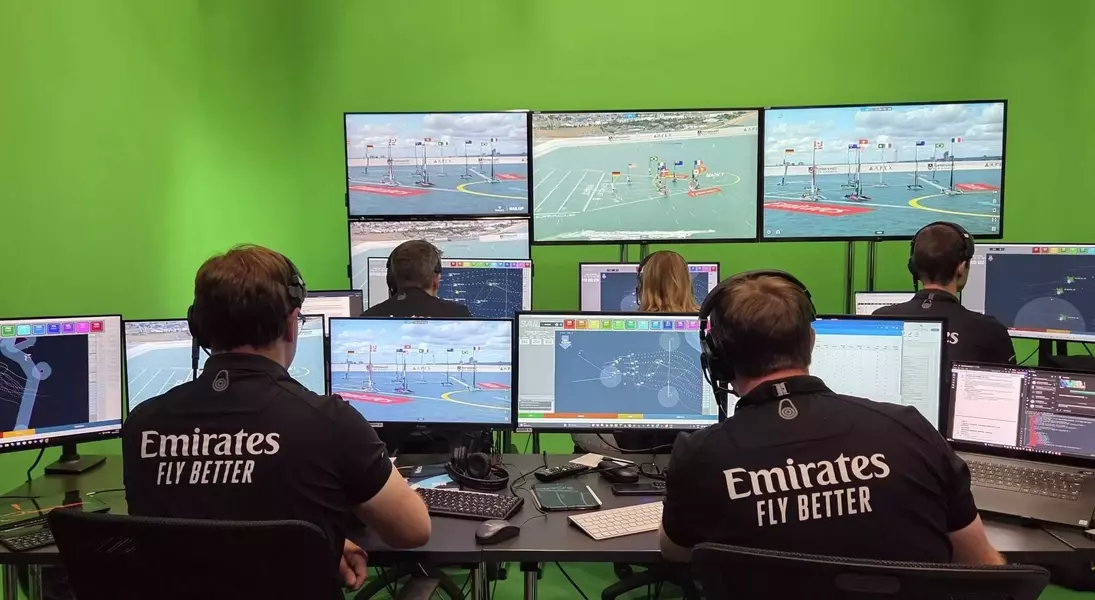
The traditional method of sports officiating often involves on-field or on-water presence, where human officials directly observe and interpret events. This can lead to subjective calls and delays, as seen with VAR in soccer or DRS in cricket, which, despite their intentions, frequently spark debate. SailGP, however, deviates significantly from this model. Instead of relying on umpires physically trailing the racing catamarans, SailGP's chief umpire, Craig Mitchell, and his team operate from a sophisticated broadcast headquarters in Ealing, West London. This remote setup, powered by cutting-edge technology, allows for a comprehensive overview of the race without the distractions of the high-speed, tumultuous on-water environment.
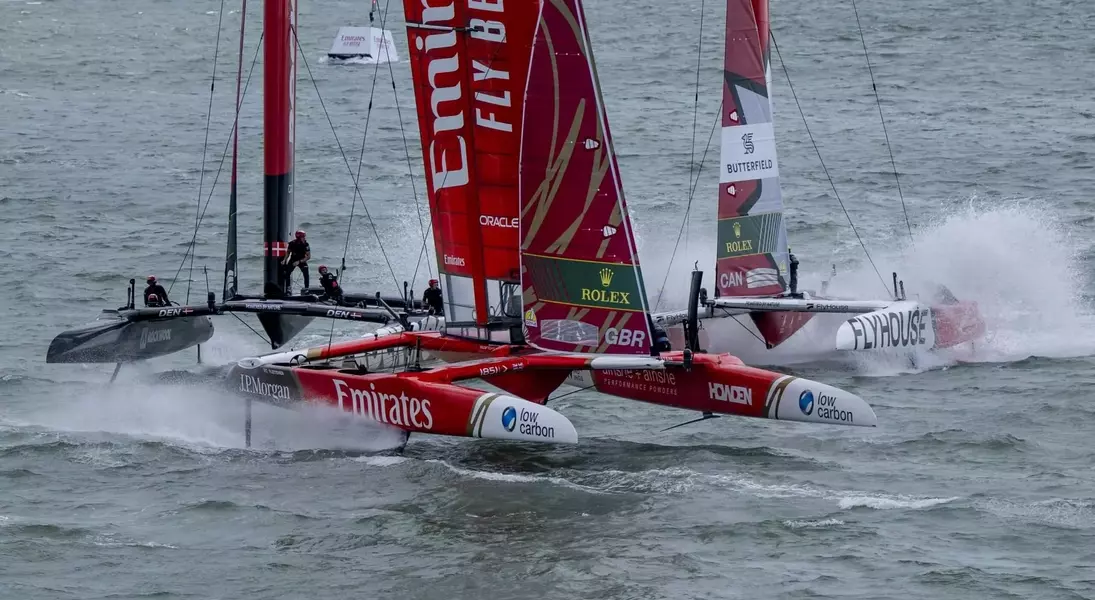
Central to SailGP's officiating prowess is the UmpApp system, a bespoke application that visualizes the race in real-time using highly accurate GPS data. Each F50 catamaran is equipped with military-grade GPS trackers, providing position data accurate to within 2.5 centimeters—the same precision used in missile guidance systems. This level of detail allows umpires to monitor boat trajectories and distances with unparalleled exactitude. The UmpApp displays these movements as simplified 2D graphics, stripping away visual clutter and enabling officials to focus solely on critical data points like direction and proximity. This focus is crucial in a sport where vessels can reach speeds exceeding 60 mph, making on-the-spot human observation incredibly challenging.
Mitchell emphasizes the necessity of real-time decision-making in SailGP, where races cannot be paused for reviews. He aims to issue rulings within 7 to 10 seconds of an incident, a self-imposed deadline that demands constant vigilance and anticipation. The centralized studio environment, equipped with all available data, offers a distinct advantage over on-water officiating, providing a complete picture of every maneuver. Mitchell’s philosophy also embraces transparency and accountability. He encourages feedback from teams and openly discusses decisions, even those that prove contentious, believing that such dialogue fosters continuous improvement and mutual understanding. This commitment to openness is evident in SailGP's practice of clipping and sharing incident reviews online, providing a clear explanation of official calls.
The role of technology extends beyond mere data collection; it enables a deeper understanding of the race dynamics. By simulating old races, Mitchell's team refines their communication and decision-making processes, even in the absence of real-time pressure. Furthermore, SailGP mandates that its officials possess high-level sailing experience. This background provides them with an intrinsic understanding of race nuances, tactical movements, and the unwritten rules of engagement, allowing them to anticipate potential infractions and interpret complex situations more effectively. This blend of cutting-edge technology and experienced human insight ensures that SailGP remains at the vanguard of fair play and competitive integrity.
SailGP's innovative use of advanced GPS technology has fundamentally transformed the landscape of sports officiating, demonstrating how precision and transparency can be achieved even in the most dynamic competitive environments. By adopting a system that relies on ultra-accurate data and a centralized command center, SailGP has not only enhanced the fairness and fluidity of its races but has also offered a compelling vision for the future of sports officiating, where technology and human expertise converge to create a more equitable and understandable sporting experience.
