Even after the primary harvest of summer vegetables, a significant opportunity remains for gardeners to extend their yield into the cooler months. By strategically planting certain vegetables in mid-to-late summer, a fresh and abundant supply can be secured for the autumn table. This approach not only maximizes garden productivity but also provides a continuous source of nutritious, home-grown produce.
Autumnal Garden Delights: Expanding Your Harvest into Fall
As the vibrant peak of summer gardening begins to mellow, a new wave of planting possibilities emerges for the astute cultivator. While crops like peppers, tomatoes, and melons have concluded their seasonal run, the period stretching from July through mid-August presents an ideal window for sowing a second, robust selection of vegetables. These specific varieties are perfectly adapted to flourish as temperatures gently fall, offering a delightful harvest in the crisp air of September and October. This extended growing season allows enthusiasts to savor fresh, garden-to-table produce well into autumn. For those in search of seeds, local garden centers or specialized online retailers like Jung Seed, with physical locations in Randolph, Sun Prairie, and Stevens Point, Wisconsin, offer a comprehensive range of options to facilitate this late-season endeavor.
String Beans: These versatile legumes can be sown from the height of summer through mid-August, promising a delightful second wave of tender pods.
Leafy Greens (Lettuce, Swiss Chard, Spinach): Lettuce varieties, Swiss chard, and spinach thrive in cooler conditions. Planting these through mid-August ensures fresh greens for salads and cooking well into October. Consider cultivating different lettuce types to diversify your harvest.
Carrots: August plantings of carrots often yield the sweetest roots, benefiting from the refreshing chill of approaching autumn. Proper thinning of seedlings to about one to two inches apart is crucial for well-formed, straight carrots.
Peas: Both snap and snow peas can be planted, with mature plants reaching up to two feet. Providing sturdy support like chicken wire allows them to climb, enhancing yield. Plant rows approximately two inches from the support for optimal growth.
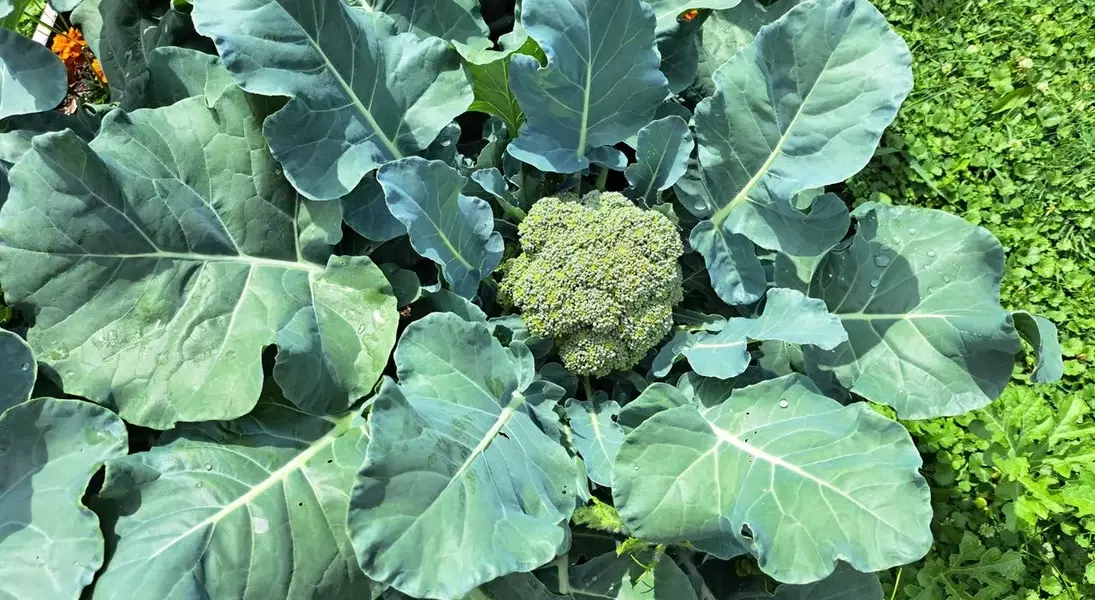
Broccoli: Another cool-weather enthusiast, broccoli can be started from seed on a patio or deck and transplanted into the garden by mid-August. This resilient cruciferous vegetable can withstand light frosts, extending its harvest season through the close of October.
Radishes: Known for their rapid growth, radishes can transition from seed to harvest in as little as a month. Multiple successional plantings from July to September can ensure a continuous supply of these zesty roots.
Onions: Planting onion sets in July or August offers a convenient way to secure a fresh supply of onions, ready for digging by the end of October.
From a gardener's perspective, this news brings immense satisfaction and a renewed sense of purpose to the summer season. It's a reminder that the garden's potential isn't confined to a single spring burst but can be a continuous source of fresh, vibrant produce. This ability to extend the harvest not only provides economic benefits by reducing grocery bills but also enriches personal well-being through access to healthy, home-grown food and the therapeutic joy of gardening itself. It encourages a more thoughtful and engaged relationship with the land, fostering a deeper appreciation for seasonal cycles and sustainable living practices. Indeed, the garden is not merely a plot of land but a living pantry, offering its gifts well beyond the warmer months.
