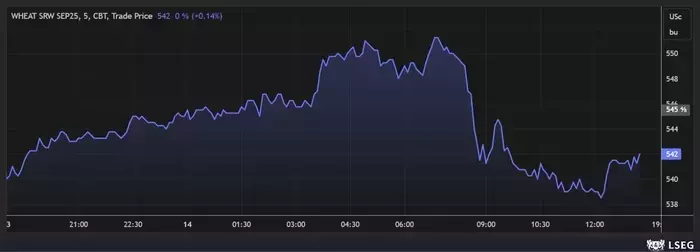

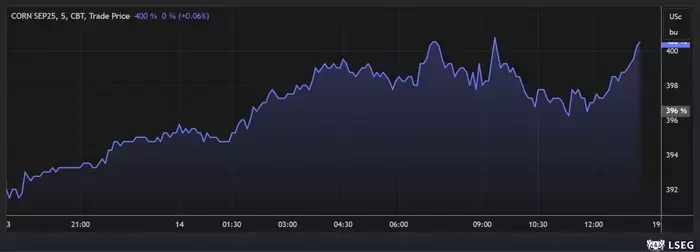
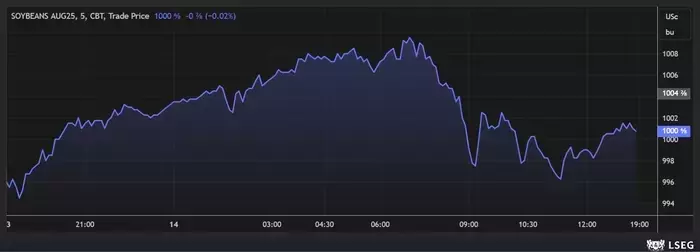
Agricultural commodity markets saw varied performance on Monday, with corn prices finding support through short-covering, contrasting with declines in soybean and wheat values. Traders are closely monitoring fresh supply and demand indicators, especially after the latest WASDE report. Anticipated changes in USDA crop quality ratings, ongoing global trade negotiations, and significant harvest progress in Brazil are all contributing to the complex market landscape. Additionally, the broader economic climate, influenced by tariff discussions and energy prices, continues to shape investor sentiment.
Amidst these fluctuations, the importance of efficient farm management and a positive workplace culture is gaining recognition, with new research suggesting tangible financial benefits for agricultural operations. As farmers navigate these dynamic conditions, staying informed about market fundamentals, weather patterns, and global trade flows remains crucial for strategic decision-making and optimizing profitability. The interplay of these elements creates an environment where adaptability and timely information are key to success in the evolving agricultural sector.
Corn Market Rebounds on Short-Covering Activities
Corn prices demonstrated a notable recovery on Monday, spurred by short-covering activities, following recent contract lows. This upward movement was largely driven by market participants reassessing the robust pace of export sales observed earlier in the marketing year. Despite an overall pedestrian performance in grain export inspections, the underlying demand for U.S. corn appears to offer a degree of resilience, prompting a shift in trading strategies. The anticipation of the USDA's upcoming crop progress report also played a role, with traders keen to see if current crop quality ratings would be maintained or adjusted, further influencing price dynamics.
July corn futures saw a significant increase, pushing prices closer to the crucial $4 benchmark for September futures. While spot basis bids largely remained stable or saw slight declines across the Midwest, export inspections for corn showed a reduction from the previous week, yet cumulative figures for the 2024/25 marketing year still outpaced prior years. Brazilian corn harvest progress, though slower than last season, indicated an acceleration due to improved weather. Meanwhile, market speculation saw large investors reducing their net short positions in corn, reflecting a more positive outlook. This combination of factors, including weather forecasts predicting further moisture for key growing regions, suggests an evolving supply-side narrative that continues to influence price discovery.
Soybean and Wheat Markets Face Downward Pressure
In contrast to corn's gains, soybean prices experienced a setback on Monday, influenced by technical selling and strong global supply prospects. The anticipation of a record-breaking soybean harvest in Brazil, coupled with favorable conditions for the current U.S. crop, contributed to the downward momentum. This scenario created an environment where traders opted to sell, despite underlying demand, as the abundant supply outweighed other market considerations. The overall sentiment in the soybean market reflected a focus on production volume and its potential impact on price levels, leading to a cautious approach among investors.
July soybean futures declined, and August futures also saw modest losses, indicating a general retreat from upward price movements. Soybean export figures were particularly disappointing, falling short of analyst expectations and showing a significant drop compared to the previous week, even though cumulative totals for the marketing year remained ahead of last year's pace. China's record-high soybean imports in June, largely sourced from Brazil due to trade tensions with the U.S., further highlighted the global shift in trade flows. Similarly, winter wheat prices also eased, primarily due to technical selling pressure. Despite solid export inspection tallies, the market seemed to be correcting itself after previous movements, with analysts closely watching the USDA's crop progress report for updates on winter wheat harvest completion and spring wheat quality ratings. Large speculators also increased their net short positions for soybeans and CBOT wheat, underscoring the prevailing bearish sentiment in these segments of the grain market.
