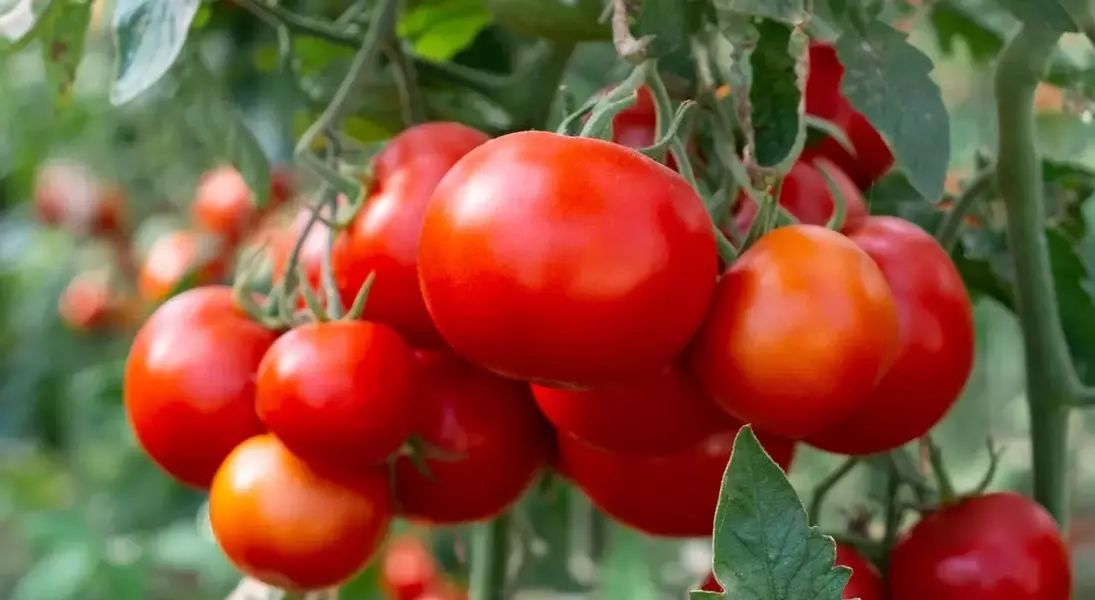
As the vibrant summer progresses, bringing with it the peak of the growing season, a focus on nurturing your tomato plants becomes paramount. This comprehensive guide delves into essential midseason practices designed to significantly enhance both the quantity and the flavor of your tomato harvest. From enriching the earth beneath your plants to providing optimal hydration and structural support, these strategies are key to cultivating a truly exceptional yield. Prepare to unlock the full potential of your tomato patch and savor the taste of sun-ripened perfection.
Unlock the Secret to a Bountiful Tomato Harvest: Midseason Care for Peak Performance!
The Joy of Summer's Bounty: Embracing Tomato Season
For many gardening enthusiasts, the arrival of August and September signifies the most anticipated period of the year: tomato season. While the warmth of summer certainly contributes to its charm, the true allure lies in the abundance of succulent tomatoes. There's an unparalleled satisfaction in plucking a vine-ripened tomato, still warm from the sun, directly from your own garden. This article celebrates the sheer delight of fresh, homegrown tomatoes and the many culinary possibilities they offer, from simple slices to homemade salsa.
Optimizing Soil Conditions for Thriving Tomato Plants
To cultivate robust tomato plants and ensure a generous harvest, the foundation of healthy soil is non-negotiable. Tomatoes flourish in nutrient-rich, well-drained soil with a slightly acidic pH, ideally between 6.5 and 6.8. A neutral pH is 7.0. Utilizing a soil testing kit from your local garden center is crucial for determining your soil's current pH level. If the soil is excessively acidic (below 7.0), the application of lime can help raise its pH. Conversely, if it's too alkaline (above 7.0), incorporating compost can help lower it. As heavy feeders, tomato plants require a consistent supply of nutrients, making midseason the opportune time to enrich the soil with compost or apply a specialized tomato fertilizer every two weeks, starting from planting.
Mastering Watering Techniques for Juicy Tomatoes
Achieving juicy, flavorful tomatoes necessitates consistent and adequate hydration. Tomato plants typically require 1 to 1.5 inches of water per week. A layer of mulch, composed of materials like shredded pine bark, grass clippings, or composted leaves, is highly beneficial. Mulch helps retain soil moisture, preventing rapid evaporation in the summer heat. It's important to ensure that any grass clippings used as mulch are free from herbicides, as these can harm your plants. When watering, direct the water to the base of the plant or utilize a soaker hose to prevent splashing water onto the leaves, which can promote disease. Once the fruit begins to ripen, gradually reduce watering to encourage the plant to concentrate its sugars, resulting in sweeter, more flavorful tomatoes. However, avoid excessive water restriction, as this can lead to wilting and the dropping of blossoms or fruit.
Providing Essential Support for Healthy Growth and Fruit Development
As tomato plants grow and bear fruit, providing adequate support becomes critical. Before the plants reach a foot in height, install tomato cages or stakes to support their upward growth. This practice prevents the fruit from resting on the soil, which can lead to rot and make the tomatoes susceptible to pests. Supporting the plants also ensures better air circulation and sunlight exposure, contributing to healthier fruit development and a cleaner harvest. Durable, homemade cages, such as those constructed from 4-inch woven wire fencing, offer long-lasting support and allow for easy access for harvesting and pruning.
Maintaining a Weed-Free Environment for Optimal Plant Health
Even with the use of mulch, regular weeding is an indispensable part of tomato plant care. Weeds compete with tomato plants for vital nutrients, water, and sunlight, hindering their growth and potentially reducing yields. Given their rapid growth, especially during the summer, it is essential to remove weeds at least once a week. This consistent effort ensures that your tomato plants receive all the necessary resources, allowing them to flourish and produce a bountiful, high-quality harvest throughout the season.
