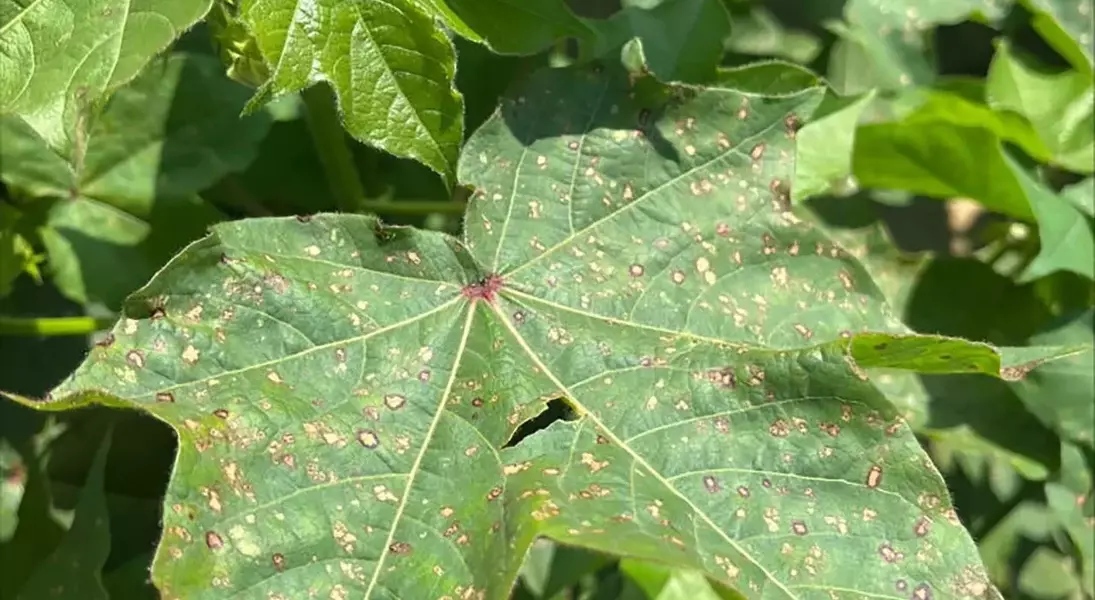
A prevalent occurrence of leaf spots has been observed on cotton plants this season, attributed to extensive rainfall. Experts confirm that while fungicides can diminish the visible signs and intensity of these spots, their application generally does not translate into higher crop yields. The common types of leaf spots, including alternaria, cercospora, and stemphylium, are often linked to nutrient deficiencies or overall plant stress. Despite the early onset, which is unusual, the consensus among agricultural specialists is that intervention with fungicides for this particular leaf spot complex is largely unnecessary. Instead, focusing on plant health and monitoring for more critical diseases like target spot and areolate mildew is advised.
Cotton growers are currently witnessing a significant prevalence of leaf spots on their plants' main stems. This phenomenon, identified by University of Tennessee's Dr. Heather Kelly and Dr. Tyson Raper, is primarily associated with a group of diseases collectively known as the leaf spot complex. This complex typically includes alternaria, cercospora, and stemphylium, all of which are usually indicators of a plant's struggle with nutrient deficiencies or other stressors.
The early arrival of these leaf spots this year is directly linked to the substantial rainfall received throughout the season. This has, in turn, affected the root structures of the cotton crops, making them more susceptible. Despite the visual severity, initial assessments suggest that most of these spots are likely stemphylium, a fungal infection that, while widespread, does not necessarily warrant chemical intervention.
Research and field observations indicate that although foliar fungicides can effectively lessen the appearance and severity of the leaf spot complex, their use has not consistently demonstrated an improvement in cotton yields. This insight is crucial for farmers, as it suggests that the economic benefit of applying fungicides for these specific conditions is minimal, if any. Therefore, a 'wait-and-see' approach is often the most practical and cost-effective strategy.
However, as the growing season progresses into late summer, it becomes imperative to remain vigilant for other, potentially more damaging diseases. Target spot (corynespora) and areolate mildew (ramularia) are two such diseases that, when present, might necessitate a foliar spray. Fortunately, there have been no widespread reports of these more concerning diseases in the region this year, reinforcing the current recommendation against preventative fungicide application.
It's also important to differentiate these fungal leaf spots from bacterial blight, which presents with similar visual symptoms, particularly water-soaked lesions on the underside of the leaves. Fungicides are ineffective against bacterial blight. In such cases, the most effective management strategy involves selecting resistant cotton varieties for subsequent planting cycles to prevent future outbreaks.
The current situation with leaf spots on cotton highlights the importance of understanding specific plant diseases and their impact on yield. It underscores that visual symptoms do not always necessitate aggressive chemical treatments, and in many instances, allowing natural plant resilience to take its course, or employing non-chemical solutions like resistant varieties, can be the most judicious approach to crop management.
