
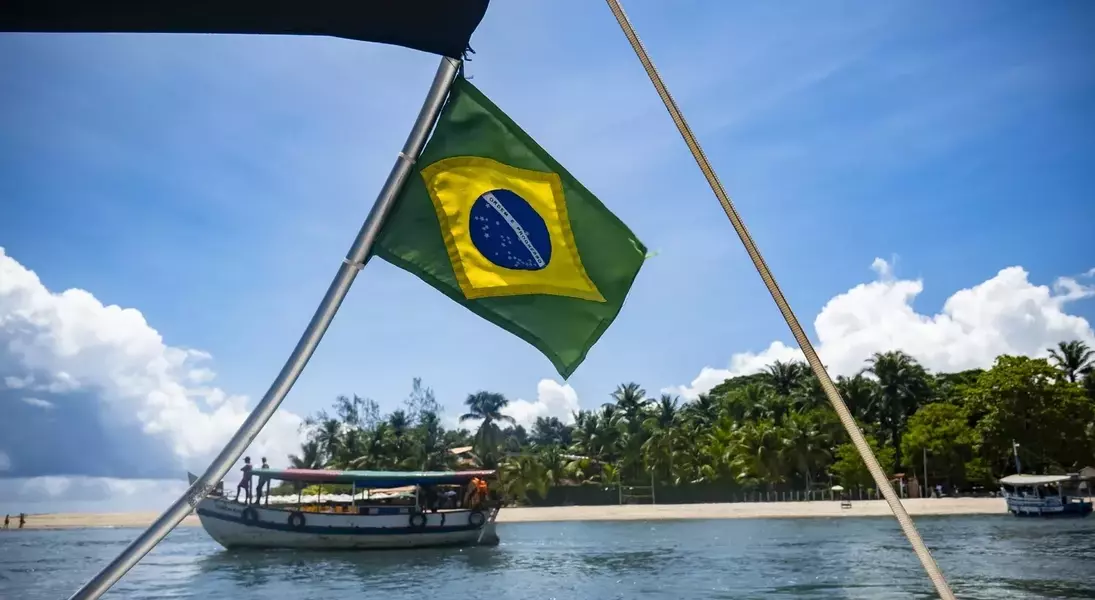


Brazil is gaining recognition as a prime retirement destination, offering a compelling blend of affordability, natural splendor, and a relaxed way of life. While popular tourist spots like Rio and São Paulo attract large crowds, a collection of lesser-known towns provides a tranquil retreat for retirees seeking a comfortable existence at a fraction of the cost. These destinations not only promise financial ease but also a chance to immerse oneself in diverse cultural and natural settings.
The allure of Brazil for retirees is rooted in its economic advantages. The cost of living, encompassing housing, food, and transportation, is remarkably lower compared to many Western nations, allowing retirement savings to extend further. The country's inviting climate encourages an outdoor-centric lifestyle, fostering a sense of well-being and activity. Furthermore, Brazil's cultural warmth, characterized by its friendly and laid-back inhabitants, ensures a smooth integration for expatriates. The presence of a universal healthcare system, complemented by reasonably priced private insurance options, adds another layer of security and appeal for long-term foreign residents. A retirement visa, requiring a monthly income of $2,000, proves more than sufficient for a comfortable life in these serene locales.
When selecting these retirement havens, careful consideration was given to offering meaningful alternatives to Brazil's major tourist centers. The chosen towns prioritize low living costs, abundant natural beauty, and a slower pace of daily life. Key criteria included significant affordability compared to urban hubs, convenient access to healthcare services (either locally or nearby), a distinct cultural or natural character that distinguishes them from crowded resorts, and overall liveability for foreign retirees who may not be fluent in Portuguese. The selection also aimed for geographic diversity, spanning Brazil's picturesque coastline, expansive wetlands, and enchanting island communities. This ensures a variety of retirement lifestyles, from vibrant surf scenes and captivating wildlife observation to car-free island living and charming dune-backed fishing villages, catering to diverse preferences.
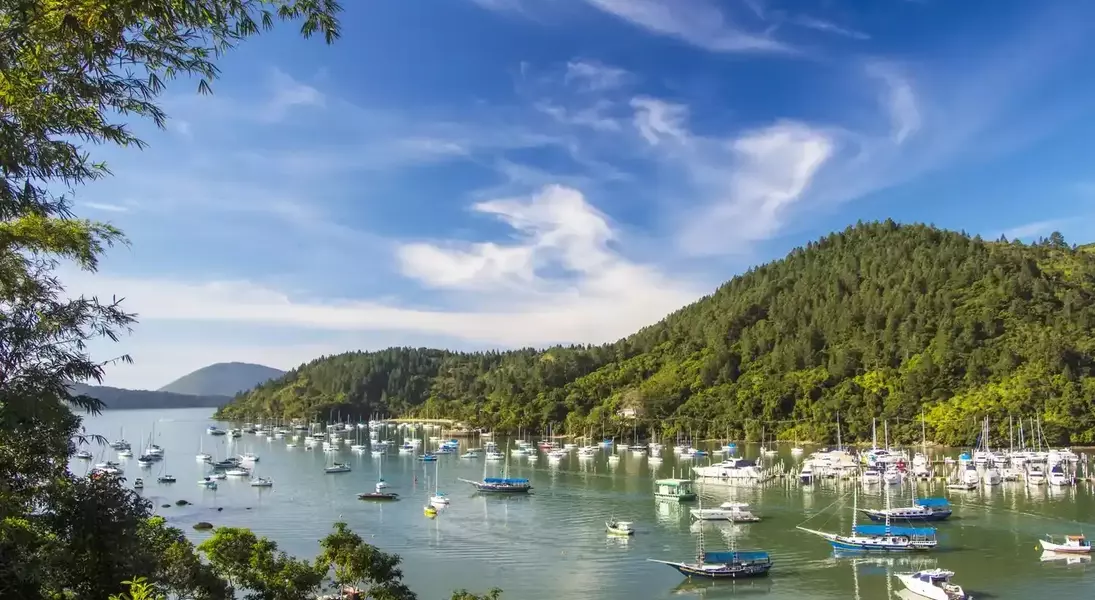
Ubatuba, nestled in São Paulo state, presents a delightful combination of rainforest and ocean, boasting over a hundred beaches. This town, with its rich fishing heritage, ensures a steady supply of affordable, fresh seafood. While summer months (December to February) see a surge in prices due to tourist influx, the quieter off-season (July to October) offers a more budget-friendly experience. Ubatuba hosts events like the Festa do Pescador, celebrating its fishing traditions. Travel to and from Ubatuba is convenient, with daily flights to its local airport during peak season. Modern healthcare facilities and qualified staff are available in nearby Caraguatatuba.
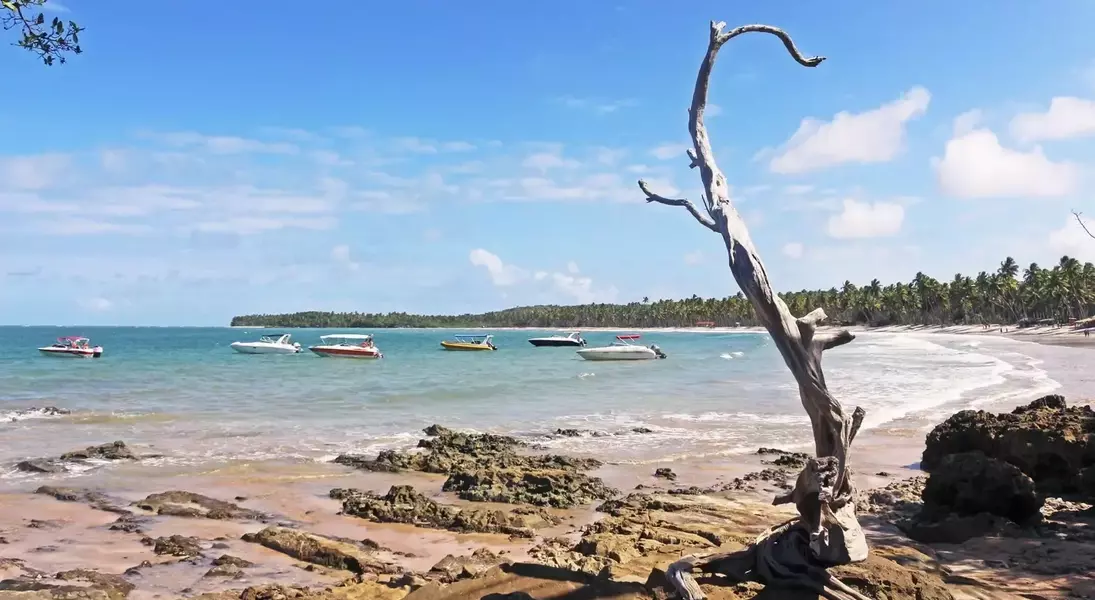
For those who dream of serene, clear waters, São Miguel dos Milagres in Alagoas is an idyllic choice. Known for its exceptional diving and transparent kayaking, the town offers unique opportunities to explore underwater ecosystems and coral reefs. This coastal stretch is characterized by quaint fishing communities, lush coconut groves, and natural pools, where life unfolds at a leisurely pace. Fresh and affordable seafood is a staple. Comprehensive healthcare options, both public and private, are accessible in nearby Maceió.
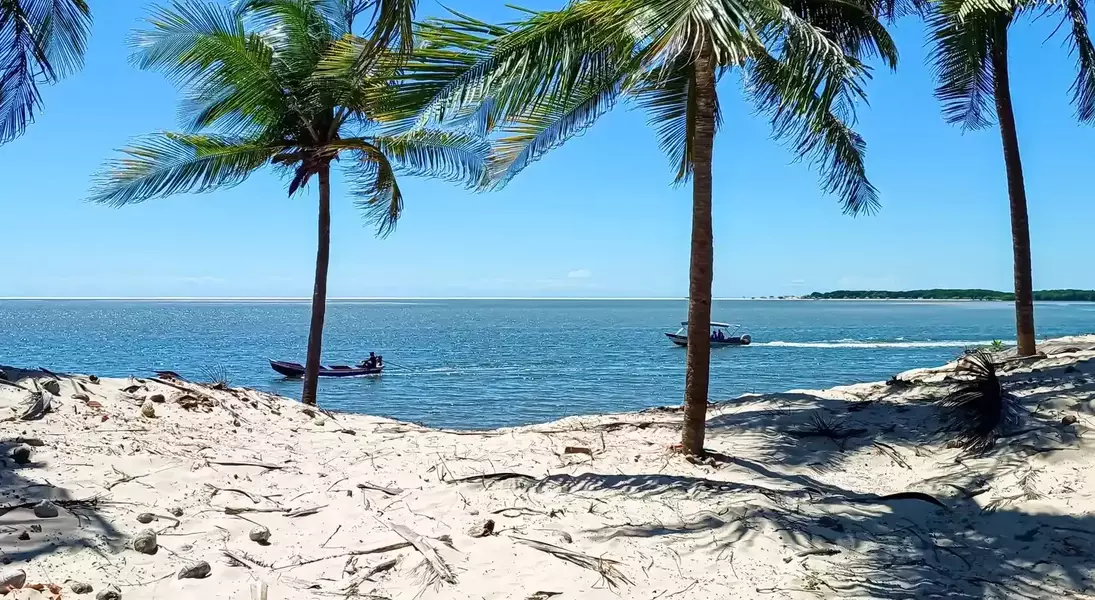
Boipeba Island in Bahia exudes an untouched charm, being entirely car-free. Its allure lies in its tranquil beaches and tight-knit community. However, the island can become crowded around Christmas, leading to a strain on local resources. During the winter months (May to August), many businesses close for maintenance, reducing available activities and dining options. Basic healthcare services are available on the island, with more extensive facilities on the mainland.
Atins, located in Maranhão, borders the magnificent Lençóis Maranhenses National Park, offering retirees a unique landscape of vast dunes, pristine freshwater lagoons, and expansive beaches. The cost of living here is minimal, promoting a minimalist lifestyle due to sandy roads that often require quad bikes or 4x4s for navigation. Atins is a hub for kitesurfing, windsurfing, kayaking, and wingfoiling, adding an adventurous dimension to retirement. The intense midday heat suggests early morning or late afternoon activities. While local healthcare is limited, the nearby town of Barreirinhas provides essential medical services.
Garopaba, in Santa Catarina, offers a distinctive blend of mountainous terrain, beautiful beaches, and a charming small-town ambiance. While it's celebrated as Brazil's surf capital, its appeal extends to retirees who appreciate its mild climate and strong digital connectivity, allowing for remote work or easy communication with family. The town features various markets, cafes, and outdoor activities, all while maintaining affordability. Garopaba is noted for its safety and relaxed atmosphere, with convenient access to regional healthcare. Popular activities include hiking, whale watching, and artisan fairs, making it an attractive option for those preferring cooler coastal weather.
Miranda, situated in Mato Grosso do Sul, caters to retirees who favor wildlife, sprawling farmlands, and wetlands over coastal views. As a primary entry point to the Pantanal, the region is renowned for its traditional cattle ranches and rich biodiversity, offering chances to observe jaguars, giant otters, and numerous bird species. Living costs are low, and housing is generally more affordable than in Brazil's major tourist areas. Basic healthcare is available locally, with more extensive services in Corumbá or Campo Grande. The unhurried pace of life here is ideal for those who value vast open spaces and a rural environment.
Before making a move, prospective retirees should familiarize themselves with Brazil’s long-stay visa regulations. While major cities boast high-quality private hospitals with modern technology and English-speaking staff, healthcare quality in public facilities varies and can be crowded. Therefore, most expatriates opt for private insurance. Remote areas often have limited services and poorer sanitation, underscoring the importance of proximity to urban healthcare. Learning basic Portuguese is highly recommended for navigating daily life in rural regions. Additionally, understanding regional safety nuances is crucial when choosing a neighborhood.
