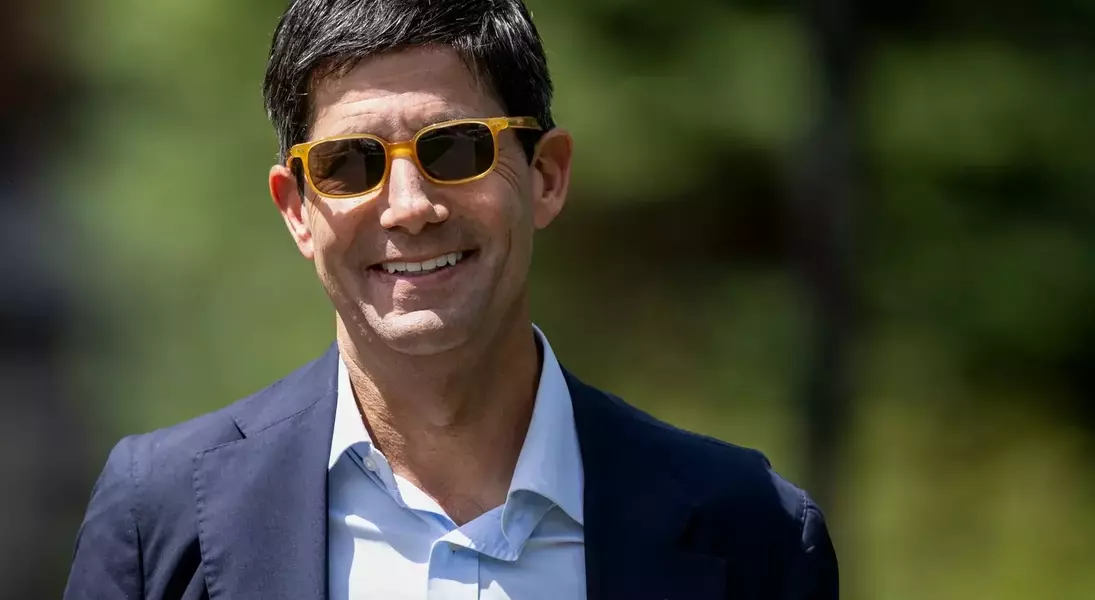
President Donald Trump's selection of Kevin Warsh to head the Federal Reserve marks a pivotal moment for U.S. monetary policy. The incoming chair faces the complex challenge of balancing economic growth with inflation control, all while navigating political pressures. Warsh's past advocacy for lower interest rates suggests a potential shift in the central bank's direction, though his approach may be more measured than some anticipate.
The role of the Fed chair is critical in shaping the nation's financial landscape. This article explores the implications of Warsh's nomination, examining his stance on interest rates and the broader economic challenges he will inherit. It also delves into the delicate balance between maintaining the Fed's independence and responding to calls for specific policy actions, particularly concerning interest rate adjustments.
Kevin Warsh's Stance on Interest Rates and Economic Policy
Kevin Warsh, the former Federal Reserve Governor, has been a vocal proponent of lower interest rates, aligning with President Trump's preferences. His public statements, including those on national television, have consistently emphasized the potential for reducing borrowing costs. However, analysts suggest that his approach to monetary policy may be more cautious than a purely "dovish" stance would imply. While he supports rate cuts, he is expected to consider broader economic conditions and long-term stability rather than implementing drastic changes without thorough evaluation. This nuanced perspective highlights the complexities of his potential leadership at the Federal Reserve.
During his tenure as a Fed governor from 2006 to 2011, Warsh gained considerable experience in monetary policy. His background as a lawyer and banker provides him with a comprehensive understanding of financial markets and economic dynamics. Deutsche Bank's chief economist, Matthew Luzzetti, noted that despite Warsh's recent advocacy for lower rates, he is not seen as inherently "dovish," indicating a likely balanced approach to policy decisions. This suggests that while he may be inclined to reduce rates, such actions would be part of a broader strategy aimed at sustainable economic health, rather than solely a response to short-term political or market demands.
Navigating the Complexities of the Federal Reserve Chairmanship
Assuming the role of Federal Reserve Chair places Kevin Warsh at the helm of the nation's central bank during a critical period for the economy. He will inherit the challenge of steering monetary policy amidst conflicting economic signals, including a cooling job market and persistent inflationary pressures that remain above the Fed's target. The central bank's policy committee, responsible for setting interest rates, has been deeply divided on the appropriate course of action, reflecting the intricate nature of the current economic environment. Warsh's leadership will require a delicate balancing act to foster both employment growth and price stability.
Furthermore, the new Fed chair will face intense scrutiny regarding the central bank's independence. President Trump's public demands for significant interest rate cuts and his administration's actions, including a criminal investigation into committee members, have raised concerns about political interference. Maintaining credibility in the face of such external pressures will be paramount for Warsh. Economists and Fed officials have cautioned that any perception of the central bank capitulating to political demands could erode public trust in its ability to control inflation, potentially leading to adverse economic outcomes. Therefore, Warsh will need to demonstrate strong resolve and a commitment to data-driven decision-making to uphold the Fed's reputation and ensure its effectiveness.
