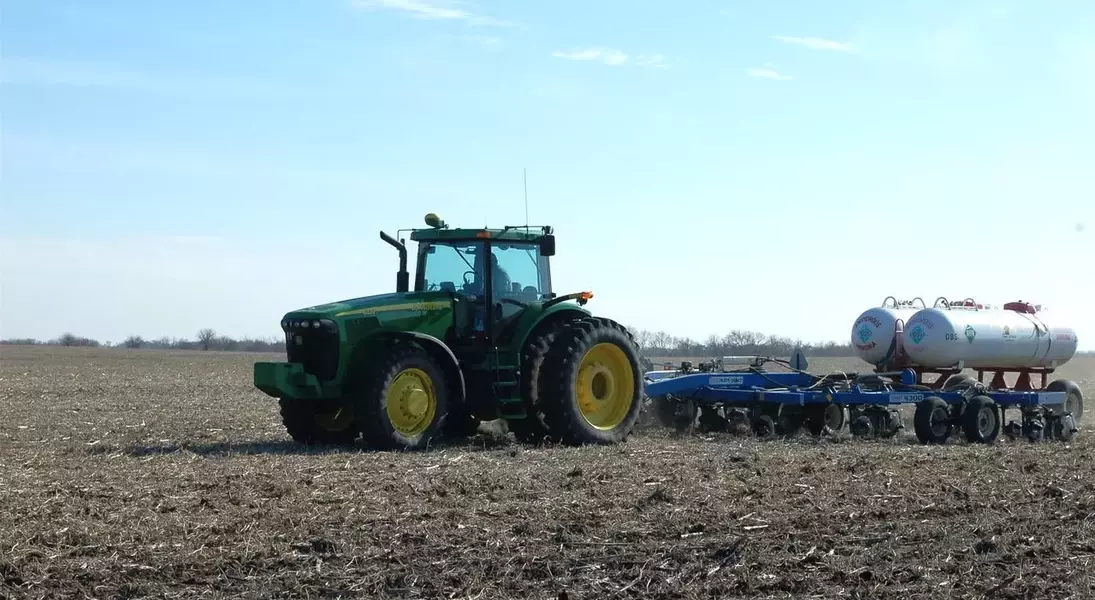
Promoting safety and health in agricultural settings is a continuous endeavor, underscored by the annual National Farm Safety and Health Week. This year's event, scheduled from September 21-27, 2025, centers on the theme \"Safety First, Avoid the Worst.\" It emphasizes equipping farmers and rural communities with essential knowledge and tools to mitigate risks inherent in farming. Organized by the National Education Center for Agricultural Safety (NECAS), the week-long observance provides a critical platform for education and awareness. This strategic focus ensures that agricultural professionals are well-prepared to safeguard themselves and their families, fostering a culture of safety that extends beyond this dedicated week into their daily operations.
The agricultural sector is vital to our global food systems, yet it presents inherent dangers. Recognizing these challenges, the National Farm Safety and Health Week serves as a beacon, guiding individuals toward safer practices. By addressing various facets of farm life—from the machinery used in fields to the mental well-being of farm families—the initiative strives to cultivate a robust framework of preventative measures. This comprehensive approach is designed to transform the inherent risks into manageable challenges, allowing those dedicated to agriculture to thrive in a secure and supportive environment, thereby ensuring the longevity and sustainability of farming communities.
Comprehensive Safety Initiatives
This initiative offers a robust program designed to enhance safety across various aspects of farm life. Throughout the week, participants can attend daily webinars and engaging workshops that delve into specific safety challenges, providing practical insights and actionable strategies. These educational sessions cover crucial areas, including the safe operation of farm machinery and vehicles on rural roads, emphasizing proper lighting, signage, and equipment visibility. Furthermore, the program addresses the critical issues of mental health and stress management, offering support and resources tailored to the unique pressures faced by agricultural workers. Attention is also given to intergenerational farming, promoting safety practices for all ages involved in agriculture, from young apprentices to seasoned farmers. The hazards associated with confined spaces such as grain bins and manure pits are thoroughly explored, with a focus on prevention, proper ventilation, and emergency preparedness. Finally, the safe use of ATVs and UTVs on farms is highlighted, providing essential guidance on training, protective gear, and incident prevention. These diverse topics ensure a holistic approach to agricultural safety, aiming to equip the farming community with the knowledge and tools necessary to prevent accidents and promote overall well-being.
A significant component of the National Farm Safety and Health Week is its emphasis on interactive learning and community participation. Each day features not only expert-led discussions but also offers downloadable resources, making vital safety information accessible to all. Beyond the virtual classrooms, numerous community events are organized nationwide, including engaging exhibits and live safety demonstrations that bring theoretical knowledge to life. Local agricultural youth organizations, such as FFA and 4-H, play a pivotal role by contributing materials and delivering presentations, inspiring the next generation of farmers to prioritize safety. This collective effort fosters a proactive approach to safety, encouraging individuals and communities to actively participate in building a safer agricultural environment. The ultimate goal is to instill a profound sense of awareness and responsibility, ensuring that safe practices are not merely observed during this special week but are integrated into the fabric of daily farm operations, thereby safeguarding the lives and livelihoods of those who nourish our world.
Building a Safer Agricultural Future
The annual recognition of National Farm Safety and Health Week extends beyond a mere seven-day observance; it serves as a powerful catalyst for a sustained commitment to well-being in the agricultural sector. This focused period reinforces the fundamental importance of safety and health, encouraging a comprehensive re-evaluation of existing practices and the adoption of new, safer methodologies. By raising awareness of common hazards and promoting preventative measures, the initiative aims to reduce the incidence of injuries, illnesses, and fatalities among farmers, ranchers, and their families. It champions the integration of safety protocols into every aspect of farm work, transforming them from occasional considerations into ingrained habits. This dedication is crucial for cultivating a resilient and thriving agricultural community capable of facing contemporary challenges while preserving the health and vitality of its workforce for generations to come.
Ultimately, the impact of National Farm Safety and Health Week reverberates throughout the entire year, emphasizing that safety is an ongoing process rather than a sporadic event. The knowledge and strategies shared during this week are designed to be a foundation for continuous improvement, empowering individuals to proactively identify and mitigate risks in their daily routines. By consistently applying these principles, agricultural professionals can create a safer and healthier working environment, ensuring their capacity to contribute to global food production for many years ahead. This enduring commitment to safety and health is not merely about preventing accidents; it is about fostering a culture of care and foresight that strengthens the agricultural industry and protects the dedicated individuals who sustain it, ensuring a safer and more prosperous future for all involved.
