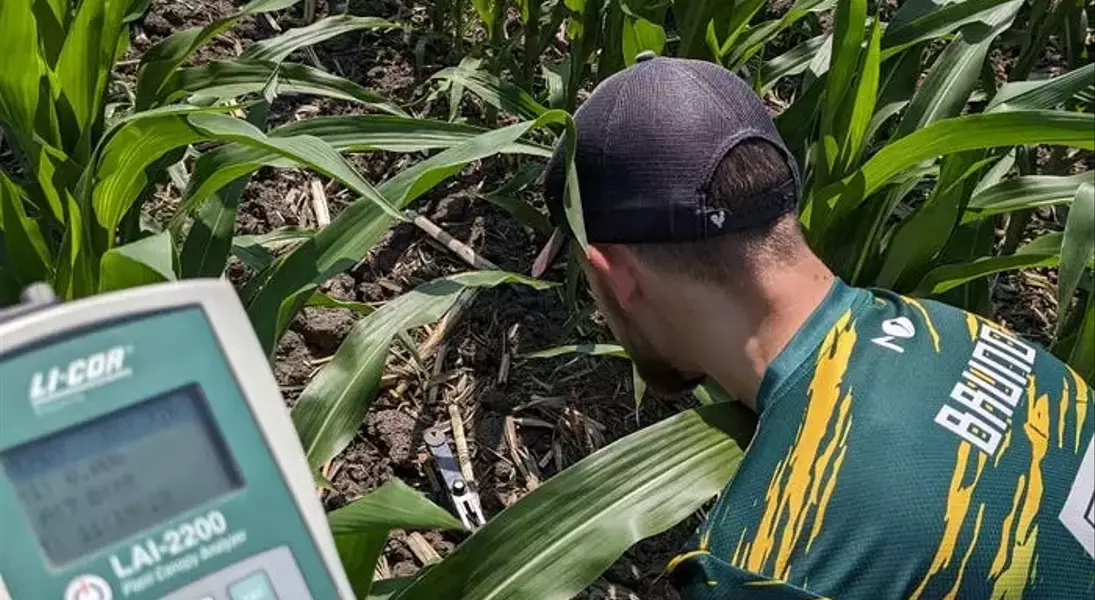
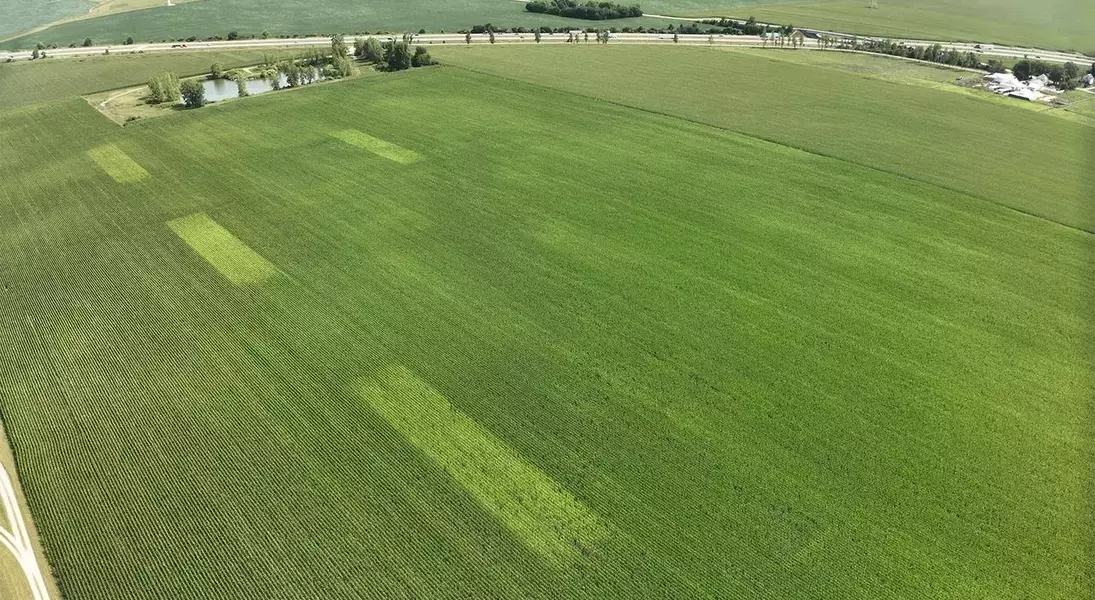
Modern agriculture is experiencing a significant evolution, with farmers increasingly turning to technology for enhanced resource management. The application of nitrogen, a vital nutrient for corn growth, is at the forefront of this change. Integrating historical information, open-source data, and cutting-edge tools such as sensors, aerial imagery, and variable-rate technologies is transforming the traditional approach to in-season nitrogen decisions. A comprehensive research project conducted over 600 acres in Indiana from 2021 to 2023 specifically evaluated a satellite-guided precision nitrogen strategy, revealing both the promising capabilities of sensor-based systems and the inherent challenges in their practical deployment.
Despite the clear advantages, several factors currently impede the widespread adoption of sensor-based nitrogen management. One primary concern is ensuring operational efficiency, as the optimal window for sidedress nitrogen application can be very narrow. While aerial imagery provides broad field insights rapidly, the use of hand-held sensors for detailed data collection can be prohibitively time-consuming for large fields. Furthermore, certain sensor-informed strategies necessitate specialized farm equipment, which might not be readily available to all farmers. Therefore, for these technologies to gain broader acceptance, they must be seamlessly integrated with existing farm infrastructure and daily workflows, offering both agronomic reliability and user-friendly interfaces.
The path forward for precision agriculture, particularly in nitrogen management, involves a concerted effort to address these practical limitations. Building farmer confidence and ensuring ease of use are paramount for accelerating adoption. As research continues to refine these tools and address logistical hurdles, the integration of advanced sensor technology holds the promise of a more efficient, sustainable, and productive agricultural future. Empowering farmers with accurate, timely data and the means to act on it will ultimately lead to optimized yields and reduced environmental impact, fostering a more resilient and prosperous farming community for generations to come.
