Farmers in Maryland are embracing a unique experimental program, Testing Ag Performance Solutions (TAPS), which allows them to explore unconventional farming techniques without personal financial risk. This initiative, spearheaded by the University of Maryland, encourages participants to push the boundaries of traditional agronomic practices, including the use of unusually high planting rates and diverse marketing strategies. The program's design, which simulates real-world conditions on virtual 100-acre fields, aims to provide invaluable insights into crop productivity and profitability, ultimately fostering more resilient and efficient agricultural operations. Through this collaborative effort, farmers gain practical experience and data-driven knowledge that can be directly applied to their own land, promoting innovation and sustainable growth within the agricultural sector.
This pioneering program extends beyond simple yield contests by integrating complex economic factors such as crop insurance and market speculation. Participants can experiment with various levels of risk, from minimal to no crop insurance, and engage in forward-contracting or cash sales to observe the impact on their overall profitability. This holistic approach ensures that the learning experience encompasses not only agronomic efficiency but also financial acumen, preparing farmers for the multifaceted challenges of modern agriculture. The findings from these experiments, particularly the observed benefits of early planting, provide compelling evidence for adopting more aggressive and adaptive farming practices, driving the evolution of agricultural management in the region.
The TAPS Initiative: Cultivating Innovation in Agriculture
The TAPS program, launched by the University of Maryland, offers farmers a unique opportunity to experiment with cutting-edge agricultural methods without incurring personal financial risk. This initiative focuses on evaluating various agronomic decisions, such as extreme planting rates and diverse marketing strategies, within a controlled, simulated environment. The program's design allows participants to test unconventional approaches, providing valuable insights into their potential impact on crop performance and overall profitability. By removing the financial pressure, TAPS encourages bold experimentation and a deeper understanding of complex agricultural systems, ultimately aiming to enhance farm resilience and productivity.
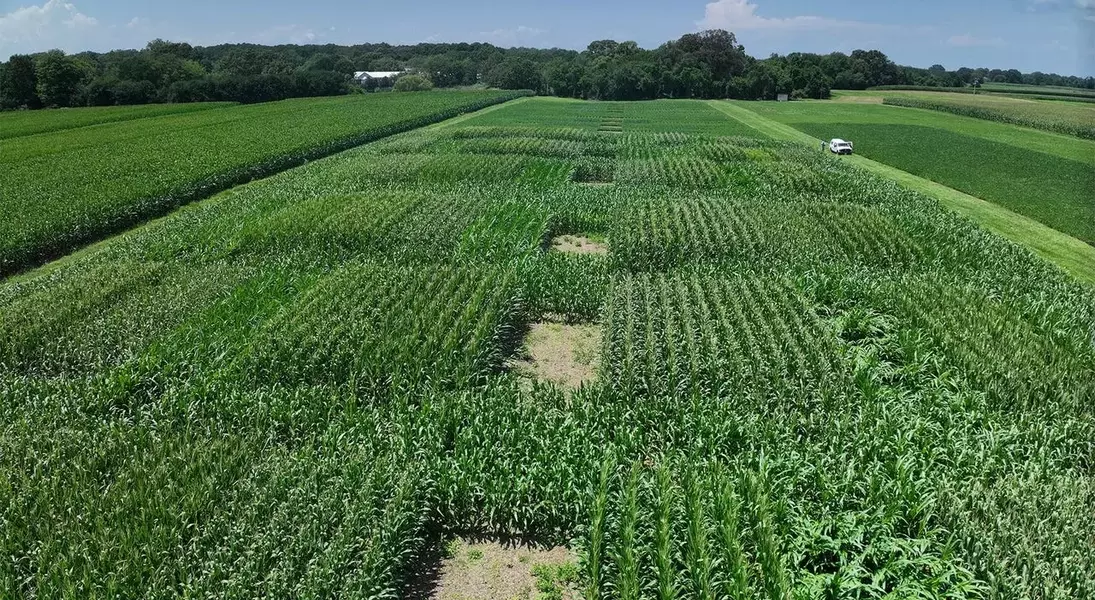
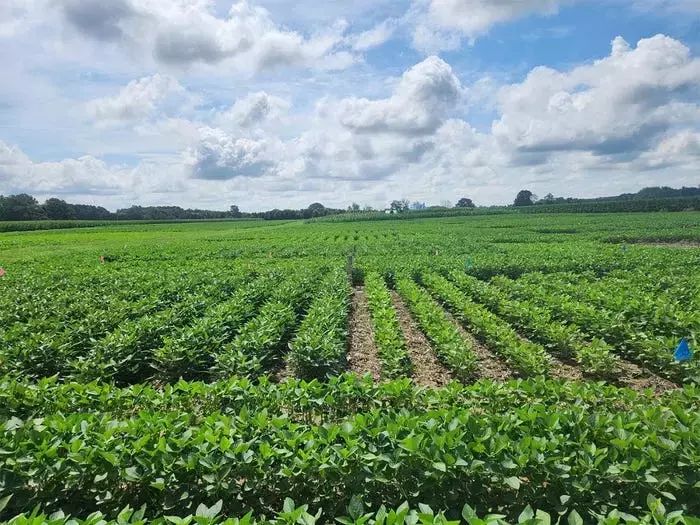
Originating from the University of Nebraska-Lincoln, the TAPS program has expanded to include states like Maryland, marking its first presence on the East Coast. Participants in the Maryland program, comprising ten corn teams and twelve soybean teams, manage virtual 100-acre fields. They make critical decisions regarding crop varieties, seeding densities, and nitrogen application rates, with ranges from 32,000 to 40,000 plants per acre for corn, and 75,000 to 150,000 plants per acre for soybeans. Nitrogen rates vary from 80 to 250 pounds per acre. These decisions are implemented in small, replicated plots at the Wye Research and Extension Center, where University of Maryland Extension staff meticulously manage the physical experiments. This hands-on, data-driven approach allows farmers to observe the direct consequences of their choices in a realistic yet risk-free setting, fostering a dynamic learning environment that transcends theoretical knowledge and bridges the gap between academic research and practical application.
Strategic Risk-Taking and Market Dynamics
Beyond optimizing yields, the TAPS program encourages participants to engage with the economic realities of farming by integrating various crop insurance and marketing strategies into their experimental plans. Teams are free to choose from low to high crop insurance options, or even forgo coverage entirely, simulating real-world financial scenarios. Additionally, they explore different marketing avenues, such as forward-contracting or cash sales, to understand how these decisions influence profitability. This comprehensive approach ensures that farmers not only learn about optimal growing conditions but also develop a keen sense of market timing and risk management, which are crucial for long-term success.
The program culminates in a detailed profitability assessment, where experimental plots are scaled up to represent 100-acre fields. Winners are recognized not just for the highest yields but also for achieving the most profitable and nutrient-efficient outcomes. Early observations from the program highlight the significant advantages of early planting, with plots established earlier showing noticeably advanced vegetative growth and promising yield benefits. This real-world evidence reinforces the importance of timely agricultural operations and strategic planning. The TAPS initiative serves as a vital platform for farmers to “play around” with high-stakes decisions in a safe environment, gaining insights that they might otherwise be hesitant to implement on their commercial farms. This unique blend of agronomic experimentation and financial modeling equips participants with a holistic understanding of farm management, preparing them for the complexities of modern agriculture. A field day scheduled for August 27 at the Wye Research and Education Center will further showcase these innovative practices and research findings.
