Ryan Murphy and Matthew Hodgson's latest series, "The Beauty," offers a unique blend of science fiction and body horror, distinguished by its memorable and often theatrical dialogue. The show adeptly balances serious themes, such as anxieties stemming from the post-COVID era and the ethical dilemmas surrounding pharmaceutical companies, with an underlying comedic tone that is characteristic of Murphy's previous works. The effectiveness of the dialogue is largely determined by the narrative's central concept, the depth of its characters, and the contemporary context of its release, showcasing how these elements combine to create a compelling viewing experience that is both thought-provoking and entertaining. From sharp one-liners to profound character exchanges, the writing style navigates between the absurd and the poignant, creating a dynamic narrative that invites audience engagement beyond the typical horror genre.
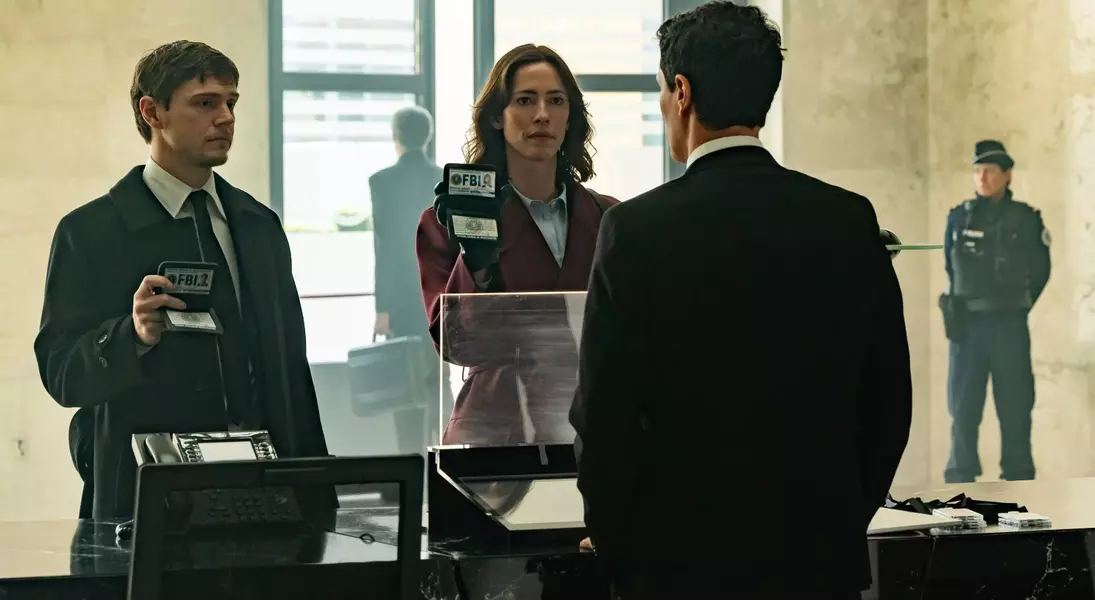
The series, which follows FBI agents as they unravel a mysterious virus transforming individuals into physically perfect yet terrifying beings, uses its dialogue to explore the fine line between the absurd and the insightful. While some critics might find the language overtly mannered or even divisive, it undeniably serves as a cornerstone of the show's identity. Moments of comedic brilliance emerge from unexpected places, often through characters who embody different facets of human nature, from the self-pitying to the sadistically wealthy. This approach allows "The Beauty" to critique societal obsessions with perfection and the moral compromises made in its pursuit, all while maintaining a satirical edge. The show leverages its distinctive linguistic style to both entertain and provoke thought, ensuring that its memorable lines resonate with an audience accustomed to viral media moments.
The Dual Nature of Dialogue in "The Beauty"
Ryan Murphy's signature style of dialogue, often characterized by its sharp wit and theatrical flair, finds a potent new vehicle in "The Beauty." This science fiction body-horror series, co-created with Matthew Hodgson, showcases how language can simultaneously explore profound societal issues and deliver comedic relief. The narrative, which centers on FBI agents investigating a sexually transmitted virus that bestows physical perfection at a terrifying cost, uses its conversational exchanges to navigate serious topics like post-pandemic anxieties and the ethical quandaries of the pharmaceutical industry. Yet, it never loses sight of its fundamentally unserious, almost satirical core. The dialogue's ability to be both pointedly critical and refreshingly humorous is a testament to the creators' skill in crafting a script that defies easy categorization, making every line a potential talking point.
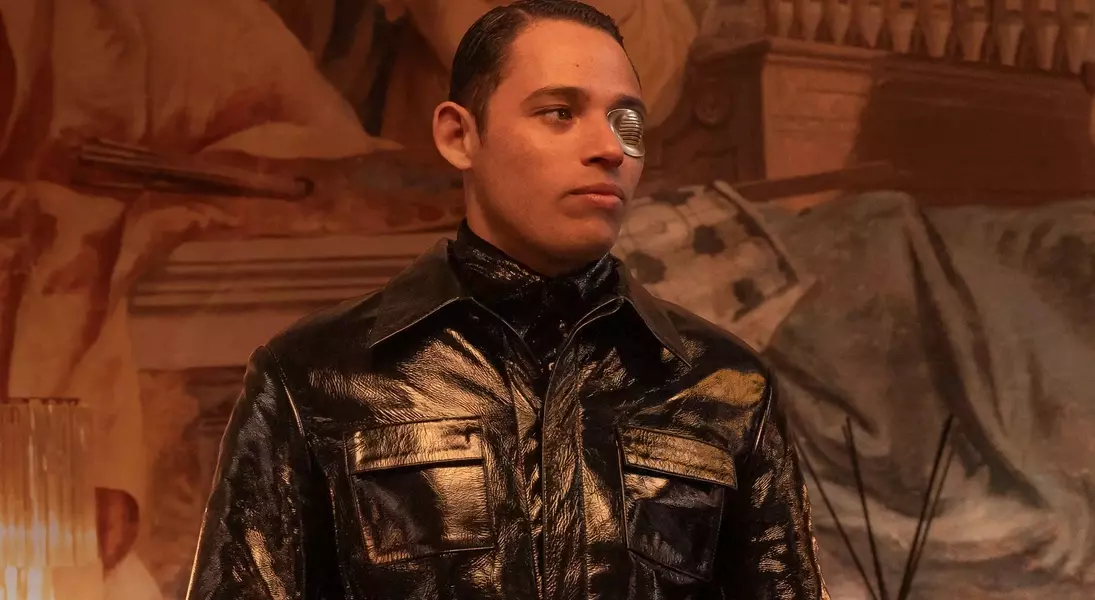
The reception of Murphy's dialogue has always been polarized, and "The Beauty" is no exception. Its blend of high drama and irreverent humor, delivered through often exaggerated speech, tends to elicit strong reactions. However, the show cleverly anchors its more outlandish lines within the personalities of its diverse cast, preventing the dialogue from becoming merely cringeworthy. For instance, the banter between lead FBI agents Cooper Madsen and Jordan Bennett, despite its occasional crudeness, is imbued with a genuine emotional gravity that elevates their quippy exchanges beyond mere camp. Similarly, characters like Jeremy, initially presented as a caricature, deliver lines that, while comically over-the-top, also reveal underlying social commentaries. This nuanced approach ensures that even the most sensational lines serve a purpose, contributing to the show's unique charm and its capacity to resonate with an audience that appreciates both the absurd and the subtly profound.
Language as a Lens: Exploring Character and Culture
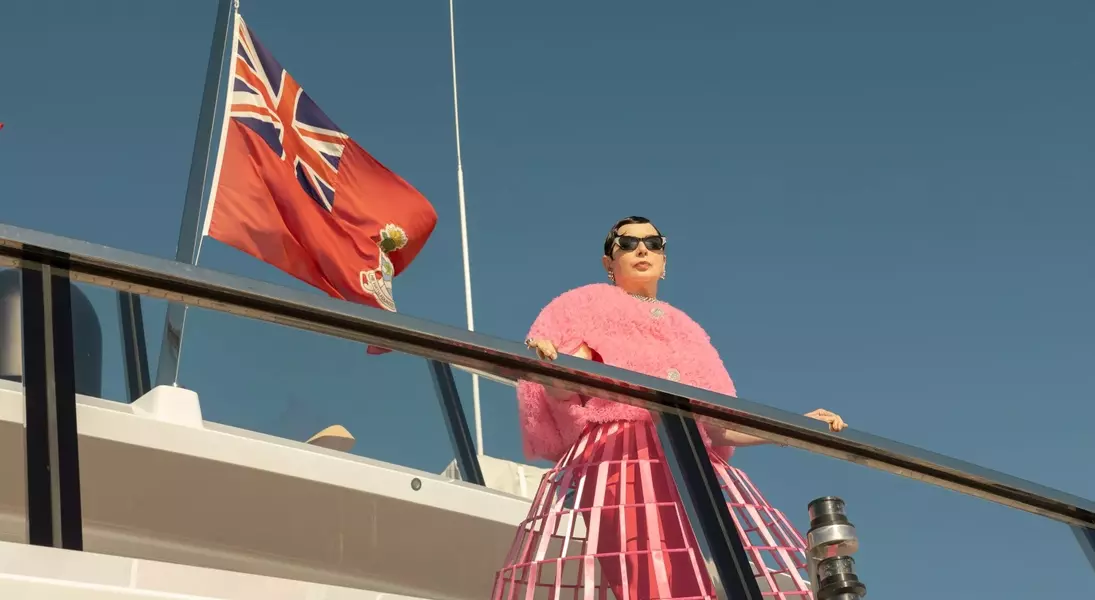
In "The Beauty," dialogue serves as more than just a means of communication; it acts as a critical lens through which the series explores its characters' inner lives and comments on broader cultural phenomena. The show's creators masterfully employ varying linguistic styles to differentiate between social strata and psychological states. From the grounded, albeit snarky, exchanges of the FBI agents to the overtly sadistic repartee of the ultra-wealthy, each character's speech pattern is meticulously crafted to reflect their worldview and societal position. This deliberate use of language not only enhances character development but also injects the series with a unique satirical edge, allowing it to critique contemporary obsessions with physical perfection and the superficiality of certain social circles. The interplay between these distinct voices creates a rich tapestry of human experience, albeit one viewed through a darkly comedic filter.
The series also demonstrates a keen awareness of how language evolves and how its impact changes over time. By contrasting the dialogue in "The Beauty" with that of earlier works, the article highlights the fluid nature of speech in popular culture. What might have been considered sharp and cutting in one era could feel forced or dated in another. "The Beauty" navigates this challenge by ensuring its dialogue, while often theatrical, remains relevant and impactful, particularly through its memorable one-liners that are ripe for viral dissemination. These catchy snippets, whether they express profound cynicism or hilarious self-absorption, are designed to resonate with a modern audience accustomed to the bite-sized, shareable nature of social media content. Ultimately, the show's dialogue is a powerful tool for both entertainment and social commentary, inviting viewers to laugh, cringe, and ponder the deeper implications of its visually striking and verbally vibrant world.
