Microsoft is currently engaged in a comprehensive evaluation of artificial intelligence tools, encouraging its employees to explore alternatives to its flagship Copilot AI for coding tasks, including Anthropic's Claude. This strategic move, supported by substantial investments and partnerships, aims to identify the most effective AI solutions for its diverse product ecosystem.
Exploring Beyond the Horizon: Microsoft's Open-Minded AI Quest
Microsoft's Internal Evaluation of AI Coding Tools
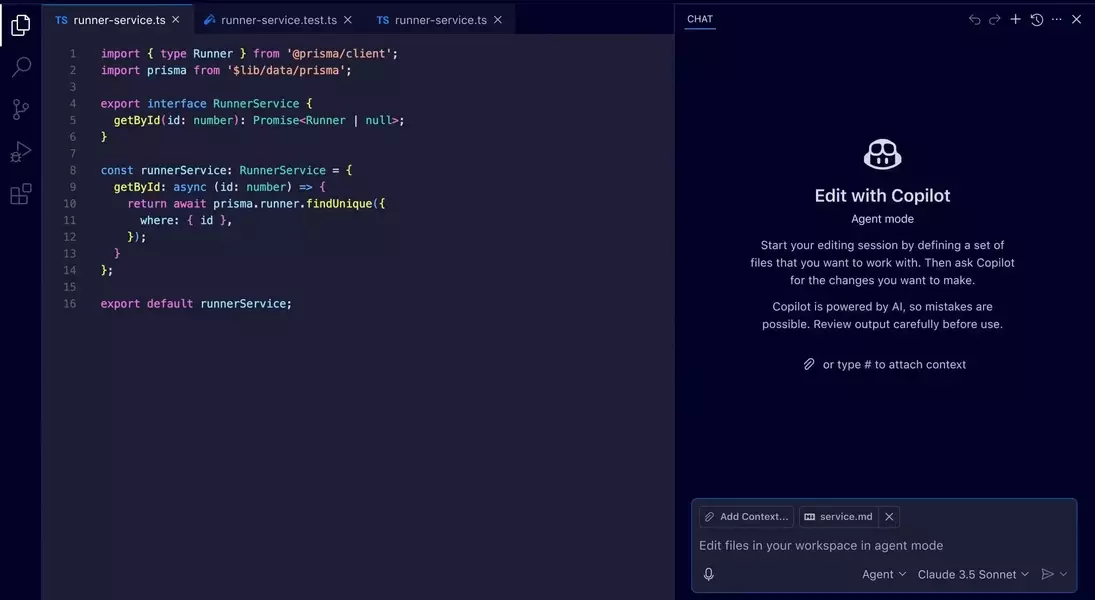
Despite its public endorsement of Copilot, Microsoft is reportedly fostering an internal environment where its staff, particularly within key divisions like Windows and Office 365, are encouraged to experiment with various AI coding tools. This includes not only their own GitHub Copilot but also Anthropic's Claude, and OpenAI's GPT-5, signifying a proactive approach to technology assessment rather than exclusive reliance on in-house solutions.
The Genesis of the AI Experimentation Program
This initiative traces its origins back to last year, initially focusing on the developer division. The evaluation led to Claude Sonnet 4 being chosen as the AI backbone for paid users of GitHub Copilot, though other options remain accessible. Now, this program has expanded to include all employees within the 'Experiences + Devices' sector, encompassing products like Windows and Surface, even those without prior coding expertise, underscoring a broad push for AI integration and feedback.
Shaping Copilot's Future: Employee Feedback as a Key Driver
A core aspect of this widespread experimentation is the expectation that employees, especially those with coding experience, will provide critical feedback on the performance of Claude versus Copilot. This data is poised to be instrumental in guiding Microsoft's strategic decisions regarding the underlying AI model for Copilot, ensuring that the company's offerings are powered by the most capable and efficient technologies available.
A Pragmatic Approach to Competitive Intelligence
While some might find it counterintuitive for Microsoft to promote a competitor's product, this strategy aligns with common business practices where companies assess rival offerings for improvement. However, this scenario carries unique implications given Microsoft's vigorous promotion of Copilot, which has positioned it as a leading AI tool. This internal testing reveals a pragmatic commitment to excellence, even if it means acknowledging the strengths of external innovations.
Strategic Alliance: Microsoft's Investment in Anthropic
The company's engagement with Anthropic extends beyond mere evaluation. Last November, Microsoft, alongside Nvidia, announced a significant strategic partnership with Anthropic, involving a substantial $5 billion investment from Redmond. This financial commitment is complemented by Anthropic's pledge to utilize $30 billion worth of Microsoft's Azure compute services, cementing a robust symbiotic relationship designed to foster mutual growth and technological advancement.
Maintaining the Partnership with OpenAI Amidst New Alliances
This exploration into Anthropic's capabilities raises questions about Microsoft's long-standing relationship with OpenAI, a company that has also received considerable investment from Microsoft. Despite the emerging collaboration with Anthropic, Microsoft has affirmed that OpenAI remains its primary partner for advanced frontier models. This indicates a strategy of diversified partnerships, leveraging the distinct strengths of each AI developer while maintaining core alliances.
The Broader Implications for Software Engineering
Ultimately, the ongoing developments in AI, and Microsoft's proactive engagement with various models, transcend financial considerations and strategic alliances. They point to a transformative period for software engineering. The potential for AI agents and non-experts to contribute to coding through "vibe-coding" raises profound questions about the evolving role of professional coders and the future landscape of software development.
