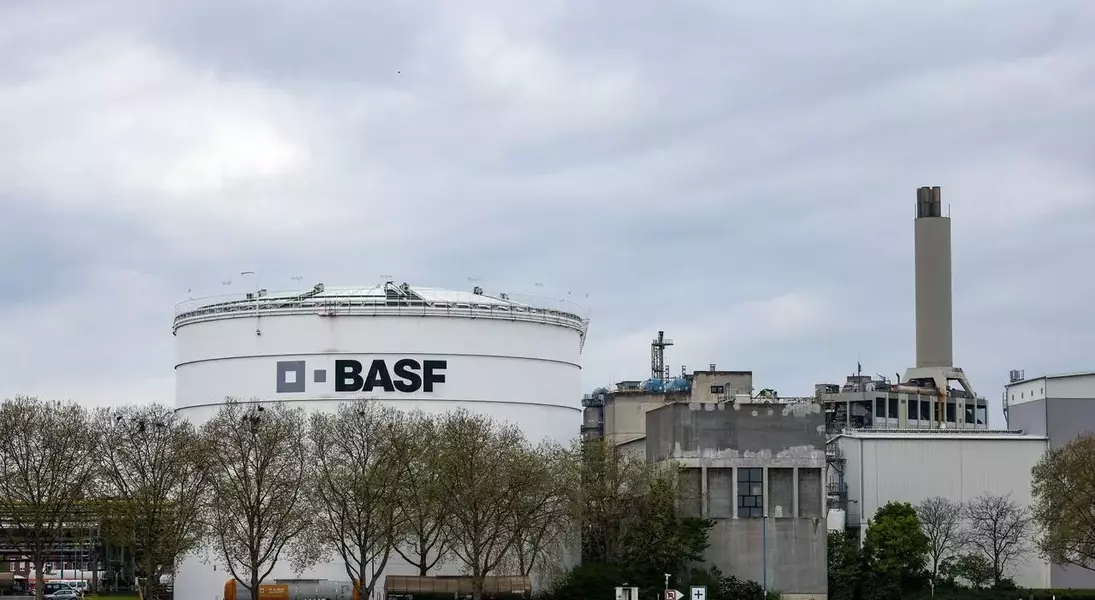
BASF, a leading chemical manufacturer, has recently adjusted its financial projections for the current fiscal year, attributing the revised outlook to the adverse effects of trade tariffs imposed by the U.S. and a broader climate of global economic uncertainty. This recalibration highlights the precarious nature of international commerce and how geopolitical factors can directly impede corporate performance. The company's decision follows a challenging quarter marked by diminished sales and pricing pressures, signaling a tougher landscape for industrial sectors reliant on robust global trade flows.
This development sends a clear message across various industries: the interconnectedness of the global economy means that trade policies and regional downturns can reverberate far and wide. The challenges faced by BASF, a bellwether in the chemical industry, reflect a wider trend affecting manufacturers worldwide. Companies are now compelled to reassess their supply chains, market strategies, and overall risk exposure in an environment where trade barriers are becoming increasingly prevalent, potentially leading to significant shifts in global production and consumption patterns.
Tariffs and Economic Headwinds Impact BASF's Financial Health
BASF, the German chemical behemoth, has lowered its earnings forecast for the year, a direct consequence of rising U.S. tariffs and pervasive global economic uncertainties. The company now expects its earnings before interest, tax, depreciation, amortization, and special items to range from €7.3 billion to €7.7 billion, a reduction from its previous guidance of €8 billion to €8.4 billion. This downward revision underscores the significant financial strain exerted by external economic pressures, particularly those stemming from international trade disputes. The preliminary figures for the second quarter reveal a 9.7% drop in earnings compared to the previous year, primarily due to lower prices and unfavorable currency exchange rates. These factors collectively illustrate a challenging operating environment for a company deeply embedded in the global supply chain.
The current economic climate, characterized by high energy costs and softened demand, especially in the crucial Chinese market, has disproportionately affected industrial manufacturers like BASF. German companies, with their strong reliance on exports, are particularly susceptible to the imposition of tariffs. This situation is not unique to BASF; other major chemical groups, such as Covestro AG, have also announced similar reductions in their outlook, indicating a sector-wide vulnerability. With over a quarter of its sales originating from North America, BASF's profitability is intrinsically linked to trade relations and consumer demand in that region. The company explicitly stated that global economic growth is projected to be lower than anticipated, largely due to the tariffs announced in early April and the subsequent market instability. This confluence of factors is expected to continue pressuring demand for chemical products and squeezing profit margins across the industry.
Strategic Adjustments Amidst Market Volatility
In response to these daunting economic challenges, BASF’s Chief Executive Officer Markus Kamieth is spearheading a comprehensive restructuring effort. The strategic overhaul aims to streamline operations by concentrating on the core chemical, industrial, and nutrition segments. This reorientation involves divesting assets from other business units, including its agriculture and battery materials divisions, to enhance focus and efficiency. The company is also implementing significant cost-cutting measures, exemplified by the closure of smaller production units at its Ludwigshafen site, which is Europe's largest chemical plant. These actions are designed to fortify BASF's financial resilience and adapt to the evolving global economic landscape, ensuring its long-term viability.
This strategic pivot is a crucial step for BASF to navigate the turbulent waters of international trade and demand fluctuations. By refining its core competencies and optimizing its operational footprint, the company seeks to mitigate the impact of external shocks. The divestment of non-core assets and the implementation of cost controls are standard but essential responses to challenging market conditions, enabling BASF to allocate resources more effectively to its most promising areas. The proactive measures taken by the leadership reflect a realistic assessment of the current economic environment, where geopolitical tensions and fluctuating demand necessitate agility and strategic repositioning. As global trade dynamics continue to shift, BASF's ability to adapt and execute these changes will be critical to its success in maintaining its market leadership and achieving sustainable growth.
