The agricultural landscape experienced notable shifts this past week, particularly with an unexpected upturn in soybean quality, as detailed in the latest United States Department of Agriculture (USDA) report. This positive development occurred amidst steady corn ratings and the concluding stages of the winter wheat harvest. The report provides key insights into the physiological progression of various crops, offering valuable information for market analysis and future agricultural planning.
Detailed Agricultural Progress Across the Nation
The USDA's comprehensive crop progress report, issued on a tranquil Monday afternoon, meticulously documented the state of major agricultural commodities as of July 13. Farmers and market analysts alike observed with keen interest the week's advancements. The most striking revelation was the robust improvement in soybean conditions, which saw a remarkable four-point increase in quality ratings, surpassing even the most optimistic projections from agricultural experts. This surge indicates a healthier, more vigorous crop than previously anticipated. In contrast, corn quality evaluations maintained a consistent trajectory, aligning with prior forecasts. Meanwhile, the winter wheat harvest, a critical annual endeavor, was nearing its successful conclusion, with nearly two-thirds of the crop already gathered from the fields.
Delving deeper into the specifics, corn's health metrics remained unvaried throughout the week. A substantial 57% of the corn crop continued to be categorized as good to excellent, reflecting stable growing conditions. The fair category held firm at 21%, while a minor 5% of the crop remained in poor or very poor condition, consistent with previous assessments. From a physiological standpoint, over a third of the corn (34%) had entered the silking phase, marking a significant progression from the previous week's 18%. This development slightly outpaced the historical five-year average of 33%. Furthermore, 7% of the corn crop had advanced to the dough stage, an increase from 3% the week prior, also modestly ahead of the past five-year average of 5%.
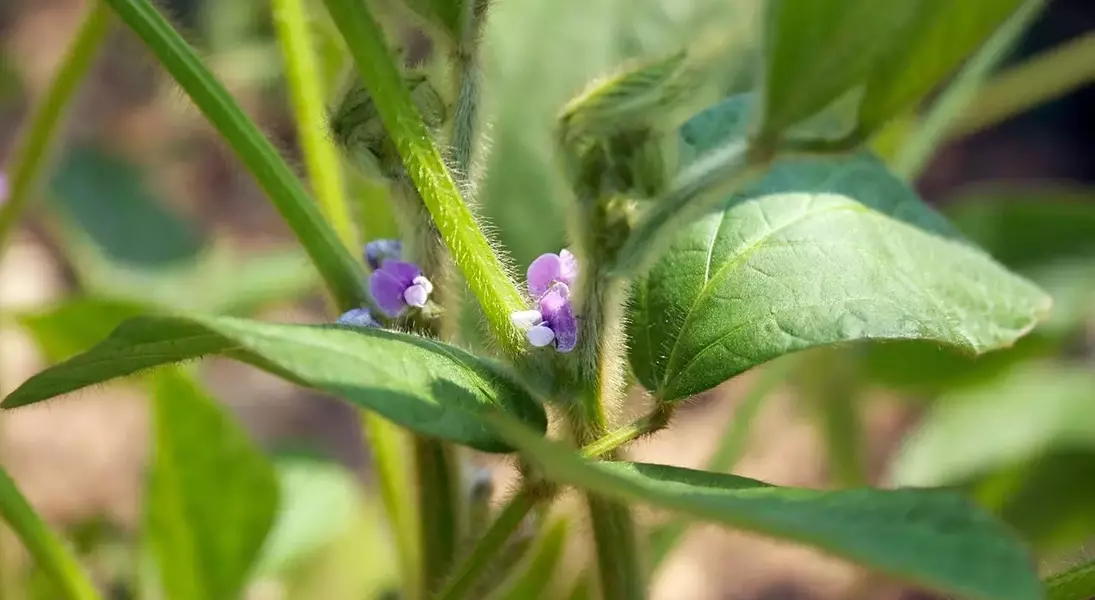
The soybean sector truly shone, with an impressive 70% of the crop now boasting good to excellent ratings. This substantial leap defied analyst expectations, which had pegged the increase at a mere one point. The proportion of soybeans rated fair decreased by two points to 25%, and those in poor or very poor condition also saw a two-point reduction, settling at 5%. Physiologically, almost half of the soybean plants (47%) were in full bloom, a considerable rise from the preceding week's 32% and perfectly in line with the five-year average. Additionally, 15% of the crop had begun setting pods, up from 8% last week and slightly ahead of the historical five-year average of 15%.
As the winter wheat harvest moved beyond the halfway mark, the USDA ceased its detailed quality assessments. By Sunday, the harvest had reached 63% completion, climbing from 53% a week earlier. This pace, while steady, lagged slightly behind last year's 70% and marginally trailed the five-year average of 64%.
For spring wheat, quality ratings also showed a positive trend, improving by four points. A robust 54% of the crop was now rated good to excellent. The fair category represented 33% of the crop, a two-point decrease from the previous week, and the poor to very poor category also saw a two-point drop, now standing at 13%. In terms of development, 78% of the spring wheat had headed by July 13, an increase from 61% last week. This progress was three points ahead of the previous year's pace and one point ahead of the average over the last five years.
Reflections on Agricultural Resilience and Market Dynamics
The latest USDA report underscores the dynamic and often unpredictable nature of agriculture. The unexpected rise in soybean quality serves as a powerful reminder of the resilience of nature and the potential for positive surprises even in the face of various environmental and economic pressures. For farmers, this news offers a much-needed morale boost and could translate into more favorable market conditions. From a broader perspective, these detailed reports are indispensable for understanding the intricate balance of crop health, development, and market implications. They provide critical data that informs strategic decisions for growers, policymakers, and traders alike, highlighting the importance of continuous monitoring and adaptive agricultural practices to ensure food security and economic stability in the sector.
