The agricultural sector is undergoing a profound transformation, with autonomous technology at its forefront. This shift, driven by decades of innovation and the increasing pressures of modern farming, signals a new era for cultivation. Industry leaders emphasize that the journey toward agricultural autonomy is not merely a technological upgrade but a fundamental re-evaluation of farming practices, promising to redefine efficiency and sustainability. The integration of advanced systems and machinery is poised to address critical challenges such as labor scarcity and escalating operational expenses, paving the way for a more resilient and competitive future in food production.
Agricultural Autonomy: Navigating the Future of Farming
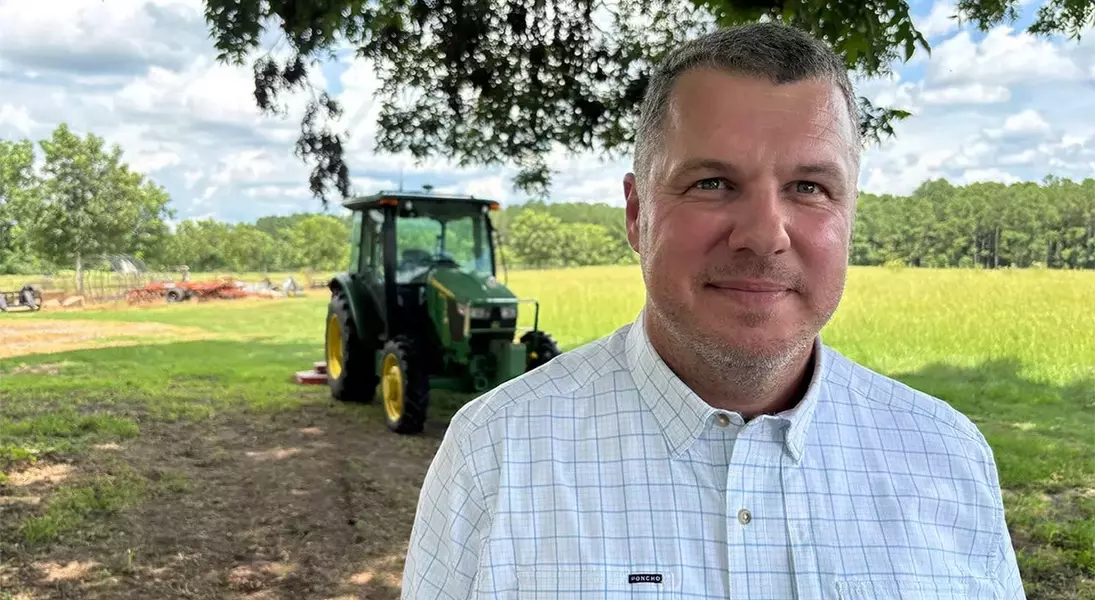
In a compelling interview conducted in the vibrant city of Cordele, Georgia, on August 1, 2025, Brian Kelley, the visionary founder of Ag Technologies and a veteran with nearly three decades of experience in precision technology, shed light on the burgeoning role of autonomous solutions in modern agriculture. Kelley detailed how the evolution of farming, from the advent of the tractor to the widespread adoption of electronic control units and GPS-based guidance, has laid an undeniable foundation for today's autonomous capabilities. He pointed out that while the technological building blocks are firmly in place, the true challenge lies in the human element—the willingness of farmers to embrace and adapt to these operational changes, moving beyond conventional models of 'bigger equipment, fewer people.'
Kelley articulated that the push towards automation is an imperative response to mounting external pressures, including soaring input costs and a significant deficit in available agricultural labor. Autonomy offers a powerful solution, enabling fewer, highly skilled individuals to oversee larger expanses of land and manage more complex tasks. He underscored that this transition is critical for maintaining the sector's competitiveness and sustainability, particularly as traditional agrarian societies with abundant manual labor become a relic of the past. Looking ahead, Kelley foresees a diverse adoption landscape across the Southern U.S., with segments like sod and turf production leading the charge due to their high labor demands and repetitive operational structures. He also anticipates that high-horsepower crop operations will increasingly explore autonomous fleets of smaller, task-specific machinery, driven by the dual benefits of mitigating labor shortages and managing the escalating costs associated with traditional equipment. This strategic shift, marrying economic viability with a progressive outlook, will distinguish forward-thinking growers in the coming five to ten years.
The discourse on agricultural autonomy, as illuminated by Brian Kelley, serves as a poignant reminder that innovation in farming is an ongoing, dynamic process. It's not just about adopting new gadgets; it's about fundamentally rethinking how we produce food in the face of evolving global challenges. For me, as an observer, this conversation underscores the immense potential of technology to not only enhance productivity but also to foster a more sustainable and economically resilient agricultural system. It encourages a broader perspective on what 'progress' truly means in this vital industry—it's a blend of technological prowess and human adaptability, continually striving for efficiency while navigating the complexities of our changing world.
