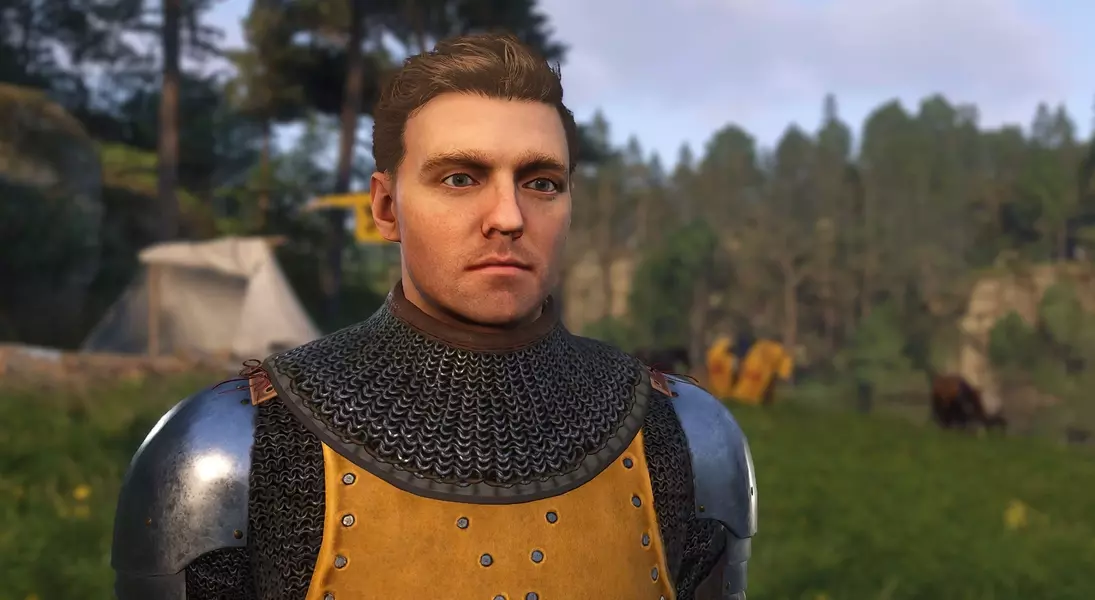
The integration of artificial intelligence into the video game industry, particularly for localization tasks, is becoming a contentious issue. Recently, a former developer from Warhorse Studios, the team behind the critically acclaimed Kingdom Come: Deliverance 2, disclosed that his role in translation and localization was terminated and subsequently replaced by AI. This event has ignited further discussions within the gaming community about the implications of generative AI on human employment and the creative process in game development.
Max Hejtmánek, a Czech-to-English translator and editor, publicly shared his experience on Reddit, stating that he was unexpectedly dismissed from Warhorse Studios on March 27, 2026. Hejtmánek, who contributed significantly to the dialogue, quest logs, item descriptions, and marketing materials for Kingdom Come: Deliverance 2 and its downloadable content, expressed his shock. He recounted being informed that his position was deemed "obsolete" in an effort to enhance "company effectiveness" and achieve "financial savings" by transitioning to AI-powered translation for all future projects. This decision came despite his strong, vocal opposition to the use of AI for translation in past internal discussions.
Hejtmánek's LinkedIn profile corroborates his tenure at Warhorse Studios from July 2022 to March 2026, and his claims have been verified by moderators of the Kingdom Come subreddit. As of now, Warhorse Studios has not issued an official statement regarding these allegations. This incident underscores a broader trend where game developers are increasingly facing scrutiny and backlash over the implementation of generative AI in various aspects of game creation. The debate intensifies as AI technology continues to advance, promising efficiency and cost reduction but also raising concerns about job displacement and the potential impact on artistic integrity.
The deployment of AI by game developers remains a highly polarizing subject. While artificial intelligence technologies are prominently featured at industry events like the Game Developers Conference (GDC), their practical application often meets with considerable resistance. For instance, just recently, the game Crimson Desert drew criticism for incorporating generative AI in its in-game art assets. This pushback reflects a deep-seated apprehension within the creative community regarding the perceived erosion of human artistry and expertise.
Kingdom Come: Deliverance 2, which launched to widespread critical acclaim in February 2025, even garnered nominations for prestigious awards such as Best Narrative, Game of the Year, and Best Role-Playing Game at The Game Awards 2025. Given its success and narrative depth, the news that AI will be used in any facet of its creative writing process, even if limited to language translation, has been met with disappointment by many. This strategic shift by Warhorse Studios, however, might not be entirely unexpected, especially considering the studio head's recent defense of Nvidia's DLSS5 AI technology, which has also faced considerable criticism.
The unfolding situation at Warhorse Studios serves as a critical case study in the ongoing integration of AI into creative industries. While the economic incentives for adopting AI are clear, the human cost, particularly in terms of job security for skilled professionals like translators and writers, is a growing concern. This delicate balance between innovation and preserving human talent will likely continue to be a central theme as AI further permeates various sectors of the global economy.
