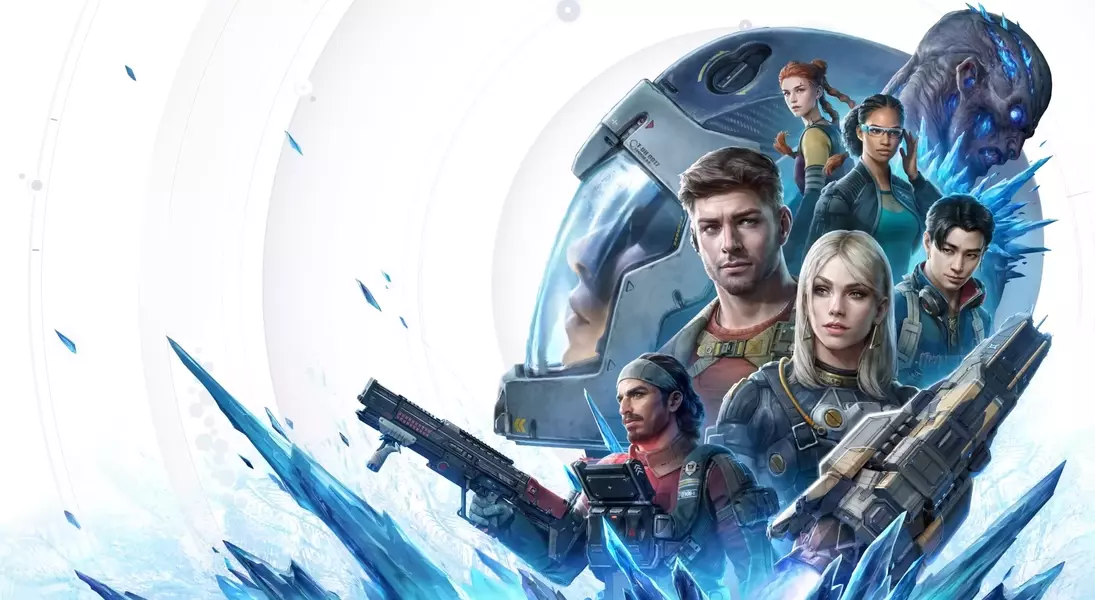
Owlcat Games, a prominent developer in the CRPG genre, has recently issued a statement regarding the application of generative artificial intelligence in the production of their forthcoming action RPG, 'The Expanse: Osiris Reborn'. This announcement comes in response to growing concerns within the gaming community about the increasing integration of AI technologies in game development. The studio aims to clarify its position, emphasizing that while AI tools play a role in early developmental stages, the ultimate creative output presented to players will be exclusively the result of human artistry and effort. This stance reflects a delicate balance between leveraging technological advancements for efficiency and preserving the traditional artistic integrity valued by many gamers.
Katharina Popp, the PR manager for Owlcat, shed light on the studio's approach in an interview with Eurogamer. She stressed that generative AI is not employed for crafting any final in-game elements. Instead, its utility is confined to areas such as prototyping, exploratory trials, and the generation of temporary placeholders. These AI-created components are explicitly intended to be superseded by human-designed content before the game's release. Popp further elaborated that the primary objective behind using AI is to accelerate the iterative process of development. She also provided assurances that AI is not being used for scriptwriting or generating voice acting, reaffirming that the complete and finished version of the game will feature content meticulously crafted by human talent.
This explanation from Owlcat aligns with previous communications from the studio. Approximately two years prior, in response to a social media post on X by user anafigreen—who highlighted a job listing for a concept artist at Owlcat that mentioned “concept generation using AI” as a task—the company clarified its use of AI. At that time, Owlcat stated that AI would be exclusively leveraged for supplementary work on concepts and streamlining internal workflows, not for the creation of definitive art assets. Examples provided included facilitating creative exploration, providing inspiration, or ensuring conceptual coherence prior to the commencement of actual conceptualization. However, the distinction between "inspiration," "creative search," and "conceptualization" remains a point of discussion, especially given the rich source material available from 'The Expanse' TV series and novel series. Despite the availability of such detailed lore, the necessity of AI for initial concept development has been questioned by some.
The current situation with Owlcat is not an isolated incident in the gaming industry. Several other game developers have faced similar debates concerning the use of AI in their projects. For instance, when players identified AI-generated art in 'Crimson Desert', the developer Pearl Abyss explained that these were merely prototypes slated for replacement. 'Anno 117: Pax Romana' and 'Clair Obscur: Expedition 33' offered comparable justifications in response to their own controversies. Even Larian Studios, renowned for its CRPGs, partially disavowed generative AI art tools after acknowledging their use in the preliminary ideation phases of development, following a negative reaction from their fanbase.
The gaming community's reaction on social media platforms like Bluesky and Reddit reflects a strong sentiment against the use of generative AI in creative processes. Users such as tickdowntozero and Dylan Macri have voiced their dissatisfaction, highlighting the perceived contradiction in claiming "100% human-made" content while simultaneously employing generative AI. Others, like Reddit user Cold-Engineering-960, express a sense of unease, viewing AI prototyping as an "expedited way to get inspiration" that still feels ethically dubious, particularly in light of concerns about AI models being trained on potentially unauthorized content. This ongoing dialogue underscores a broader industry-wide challenge: how to responsibly integrate AI into creative pipelines without alienating a player base that deeply values genuine human artistic contribution.
The recurring narrative across various gaming studios suggests a pattern of developers utilizing AI for preliminary or placeholder tasks, consistently reassuring their audiences that all final game content will be produced by human artists. This trend has sparked significant debate, as many players remain skeptical, arguing that any involvement of generative AI, even in early stages, compromises the integrity of the creative process. The challenge for game developers lies in transparently communicating the precise role of AI in their workflows and demonstrating a clear commitment to human creativity in the ultimate product, in order to maintain trust and enthusiasm within their dedicated communities.
