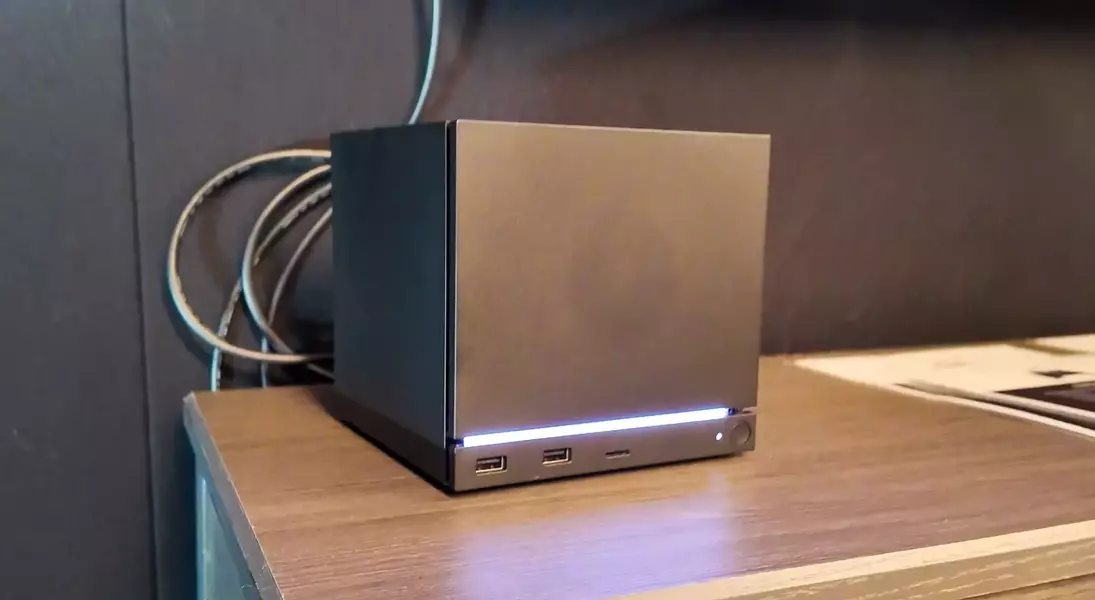
Microsoft's ambitious Project Helix is emerging as a pivotal development in the gaming world, proposing a convergence of Xbox and PC gaming experiences. While the specifics of its implementation remain somewhat veiled, the initiative promises gamers increased flexibility and a broader spectrum of play options. This strategic direction, however, prompts critical discussions about the long-term viability of dedicated Xbox consoles and Microsoft's position within the fiercely competitive gaming hardware sector. The evolving landscape suggests a future where the traditional distinctions between gaming platforms may become increasingly blurred.
Project Helix is envisioned as a bridge between Windows-based personal computers and conventional Xbox systems, potentially offering a unified gaming environment. Unlike the closed ecosystems of current-generation consoles like the Xbox Series X, Project Helix could unlock greater creative autonomy for developers and diverse gameplay avenues for users. This approach positions the new platform in direct competition not only with rival console manufacturers such as Sony and Nintendo but also with existing PC gaming hardware, including Steam Machines and pre-built gaming PCs. From one perspective, this innovation holds the promise of a sophisticated and versatile gaming device. Yet, it simultaneously casts a shadow of uncertainty over the traditional Xbox brand, contributing to an ongoing narrative of shifting market strategies, such as the Xbox Play Anywhere initiative, the dwindling number of exclusive titles, and an increasingly ambiguous unique selling proposition for Xbox.
Microsoft benefits from several inherent advantages in its endeavor to fuse PC and Xbox gaming. Historically, Xbox consoles have operated as 'loss leaders,' with Microsoft recouping costs and generating profits through software licensing, digital content sales, and ancillary hardware. This business model allows Project Helix to potentially offer a PC-like experience, complete with integrated Xbox branding and incentives from the Xbox Store, at a more competitive price point than custom-built gaming PCs, which must generate profit directly from hardware sales.
With a provisional launch window spanning late 2027 to 2028, Project Helix's development timeframe coincides with an ongoing memory chip shortage, exacerbated by the demands of artificial intelligence. Industry leaders, including Micron and SK Hynix, anticipate that supply will continue to lag behind demand for several years. Paradoxically, this challenging market condition could inadvertently benefit Microsoft. As a major corporation with established supply chains and long-term manufacturing agreements, Microsoft possesses the capacity to weather such disruptions. Furthermore, its willingness to absorb initial losses on hardware sales could allow Project Helix to deliver a compelling product at an attractive price. If it successfully provides a Windows-like experience through its Xbox Mode application, Project Helix could present a more appealing alternative to off-the-shelf PCs for many consumers.
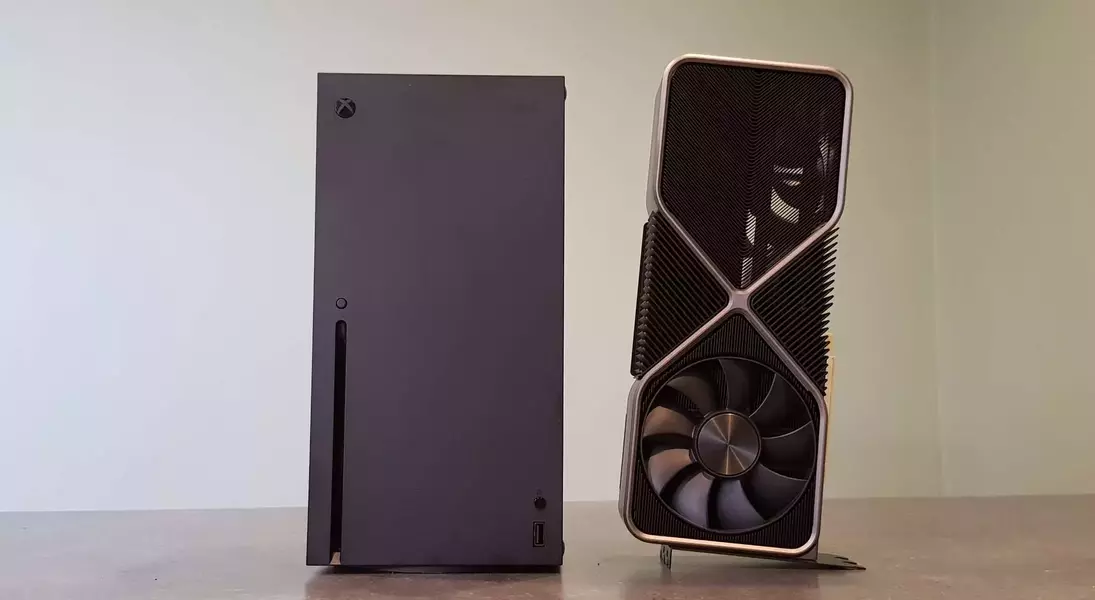
This strategic pivot aligns with Microsoft's recent trajectory. The diminishing pool of genuinely exclusive Xbox titles (excluding backward-compatible games like Lost Odyssey) and the widespread availability of Xbox's game catalog and controllers on PC have lessened the incentive to purchase a dedicated Xbox Series X. What was once justified by ease of use and price at launch has seen its advantages eroded, making the Xbox Series X increasingly resemble a PC, albeit one without access to platforms like Steam or the Epic Games Store.
In contrast, Sony appears to be reinforcing the value of exclusive content for console sales, reportedly scaling back its practice of releasing PlayStation titles on PC. As the PlayStation 6 approaches its release, Sony will likely seek to offer consumers unique gaming experiences unavailable on previous PlayStation models or PC platforms. Project Helix's PC-emulating aspirations, however, could shift its focus away from exclusive titles as its primary draw. Instead, it might excel by providing a highly optimized and seamless experience for PC games, potentially subsidizing costs to appeal to a broader customer base. This shift, in my view, makes Project Helix a more compelling proposition than the current Xbox Series X.
Despite its potential, I remain somewhat unconvinced that Project Helix will fully mitigate the challenges facing Xbox. It raises questions about whether this move signifies a gradual withdrawal from the traditional console market. My previous assertion that "Everything is an Xbox now, so I see no reason to buy Xbox again" still resonates, even after Microsoft discontinued its "This is an Xbox" advertising campaign. While the marketing may have vanished, the underlying sentiment persists: the Xbox ecosystem has expanded across a multitude of devices, rendering the dedicated console less essential for accessing the Xbox experience. However, in shedding its console identity, Xbox could carve out a new niche in the mini-PC market. Project Helix might prioritize user-friendliness and aesthetic design over upgradability, appealing to consumers seeking a streamlined experience. The broader implications for the gaming market are significant, as it could disrupt the established balance. In the console arena, Xbox has historically served as a crucial counterbalance to Sony. Should Xbox transition into a PC manufacturing role, it would become one among many competitors, potentially diminishing its influence as a regulatory force in the console industry.
