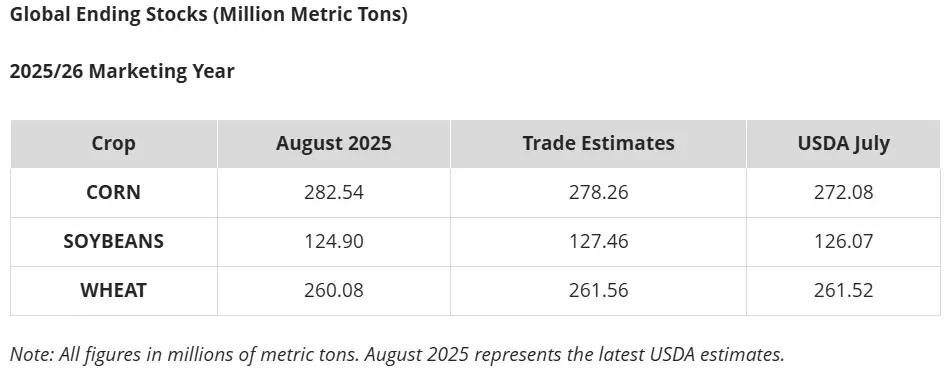

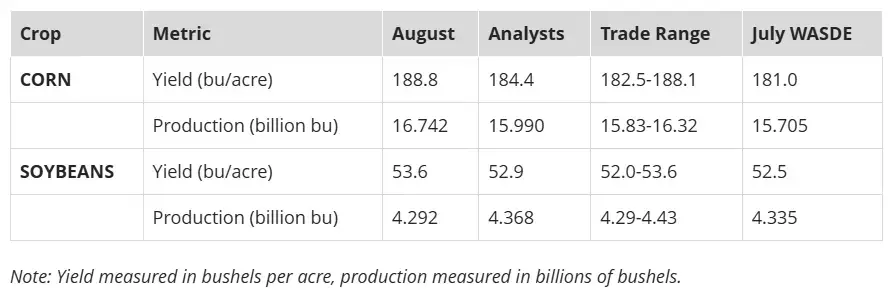
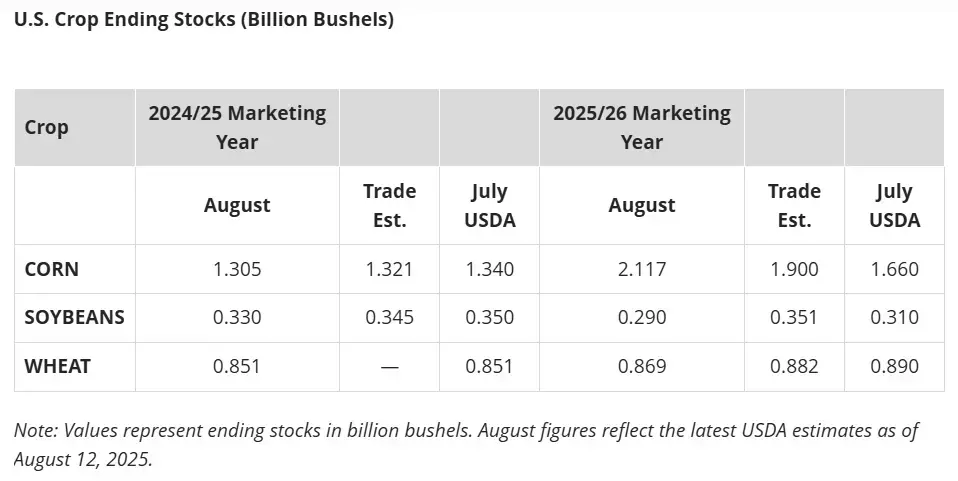
The agricultural commodities landscape witnessed significant shifts recently, primarily influenced by the latest projections from the United States Department of Agriculture (USDA). The corn market, in particular, saw a notable decline in futures prices, plummeting below $4 per bushel. This sharp drop was a direct consequence of the USDA's updated forecast, which predicted an unprecedented corn yield of 188.8 bushels per acre and an overall harvest of 16.74 billion bushels for the U.S. This figure represents a substantial increase from previous estimates, exceeding analysts' expectations and leading to a projected surge in U.S. corn stockpiles to a seven-year high by next summer. This abundant supply is anticipated to maintain strong export demand for U.S. corn, a sentiment echoed by market experts who suggest that while the immediate impact is bearish, competitive pricing will ensure continued global interest.
In stark contrast to the corn market, soybean futures experienced a rally, reaching their highest point in nearly three weeks. This upward movement was driven by the USDA's surprising decision to lower its soybean harvest forecast. Despite an increase in the estimated average yield per acre, the overall projected production was reduced due to a significant cut in planted acreage. This unexpected reduction in supply, coupled with ongoing robust demand for crushing, suggests a tighter market for soybeans. Meanwhile, the wheat market presented a mixed picture; while U.S. wheat production estimates saw a slight downward revision, indicating a potentially smaller domestic supply, the global market remains saturated, keeping futures prices near their five-year lows. Despite this, U.S. wheat exports are projected to hit a five-year high, suggesting a robust demand despite ample global reserves.
These dynamic market conditions highlight the crucial impact of comprehensive agricultural data on commodity pricing and farmer planning. The USDA's detailed surveys, which gather insights directly from producers, are instrumental in shaping market expectations and influencing trading strategies for staple crops. Farmers are encouraged to develop adaptable marketing plans that account for these fluctuating dynamics, rather than solely relying on favorable statistical estimates. Such proactive approaches empower agricultural stakeholders to navigate the complexities of supply and demand, ensuring resilience and profitability in an ever-evolving global food system. Ultimately, the ability to adapt to new information and strategize effectively is key to success in the agricultural sector.
