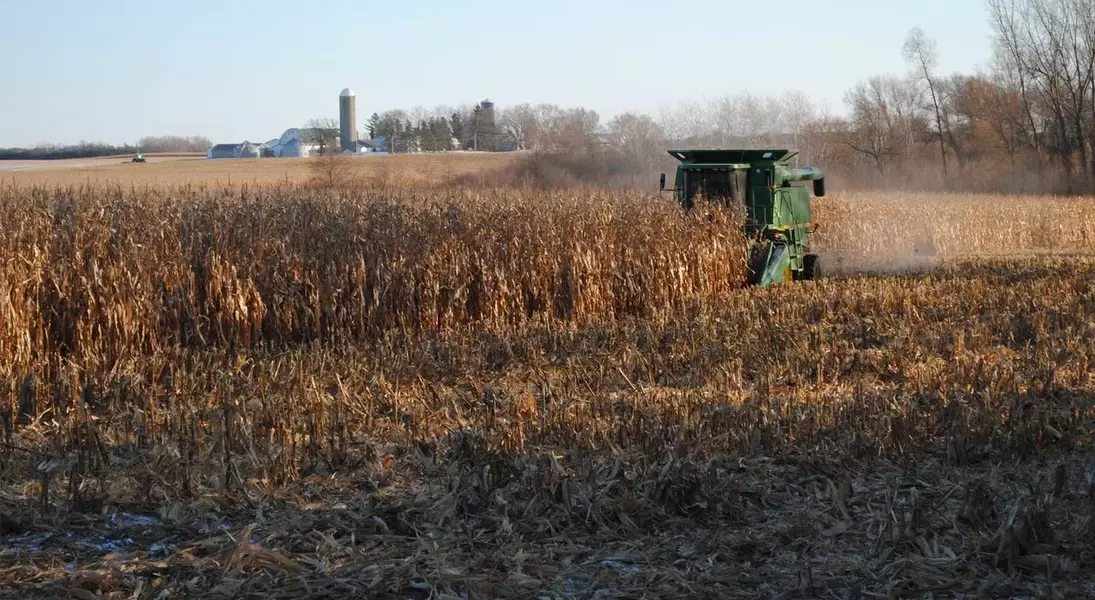
In an agricultural landscape marked by persistent fluctuations, farmers face a perennial dilemma: how to best allocate resources between essential equipment upgrades and the critical task of debt reduction. This challenge is particularly acute when commodity prices are depressed, compelling a deeper evaluation of financial strategies. The prevailing wisdom among many seasoned agriculturalists and financial advisors suggests that focusing on trimming debt, even at the cost of deferring new machinery acquisitions, often lays a more robust foundation for enduring success. By conscientiously managing existing assets and preserving capital, farmers can fortify their financial position, rendering them more resilient to the inherent uncertainties of the market.
This strategic pivot towards financial consolidation provides a dual advantage. Firstly, it substantially curtails interest expenses, freeing up capital that can be reinvested or retained as a buffer against future downturns. Secondly, it permits a more judicious approach to equipment procurement. Rather than succumbing to the pressure of immediate upgrades, farmers gain the flexibility to bide their time, waiting for more auspicious market conditions to negotiate favorable terms. This disciplined approach ensures that investments in machinery are made not out of necessity but as calculated moves that enhance efficiency and profitability over the long term, without jeopardizing financial stability.
Prudent Financial Planning Amidst Market Swings
In the unpredictable world of agriculture, a farmer and his son, cultivating 1,700 acres, are contemplating a pivotal financial decision: whether to acquire new harvesting machinery or concentrate on reducing their existing debt. Despite the prevailing low crop prices, their sound financial footing, evidenced by a relatively modest debt of $1.6 million, leans towards a strategy of aggressive debt repayment for enhanced long-term stability. This calculated move is endorsed by agricultural finance specialists, who highlight the benefits of diligently maintaining current equipment and capitalizing on more favorable market conditions for future machinery investments. Such a strategy not only mitigates ongoing interest burdens but also fortifies their financial resilience against future economic volatility.
The current economic climate, characterized by fluctuating commodity values, underscores the wisdom of the farmer's decision to prioritize debt reduction over immediate machinery upgrades. Expert opinions concur that meticulously servicing their existing, albeit older, harvesting equipment for an additional year or two is a financially astute move. This approach is rooted in the understanding that proactive maintenance can significantly extend the operational life of machinery, thereby delaying the substantial capital outlay associated with new purchases. Furthermore, delaying major investments until market conditions stabilize or improve allows for more advantageous negotiation terms, potentially yielding greater value for money when the time for an upgrade eventually arrives. This patient and strategic financial management ensures that the farm's resources are optimally utilized to withstand economic pressures and foster sustainable growth.
Optimizing Equipment Longevity and Operational Efficiency
The farmer's choice to retain his four and seven-year-old combines instead of pursuing a new model this year is a testament to a strategic understanding of equipment management in agriculture. This decision is reinforced by the insights of experienced farmers and machinery experts who note that, with proper care and preemptive repairs, older equipment can continue to perform efficiently. This avoids the immediate depreciation costs and the initial 'bug' phase often associated with brand-new machines. Moreover, owning multiple combines allows for operational flexibility, enabling simultaneous handling of different crops or serving as backups, thereby minimizing downtime during critical harvest periods.
While the allure of new, technologically advanced machinery is strong, the farmer's commitment to debt reduction highlights a broader understanding of financial health in farming. This approach aligns with advice from financial professionals who emphasize that a strong equity position, achieved through debt repayment, offers greater flexibility for future investments and less vulnerability to market downturns. The long-term success of a farming operation hinges not just on the latest technology, but on a balanced strategy that marries efficient equipment utilization with sound financial discipline. This foresight allows the farm to weather economic storms more effectively and position itself for sustainable prosperity.
