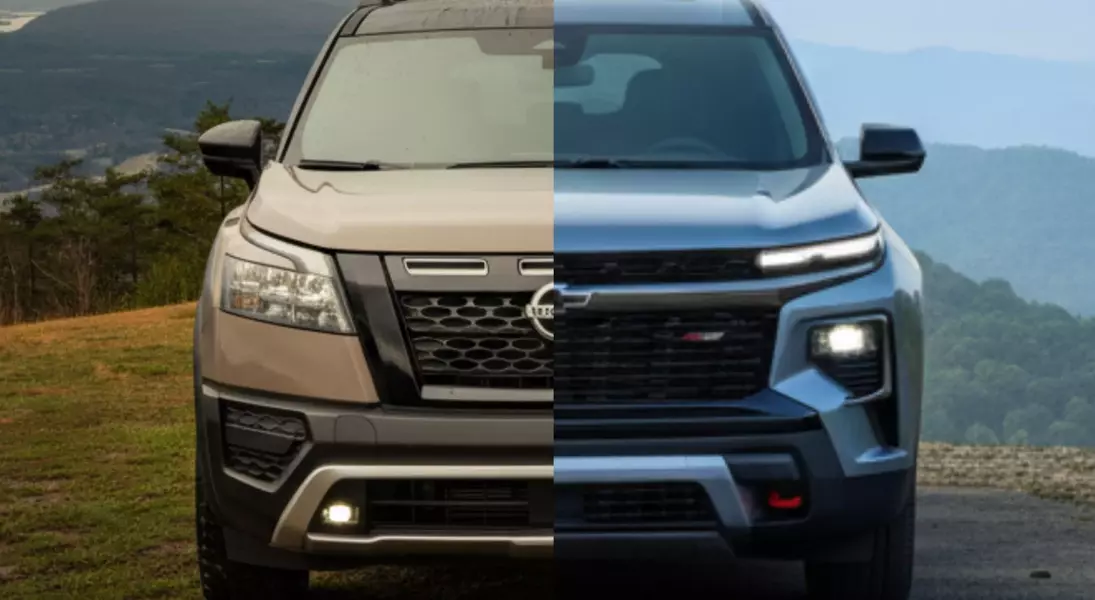
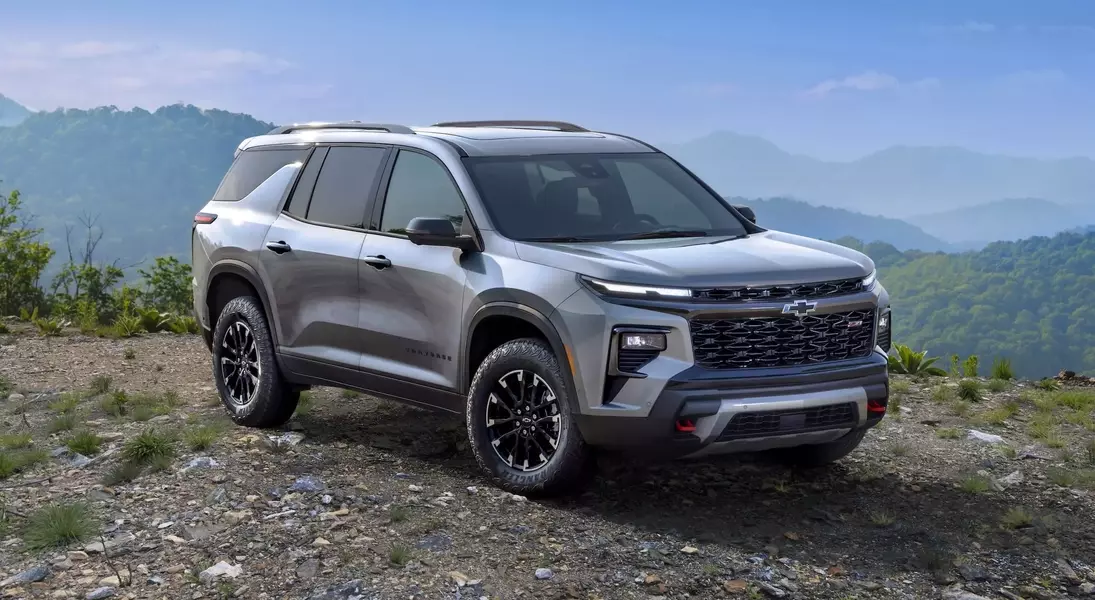
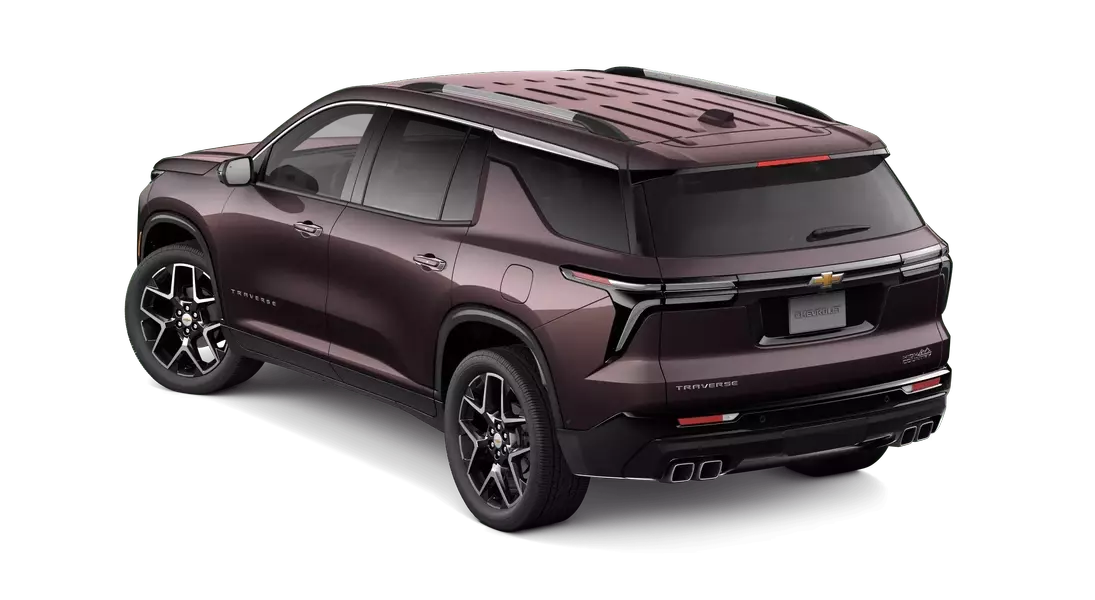
When considering a three-row SUV, buyers often weigh options like the 2025 Nissan Pathfinder and the 2025 Chevrolet Traverse, despite the latter's generally larger stature. Our detailed comparison aims to clarify the advantages and disadvantages of each vehicle across various critical categories, including spaciousness, fuel economy, advanced technology, and pricing, thereby guiding your purchasing decision. The Pathfinder typically boasts a more competitive initial price point, starting around $36,400, while the Traverse, though slightly higher at $40,700, offers increased dimensions that might justify its cost for some. For its 2025 iteration, the Pathfinder is largely a carryover model with minor enhancements, such as a power liftgate becoming available on more trims. Conversely, the 2025 Traverse introduces more substantial revisions, including the reintroduction of the High Country trim and new wheel designs, though some previously standard safety features are now optional.
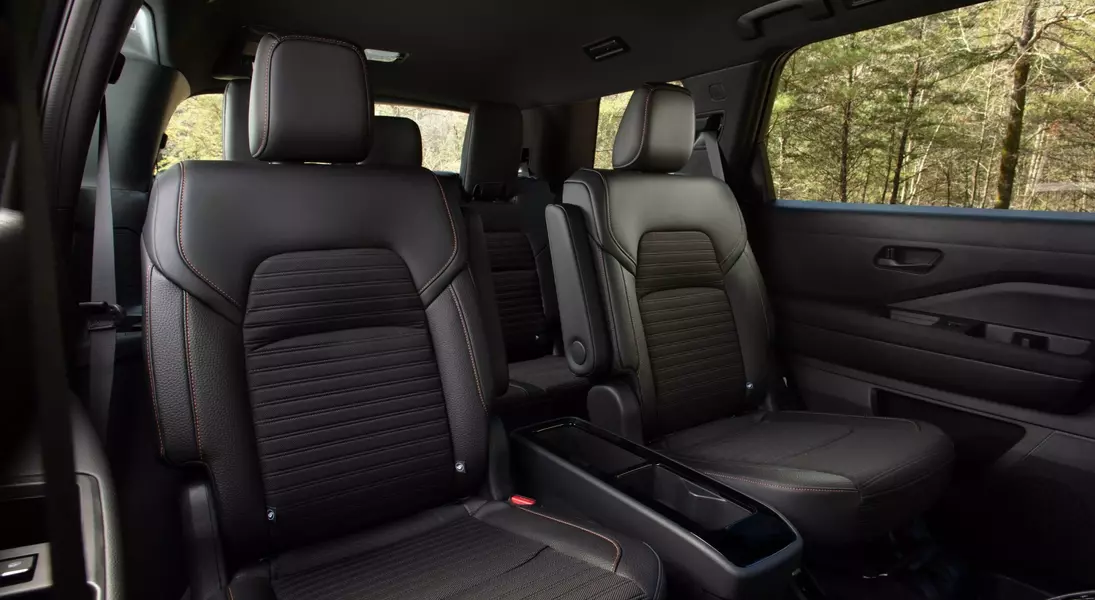
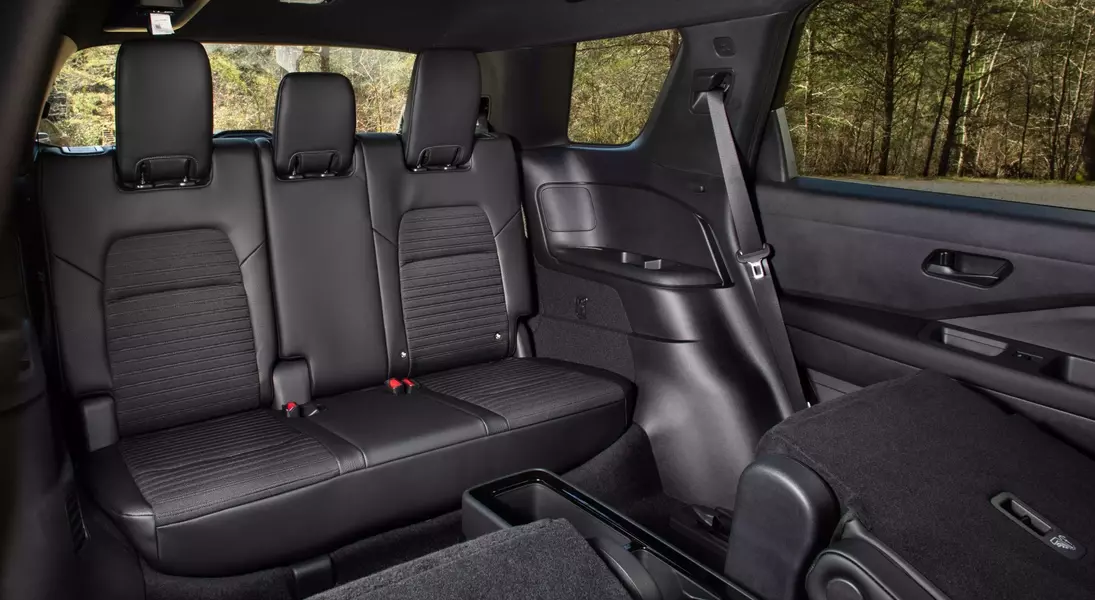
Regarding power and efficiency, both SUVs present a single engine option, yet they cater to different driving preferences. The Pathfinder comes equipped with a 3.5-liter V6 engine paired with a nine-speed automatic transmission, delivering 284 horsepower and 259 lb-ft of torque, with a quicker 0-60 mph acceleration time of 7.1 seconds and a superior towing capacity of 6,000 lbs. In contrast, the Traverse features a more potent 2.5-liter turbocharged four-cylinder engine producing 328 horsepower and 326 lb-ft of torque, coupled with an eight-speed automatic transmission, though its towing capacity is less at 5,000 lbs. The Pathfinder also holds a slight edge in fuel efficiency. Interior space and comfort reveal the Traverse's advantage in cargo volume and rear-passenger legroom, offering substantially more cubic feet behind its third row and in total folded capacity, along with greater second and third-row legroom. However, the Pathfinder's higher trims provide comparable comfort features, such as heated front seats and superior driver's seat adjustability, at a potentially lower price point. Both models offer diverse upholstery options, from cloth to synthetic and genuine leather.
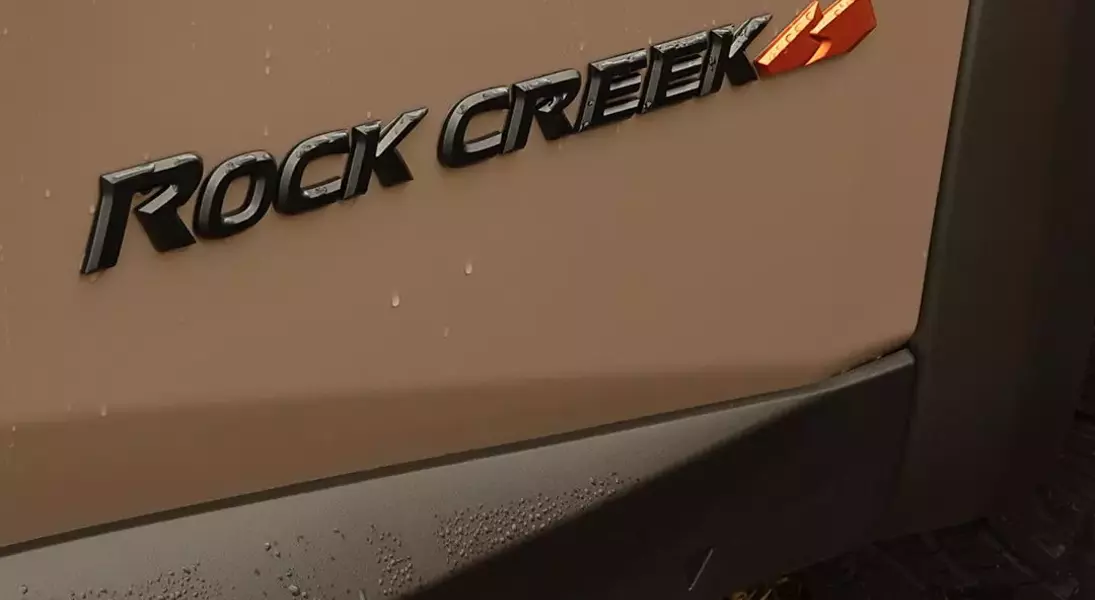
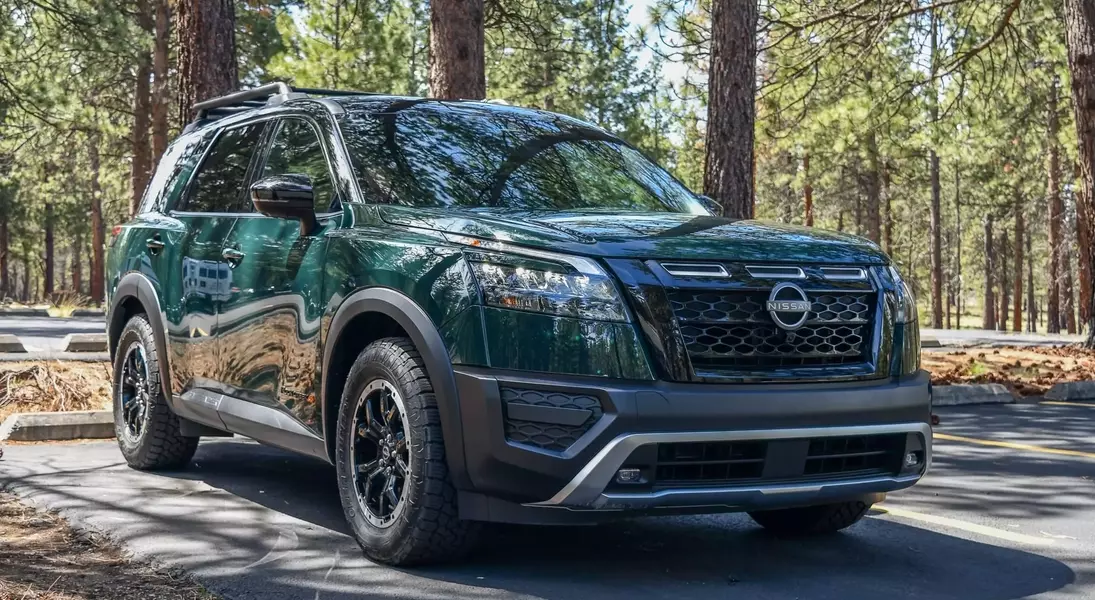
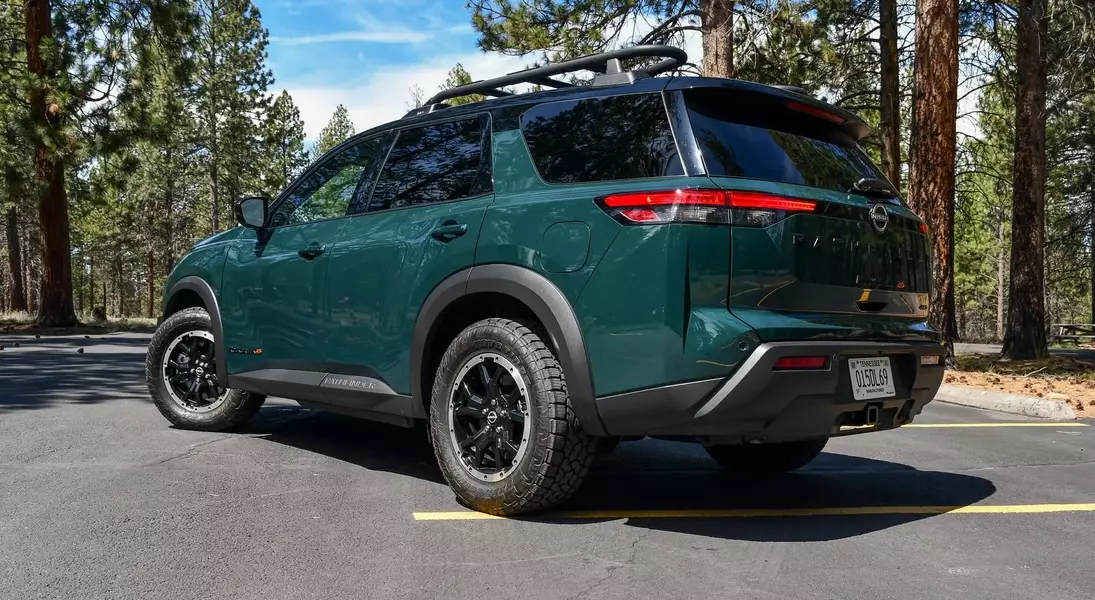
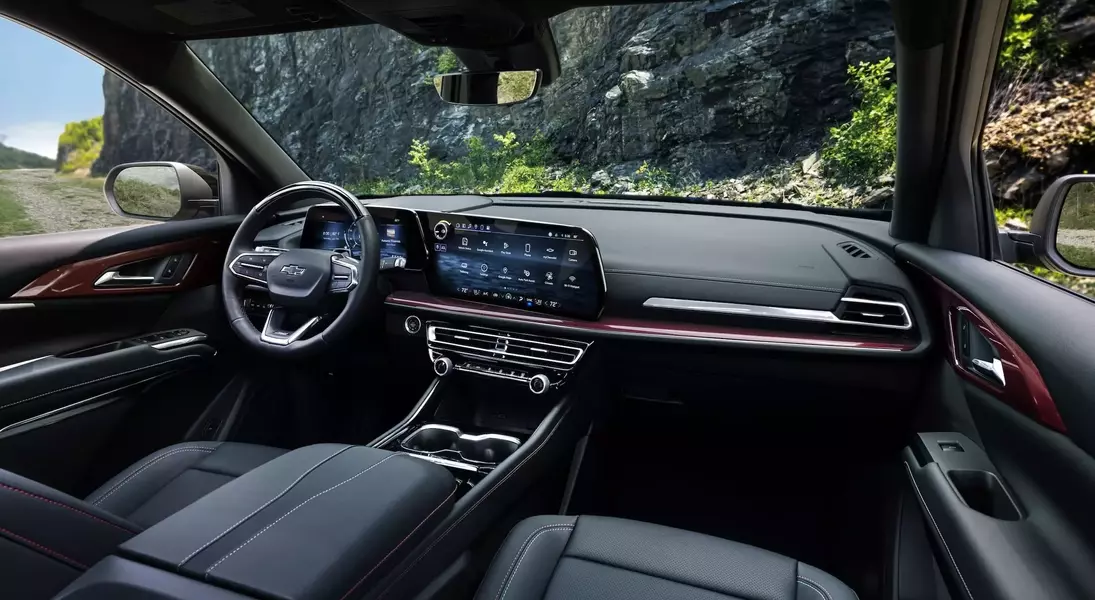
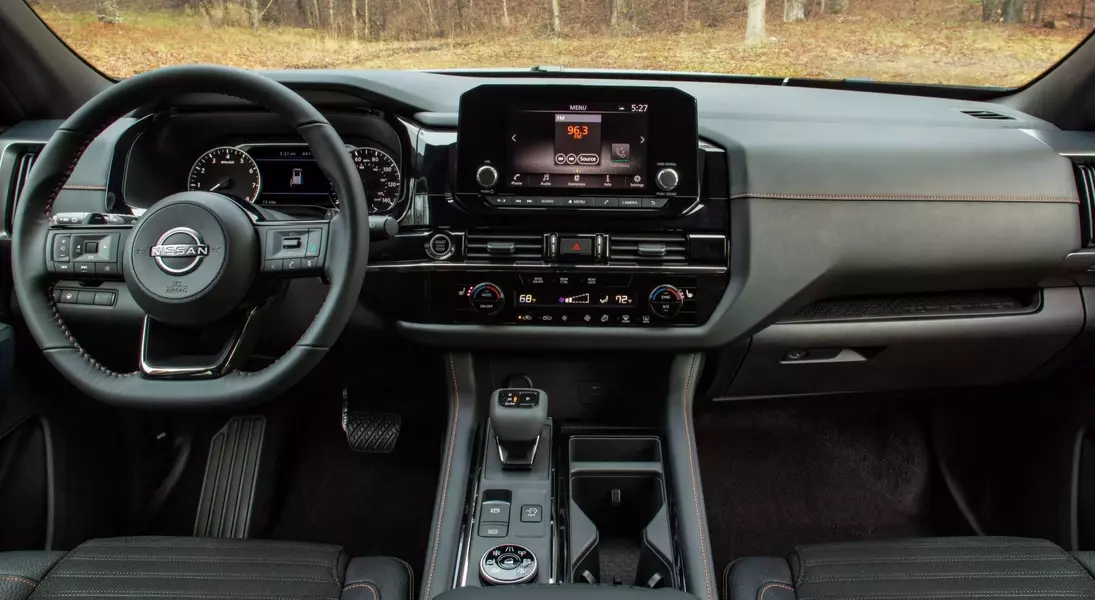
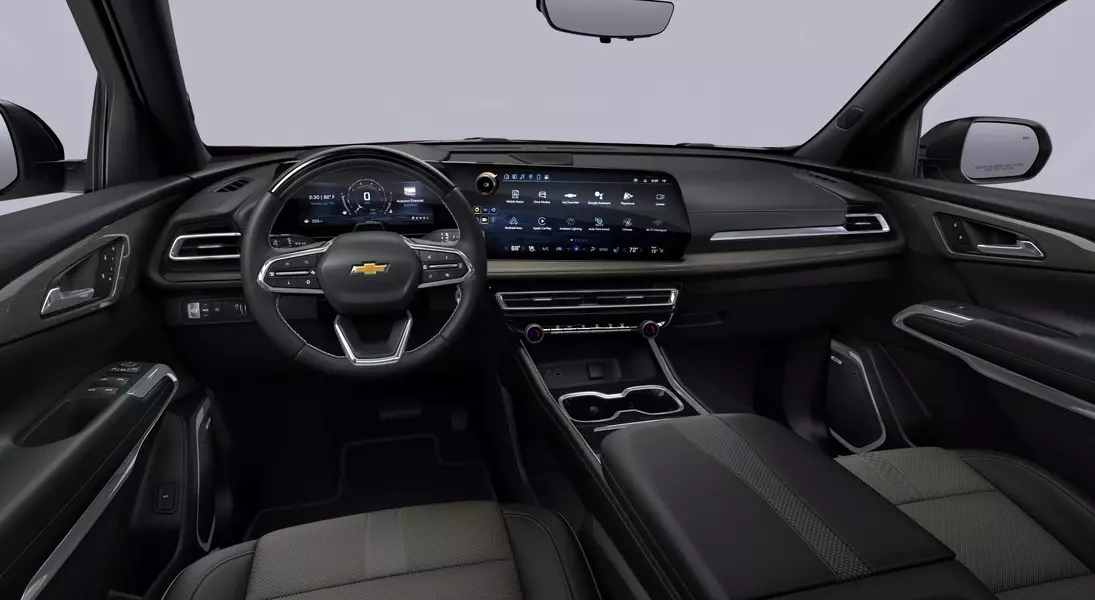
In terms of technology and safety, the Traverse distinguishes itself with a larger standard 17.7-inch infotainment touchscreen and an 11-inch digital instrument cluster across all trims, providing a more immersive digital experience compared to the Pathfinder's smaller standard displays. While both SUVs offer optional premium audio systems, the Traverse's standard wireless smartphone integration across all grades offers added convenience. From a safety perspective, the Pathfinder received a higher safety rating from the Insurance Institute for Highway Safety (IIHS), earning the coveted Top Safety Pick+ award due to its strong performance across all crash test categories. The Traverse secured the second-tier Top Safety Pick, with slightly lower ratings in specific areas. Aesthetically, the Pathfinder presents a rugged yet traditional SUV design, particularly in its Rock Creek trim, while the Traverse opts for a bolder, more aggressive stance with truck-like proportions and larger standard wheel options. While the Pathfinder ensures LED lighting across all trims, the Traverse's advanced lighting features are introduced in higher-priced variants. For off-road enthusiasts, the Pathfinder Rock Creek trim offers a more budget-friendly option with ample driving modes, though the Traverse Z71 provides enhanced comfort through its specialized suspension dampers.
Ultimately, the selection between these two formidable SUVs hinges on individual priorities. The Pathfinder emerges as a compelling option for those valuing a lower entry price, superior towing capabilities, and top-tier safety, coupled with a slightly better fuel economy and competitive comfort features in its mid-range trims. Its enduring value, proven safety credentials, and robust utility make it a wise choice for families and adventurers alike. Conversely, the Traverse appeals to buyers seeking maximal interior space, cutting-edge standard technology, and a more commanding road presence. By meticulously evaluating these factors and engaging in test drives, consumers can confidently choose the SUV that best aligns with their lifestyle and preferences, ensuring a purchase that brings lasting satisfaction and utility.
