This article highlights a commendable initiative where a Wisconsin farmer, Adam Vande Slunt, partnered with several conservation organizations and government agencies to convert a substantial part of his farmland into a flourishing wildlife habitat. This transformation not only fulfills his personal passion for hunting and the outdoors but also significantly contributes to environmental sustainability by improving water quality and providing a haven for diverse wildlife. The project serves as an excellent example of how agricultural land can be effectively managed for both productivity and ecological benefit, demonstrating a harmonious coexistence between farming and conservation efforts. It underscores the importance of such collaborative ventures in promoting sustainable land use practices and fostering a greater appreciation for natural resources.
Wisconsin Farmer Pioneers Wildlife Habitat Transformation in Fond du Lac County
In the picturesque landscapes of Fond du Lac County, Wisconsin, specifically north of Brandon, a remarkable transformation is underway. Adam Vande Slunt, who acquired a 330-acre farm in 2020, has embarked on an ambitious journey to convert a large section of his property into a vibrant wildlife habitat. His vision, born from a lifelong passion for wildlife and outdoor pursuits, began to materialize in 2021 when he sought assistance from the Fond du Lac County Land and Water Conservation Department.
Erv Lesczynski, a dedicated conservationist from the local Land and Water Conservation office, served as a pivotal figure in this endeavor. He guided Mr. Vande Slunt through the complexities of various cost-sharing programs, introducing him to a network of conservation powerhouses. This network included esteemed organizations such as Ducks Unlimited, the Wisconsin Waterfowl Association, the Natural Resources Conservation Service (NRCS), the Wisconsin Department of Natural Resources (DNR), the U.S. Fish and Wildlife Service, and local Wisconsin Pheasants Forever staff, including their new initiative within the Glacial Habitat Restoration Area spanning Fond du Lac, Green Lake, Winnebago, and Columbia counties.
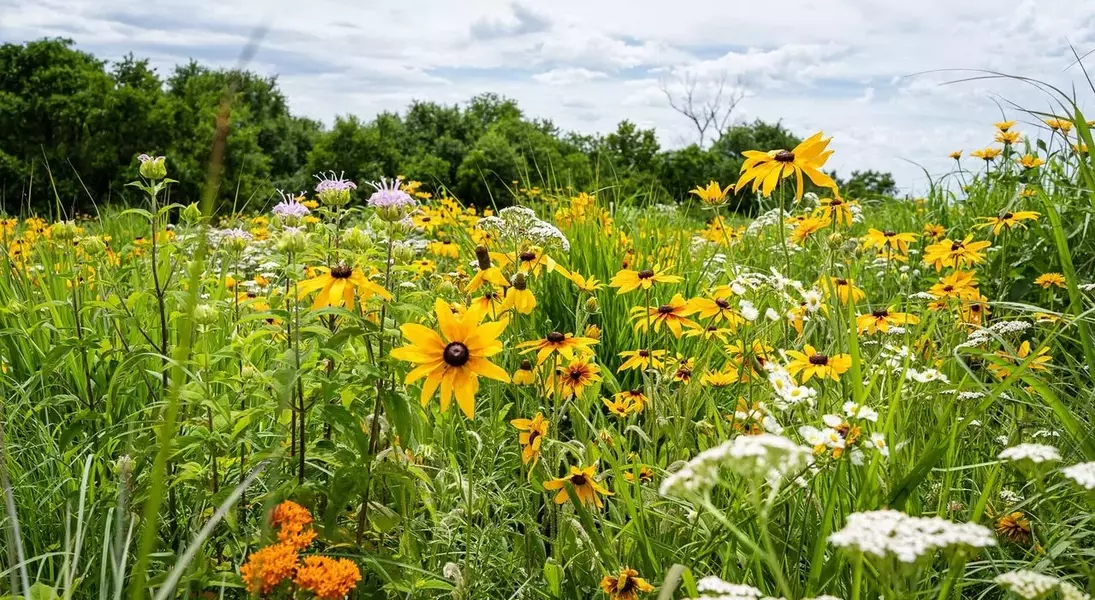
A significant portion of Mr. Vande Slunt's farm, approximately 160 acres, is now a testament to successful conservation practices. This area boasts a meticulously designed pond, a protective berm, and 150 acres vibrant with native wildflowers and grasses. Additionally, 15 acres are dedicated to sorghum food plots, strategically cultivated to support upland game. The farm's ecological significance is further amplified by its location within two vital watersheds: the Green Lake Watershed and the Upper Rock River Watershed, where conservation efforts actively reduce sediment, phosphorus, and nitrogen runoff.
Most of the transformed land is enrolled in the Conservation Reserve Program (CRP) and the State Acres for Wildlife Enhancement (SAFE) initiative. Seventy acres of the farm remain dedicated to traditional agriculture, leased to the Wetzel family for dairy crop production, illustrating a balanced approach to land use. Eligibility for the SAFE CRP practice requires land to have been cultivated for an agricultural commodity for five prior years and located within a designated SAFE area. Notably, land does not need to be highly erodible to qualify, broadening the scope of participation.
Mr. Vande Slunt has systematically implemented conservation projects, initiating the first phase in 2021 and a second in 2024. He expresses profound gratitude to the collaborating organizations, particularly acknowledging Brian Kind from NRCS for his instrumental planning and development contributions. Landowners participating in CRP, CREP, and SAFE programs receive annual payments, coupled with one-time signing and practice incentives, which, as Mr. Lesczynski notes, offset 30% to 60% of the implementation costs of often expensive grass and wildflower seeds.
Travis Wilder, representing Pheasants Forever, advocates for a balanced approach to land management, suggesting that prime hunting land optimally retains 50% to 70% as cropland. This strategy not only enhances habitat but also boosts the rental rates for conservation programs. Farmers can enroll as little as an acre or two of unproductive land into these programs, aligning with the philosophy of "farming the best and conserving the rest."
An engaging field day is scheduled for August 7, from 9 a.m. to noon, at Mr. Vande Slunt’s farm, located at W12205 Galow Dr., Brandon, WI 53919, at the intersection of Metovale Road and Galow Drive. This free event offers a unique opportunity for landowners and enthusiasts to learn firsthand about these conservation practices. Presentations will cover CRP prairie by Travis Wilder and Ericka Walters from the Dodge County Farm Service Agency, wetlands and cost-sharing by Peter Ziegler of the Wisconsin Waterfowl Association and Sawyer Schmidt of the Dodge County NRCS, and a personal account of financial expectations by Mr. Vande Slunt. Kaleb Bolder from the Wisconsin DNR will discuss the Deer Management Assistance Program (DMAP). Attendees are encouraged to wear boots for a walking tour and bring a lawn chair for the presentations. A complimentary lunch of brats and burgers will be provided by the Fond du Lac Chapter of Pheasants Forever. Online registration for the field day is available through the Pheasants Forever events page.
The Ripple Effect of Inspired Stewardship
Adam Vande Slunt's conservation endeavor is more than just a personal project; it's a profound statement about the power of collaboration and foresight in agriculture. As a journalist covering this story, I am struck by how it beautifully illustrates that farming and environmental stewardship are not mutually exclusive but deeply interconnected. In an era where climate change and biodiversity loss are pressing concerns, Vande Slunt’s farm stands as a living laboratory and a beacon of hope. His willingness to open his land for a field day is particularly commendable, as it transforms his personal commitment into a public educational platform. This direct engagement fosters a deeper understanding among fellow farmers and the community about the tangible benefits of conservation – from improving water quality to nurturing wildlife. It encourages a shift in mindset, inspiring others to view marginal or less productive areas of their land not as liabilities, but as opportunities for ecological enhancement. Ultimately, this story serves as a powerful reminder that every individual action, especially when amplified by collaborative efforts, can contribute significantly to a healthier planet, creating a legacy of sustainability for future generations.
