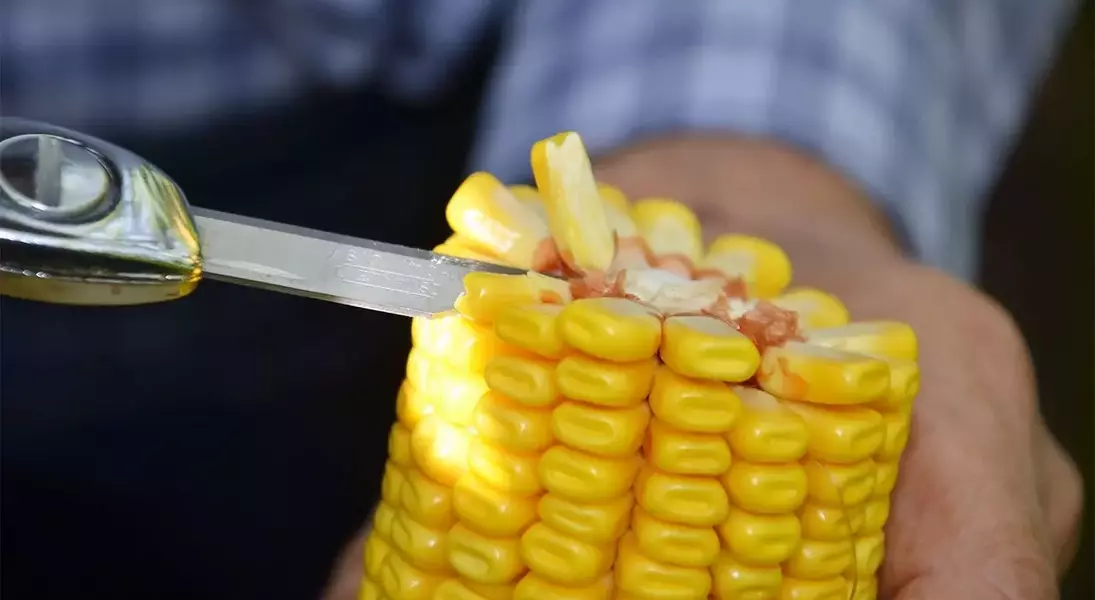
Optimizing corn yields involves a deeper understanding of the grain-filling process, a period often underestimated by many farmers. Far from being a static phase, this crucial stage offers significant opportunities to influence the final harvest. Recent research sheds light on how strategic management during grain fill can lead to heavier kernels and, consequently, higher yields, dispelling long-held misconceptions about corn development.
Revealing the Dynamics of Corn Yield Enhancement
In the vibrant agricultural landscape, specifically in the fields of Indiana and Ontario, groundbreaking research conducted by Purdue Extension corn specialist Dan Quinn and Pioneer agronomy manager Mark Jeschke, alongside his team including Liam Bracken, Paul Hermans, and James D'Aoust, has redefined our understanding of corn yield optimization. Their collaborative efforts in 2022 and 2023, two distinctly different growing seasons, unveiled the profound impact of managing corn crops through the critical grain-filling phase.
Dr. Quinn passionately asserts that the notion of a farmer's role concluding post-pollination is a pervasive myth. He emphasizes that the grain-filling period is pivotal for starch accumulation within the kernels, directly influencing their size and weight. His findings demonstrate that extending this period, potentially through interventions like fungicide applications when necessary, can remarkably increase kernel weight by approximately 10%, translating into an impressive yield increase of 10 to 20 bushels per acre.
Concurrently, Jeschke's team embarked on a comprehensive field study in 2023 across nine locations in eastern Ontario, Canada. Their objective was to investigate the variability of corn kernel weights across different hybrids and the influence of factors such as plant population. A key discovery from their meticulous analysis was the distinction between kernel weight and test weight; contrary to popular belief, a high kernel weight does not guarantee a high test weight. Intriguingly, one hybrid with the second-highest kernel weight in their trials exhibited the lowest test weight.
The researchers also highlighted a significant evolutionary leap in corn genetics: modern hybrids possess an enhanced genetic capability to sustain kernel count per ear even at higher plant densities. This genetic advancement, coupled with an extended kernel-filling period, is a primary driver of increased yields over time.
Furthermore, the studies challenged the long-held assumption that yield is fully determined once corn kernels begin to dent (R5 stage). Both Quinn and the Purdue Corn and Soybean Field Guide clarify that at this stage, kernel moisture is around 60%, and dry matter constitutes merely 45% of its final total. The black layer stage, marking physiological maturity, is still over a month away, indicating a substantial window during which final yield can fluctuate by as much as 30%.
Finally, while increasing plant population might lead to a decrease in individual kernel weight, the overall yield typically still rises. This observation, made during a particularly favorable growing season in the Pioneer study, underscores the complex interplay between plant density, kernel development, and total productivity. It also became evident that not all corn hybrids respond identically to increases in planting density, showing varying degrees of yield increase and shifts in kernel weight.
Navigating the Future of Corn Cultivation: A Call for Adaptive Management
The groundbreaking insights from Quinn and Jeschke serve as a powerful reminder to the agricultural community: the journey of corn cultivation extends far beyond initial planting and pollination. It challenges us to reconsider traditional farming practices and adopt a more nuanced, adaptive approach to crop management. The emphasis on the grain-filling period highlights the importance of continuous monitoring and timely interventions, such as fungicide applications, to safeguard and enhance potential yields. This research not only debunks long-standing myths but also underscores the dynamic nature of plant physiology and the critical role of environmental factors. For farmers, this translates into a call for heightened vigilance and a willingness to embrace new strategies, transforming the post-pollination phase from a period of passive waiting into an active window for maximizing agricultural output. Ultimately, understanding and leveraging these nuanced aspects of corn development will be key to fostering more resilient and productive harvests in a constantly evolving climate.
