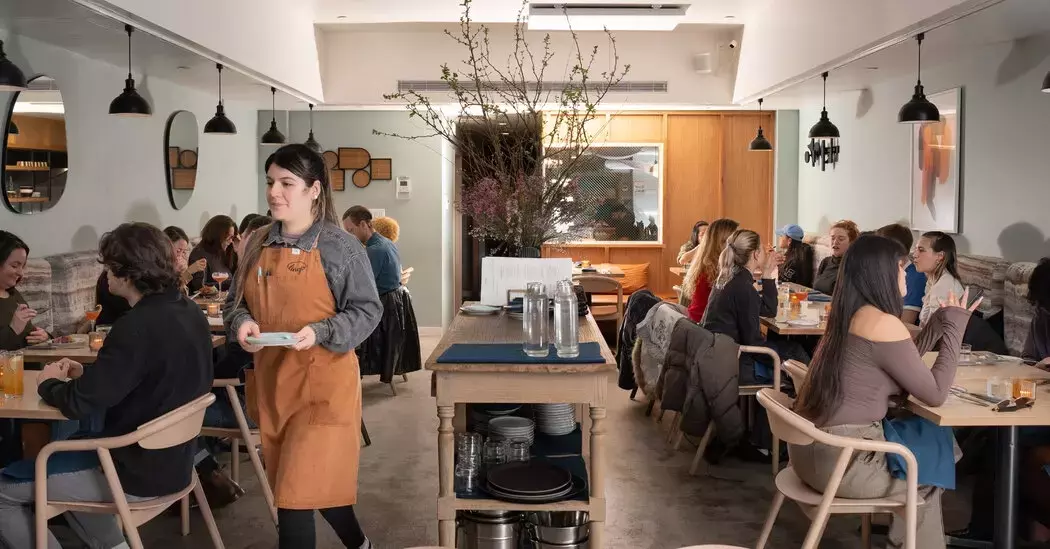
Despite the typically sluggish winter months for dining, American consumers have been unexpectedly enthusiastic about eating out and spending more. In Denver, restaurants like Barolo Grill in the upscale Cherry Creek area have experienced record-breaking sales in January and February, defying seasonal trends and challenging economic conditions. Owner Ryan Fletter expressed surprise at the robust business, noting that these two months are traditionally slow for eateries. The surge in dining activity has not only surprised restaurateurs but also highlights a shift in consumer behavior during what should be a quiet period.
The harsh winter weather, including record-breaking cold snaps and heavy snowfall, has posed significant challenges for businesses nationwide. Yet, Barolo Grill managed to thrive, logging its most profitable January and February since opening in 1992. Fletter attributes this success to several factors, including diners choosing more premium options such as finer wines and tasting menus over à la carte selections. This trend is not isolated to Barolo; many other establishments, from casual to upscale, have reported similarly strong performances during the first two months of the year.
The National Restaurant Association's analysis of census data reveals that January sales at eating and drinking places reached $98.6 billion, marking a nearly $2 billion increase compared to the same month in the previous year, adjusted for inflation. OpenTable data also indicates a 5% rise in diner numbers compared to the previous year. While egg prices have hit record highs and concerns about rising food costs persist, consumers appear undeterred. Some restaurateurs speculate that low unemployment rates and a less politically charged atmosphere may be contributing to the boom. Others suggest that diners are seeking comfort and social interaction amid broader uncertainties.
The unexpected dining surge during winter demonstrates a resilient consumer appetite for quality experiences despite economic and environmental challenges. Restaurants are adapting by offering more upscale options, and diners seem willing to indulge. This winter's performance suggests a promising outlook for the hospitality industry, signaling that consumer confidence remains strong even in traditionally slower periods.
