In the new Starz series 'Amadeus,' actor Will Sharpe takes on the challenging role of Wolfgang Amadeus Mozart, offering a nuanced portrayal that goes beyond the myth. Sharpe, known for his ability to convey complex emotional states, explores the psychological weight of genius and the personal struggles faced by the iconic composer. This adaptation delves into the intense rivalry between Mozart and Antonio Salieri, painting a vivid picture of 18th-century Vienna filled with ambition, resentment, and groundbreaking music. The series reinterprets the classic narrative with a contemporary sensibility, emphasizing the raw, human aspects of its central figures, and challenging traditional perceptions of both the era and its luminaries.
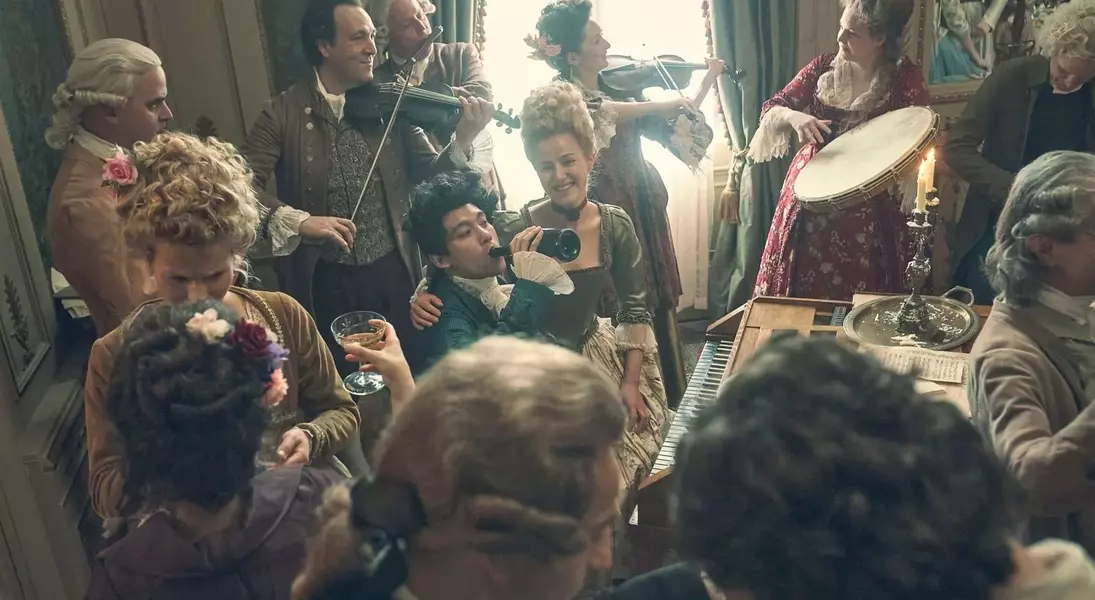
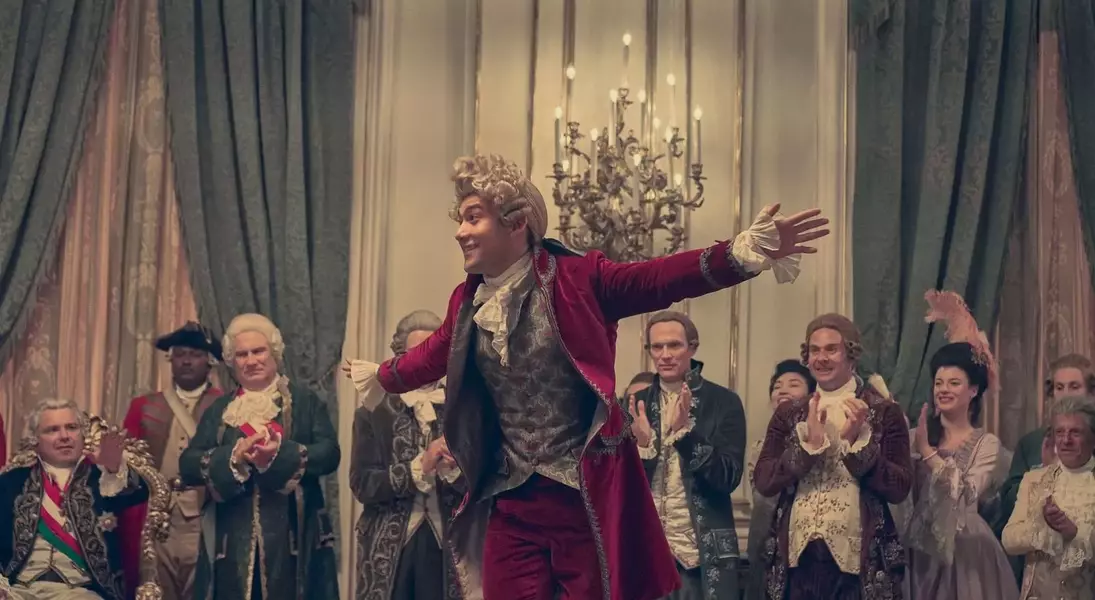
Sharpe's approach to Mozart highlights the composer's impulsive nature and the internal conflict arising from his extraordinary talent. He describes Mozart as a man often overwhelmed by the expectations tied to his gifts, struggling with social norms despite his musical prowess. This interpretation moves away from the romanticized image, presenting a more grounded and relatable character. The visual style of the series complements this modern take, featuring period costumes with a deliberate looseness and rock-star-inspired wigs, aiming for a sensual and chaotic atmosphere rather than rigid historical accuracy.
During a conversation, Sharpe articulated his fascination with the project, particularly how the five-part series allowed for a deeper exploration of Mozart from various viewpoints, transcending the limitations of previous stage and film adaptations. He expressed a desire to understand the everyday reality of such a prodigy, who could create unparalleled music yet navigate daily life with considerable difficulty. Sharpe also touched upon Mozart's unexpectedly 'punk' sensibility, noting the composer's resistance to being seen as a mere servant of the court and his willingness to challenge authority through works like 'The Marriage of Figaro,' which was based on a forbidden text.
One notable aspect of Sharpe's casting is his Asian heritage, making him one of the first actors of Asian descent to portray Mozart for English-speaking audiences. He emphasized that the show's narrative is a fictionalized account, allowing for creative casting choices. Sharpe found immense value in Mozart's music as a tool for character development, recognizing the vast emotional range within his compositions—from lighthearted and playful to grand and operatic. This musical insight provided a unique pathway into understanding the character's multifaceted personality.
Reflecting on his immersion in Mozart's work, Sharpe shared how it profoundly deepened his appreciation for classical music's intricate construction and the collaborative interplay of different instruments. He was particularly struck by the mathematical precision and cleverness embedded in Mozart's compositions. Sharpe mused that Mozart, with his curious and open-minded spirit, would likely embrace various modern musical genres, judging them purely on their artistic merit rather than adhering to traditional classifications. This perspective underscores Mozart's timeless relevance and universal appeal.
The costumes, while historically inspired, also played a crucial role in shaping Sharpe's performance. The elaborate period attire, despite its courtly influence, was intentionally designed to feel 'messy and lived in,' allowing for a more dynamic and less constrained portrayal. Sharpe highlighted the iconic red jackets associated with Mozart and humorously noted that some elements, like the large-sleeved, frilly-cuffed shirts, could even find a place in contemporary fashion. This blend of historical detail and modern sensibility encapsulates the series' overall vision.
Ultimately, Sharpe hopes that viewers will emerge from 'Amadeus' with a fresh understanding of the complex, human chaos beneath the celebrated legend. He acknowledges that the series is not a factual historical document but rather an exploration of the dynamic between Mozart and Salieri that has fueled centuries of mythology. The enduring intrigue surrounding their relationship, including theories about Mozart's late-life paranoia and Salieri's confessions, suggests a deeply compelling interaction that continues to capture the imagination, offering a rich canvas for dramatic interpretation.
