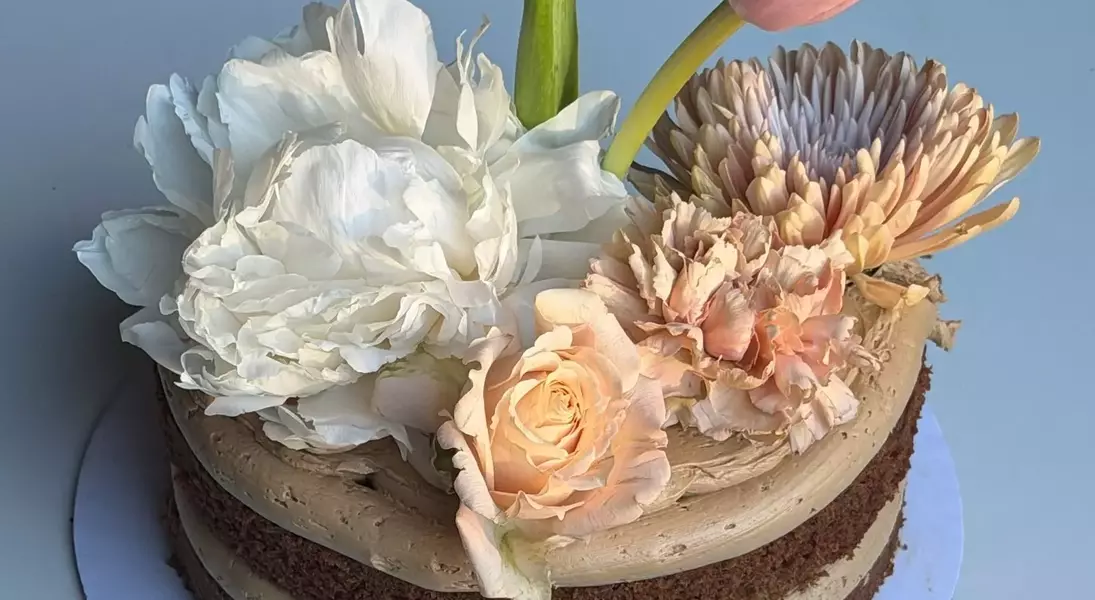
This narrative explores the deep bond between a daughter and her mother, a connection woven through the delightful tradition of baking. Centered around a treasured coffee-and-walnut cake recipe, the story beautifully illustrates how culinary creations can transcend mere food, becoming powerful symbols of cultural identity, familial love, and the comforting essence of belonging. It recounts the mother's journey from New Zealand to France and the daughter's subsequent relocation to New York, both finding solace and a sense of home in the act of baking, carrying their heritage with them through every lovingly prepared dish.
The Sweet Taste of Home: A Daughter's Culinary Journey Inspired by Her Mother
In a charming East Village bakery named From Lucie, New York City, a delectable coffee-and-walnut cake stands as a testament to a daughter's unwavering bond with her mother. Lucie, the proprietor, discovered the profound significance of this particular cake through her mother's own life story. Originally from New Zealand, Lucie’s mother embarked on a new chapter in France after falling in love with a Frenchman. There, she transformed their home into a welcoming bed-and-breakfast, where baked goods, especially her classic coffee-and-walnut cake—a recipe inherited from her New Zealand mother—became a centerpiece, a delicious bridge between her past and present. This cake, made with robust coffee and fresh walnuts, was not just a dessert; it was a symbol of rootedness and continuity in a foreign land. Lucie vividly recalls her childhood in southwestern France, gathering walnuts with her mother from neighbors' trees, a tactile experience that solidified the cake's place in her memory. The rhythmic process of shelling nuts and preparing batter transformed the kitchen into a sanctuary, a space for shared moments and unspoken lessons of resilience and love. Decades later, Lucie found herself following a similar path, moving from France to New York, where she not only found love but also a new home. Missing the flavors of her upbringing and her mother's comforting baking, she established her own bakery, ensuring her mother's cherished recipes, including the coffee-and-walnut cake, remained at the heart of her menu. This culinary legacy allows her to recreate the warmth and sense of belonging that her mother so skillfully cultivated, extending a "warm hug" to every customer who steps into her bakery, making them feel as if they've walked into her own home, much like the guests at her mother's bed-and-breakfast.
This heartwarming narrative serves as a poignant reminder of how deeply personal heritage can be interwoven with the everyday act of cooking. It highlights the quiet strength found in maintaining cultural connections, particularly through food, when navigating new environments. The story prompts reflection on the intangible gifts passed down through generations—not just recipes, but life lessons of adaptability, love, and the profound art of creating a sense of home wherever one may be. It's a testament to the idea that our roots can ground us, even as we branch out into the world, allowing us to forge new paths while honoring the journeys of those who came before us.
