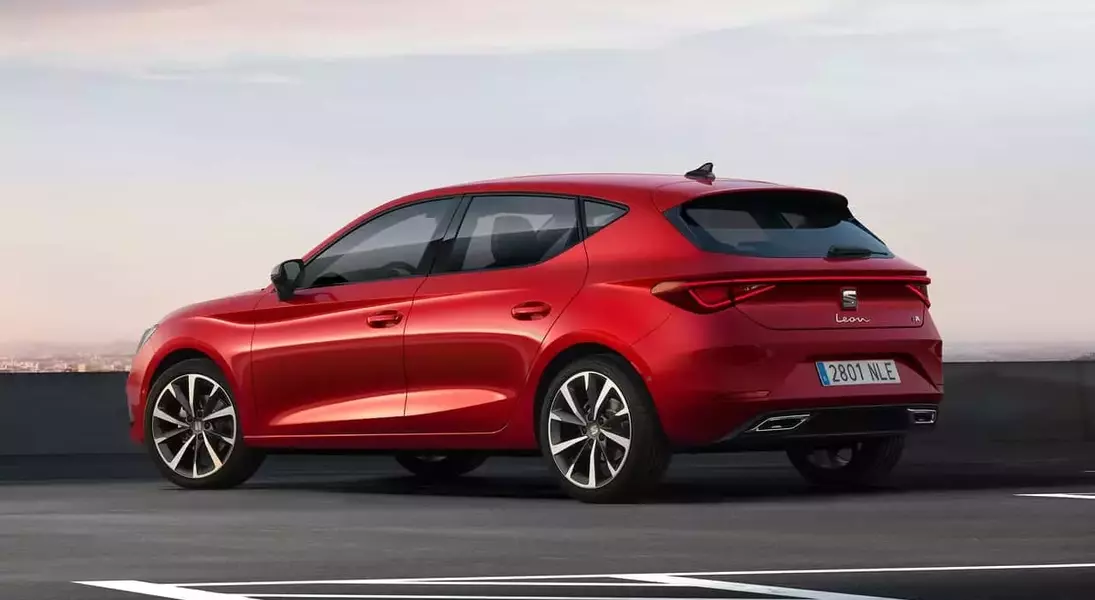
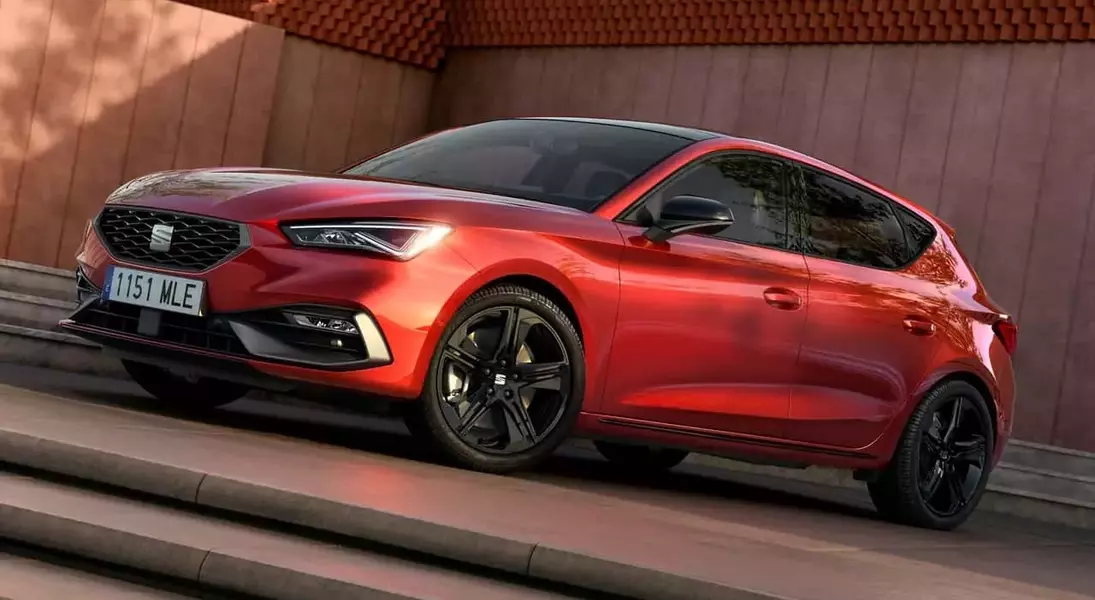
Volkswagen Group is reportedly making a significant strategic shift, with plans to discontinue its Spanish automotive brand, Seat, by the close of the current decade. This decision is said to be driven by the conglomerate's need to reallocate resources to more profitable ventures, particularly its rapidly growing Cupra brand. The move highlights the intense competitive pressures within the global automotive industry, forcing major manufacturers to make difficult choices about their brand portfolios.
According to reports from a German publication that claims to have reviewed internal documents, Volkswagen Group's management board has already approved the cessation of Seat's operations, with the proposal awaiting review by the supervisory board. The internal memo reportedly indicates that maintaining Seat in its current form would necessitate additional resource allocation, which the company is keen to avoid. Instead, the focus will squarely shift to expanding the Cupra brand, which was originally established as Seat's high-performance division before becoming an independent entity.
The rationale behind this strategic pivot is evident in recent market trends. Cupra has experienced a notable surge in sales, establishing itself as a dynamic and appealing brand to a contemporary consumer base. In stark contrast, Seat's sales figures have been on a downward trajectory. The brand has not introduced a new vehicle since 2020, instead opting for refreshes of existing models, a clear indicator of its diminishing priority within the Volkswagen Group's broader strategy. This divergence in performance has likely played a crucial role in the decision-making process to streamline the brand portfolio.
Seat's history dates back to May 1950, when it was established as a collaboration between the Instituto Nacional de Industria, private banks, and Fiat. Volkswagen Group gained a controlling interest in Seat in 1986, integrating it into its extensive network of automotive brands. For decades, Seat served as Volkswagen's gateway to the Spanish market and beyond, known for its sporty yet accessible vehicles. However, the brand's appeal has waned in recent years, making it a candidate for restructuring as Volkswagen Group grapples with evolving market demands and global economic challenges. The potential discontinuation of Seat is a reflection of Volkswagen Group's broader strategy to consolidate its efforts around brands demonstrating strong growth potential and market relevance, ensuring efficient resource deployment in a highly competitive landscape.
