

The 1995 Nissan Sentra emerges as a prime example of automotive innovation, redefining what it means to offer 'more' to consumers. This comprehensive analysis from Car and Driver's June 1995 issue delves into how Nissan managed to deliver a vehicle that is simultaneously more spacious, powerful, and efficient, yet also lighter and more affordable than its previous iteration.
Redefining Value: More for Less with the New Sentra
The Paradox of “More” in Modern Automotive Design
Historically, the concept of "more" in the automotive world translated to larger dimensions, luxurious interiors, and powerful, fuel-thirsty engines, inevitably leading to higher costs. However, contemporary engineering has inverted this paradigm. The article posits that "more" now signifies enhanced capability and features packed into a more compact and efficient form. This shift is evident in various technological advancements, suggesting a future where even large vehicles might become incredibly streamlined.
The 1995 Nissan Sentra: A Testament to Modern Engineering
The 1995 Nissan Sentra stands as a beacon of this new automotive philosophy. Following in the footsteps of the acclaimed Nissan Maxima, the latest Sentra model boasts significant improvements across key areas. It offers expanded interior space, a boost in engine power, and remarkable fuel efficiency, all within a chassis that is both lighter and more structurally robust than its predecessor. What truly sets this model apart is its surprising affordability, with a base price notably lower than the 1993 Sentra GXE.
Standard Features and Enhanced Safety in the New Sentra
Addressing potential skepticism regarding the lower price point, the article assures readers that the 1995 Sentra GXE maintains a rich array of standard features. While alloy wheels are now exclusive to the premium GLE trim, essential amenities like air conditioning, power windows, central locking, and a cassette audio system remain standard. Furthermore, the new model significantly enhances safety by including dual airbags, a step up from the previous single-airbag setup. Anti-lock brakes are also introduced as an option for GXE and GLE variants, adding another layer of security.
Design Evolution: Maturity and Pragmatism
The 1995 Sentra is exclusively available as a four-door sedan, with the two-door responsibilities being handled by the Sentra-based 200SX. This strategic move underscores a more mature and practical character for the Sentra. Despite its aero-refined bodywork, which features smoother lines and a less angular profile, the car retains a conservative aesthetic. While some buyers might crave a more striking appearance, the Sentra's sensible styling aligns with its grown-up demeanor, reflecting a focus on functionality and enduring appeal rather than fleeting trends.
Optimized Space and Ride Comfort
A notable enhancement in the new Sentra is its extended wheelbase, which has grown by four inches. This elongation contributes to a more solid and stable ride. Crucially, it has also facilitated a significant increase in rear legroom, making the back seats genuinely comfortable for passengers. This expansion in interior volume is achieved without an increase in the car's overall length, showcasing ingenious packaging. The rear suspension, a lightweight beam-axle design with a lateral sliding link, plays a pivotal role in this spatial optimization, offering effective wheel control without demanding excessive space. The added inch in width further contributes to the cabin's spaciousness.
Performance and Fuel Efficiency Gains
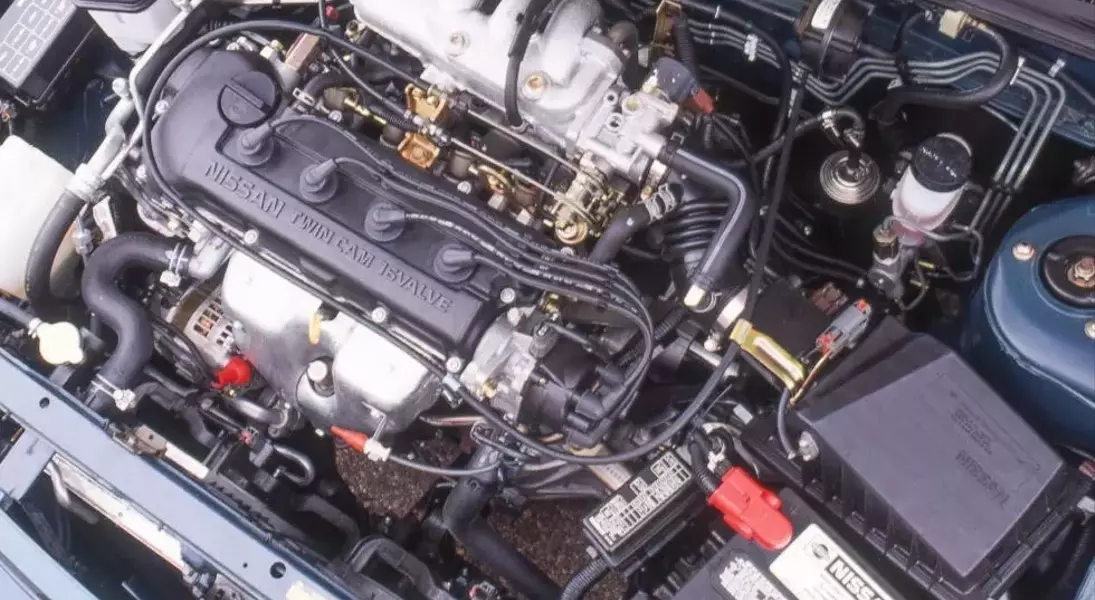
In performance evaluations, the 1995 Sentra demonstrated impressive capabilities. Being approximately 100 pounds lighter than the previous GXE model, the five-speed test car accelerated from 0 to 60 mph in a brisk 8.5 seconds. While some competitors might be slightly quicker, the Sentra comfortably positions itself at the forefront of its class, outperforming its 1993 predecessor by over a second. Engine revisions, including an increased compression ratio and a more efficient cylinder head, have elevated the 1.6-liter four-cylinder engine's output to 115 horsepower at 6000 rpm. Remarkably, these performance gains come with improved fuel economy, with the manual Sentra's EPA city-cycle rating increasing by 1 mpg to 30.
Driving Dynamics and Interior Refinements
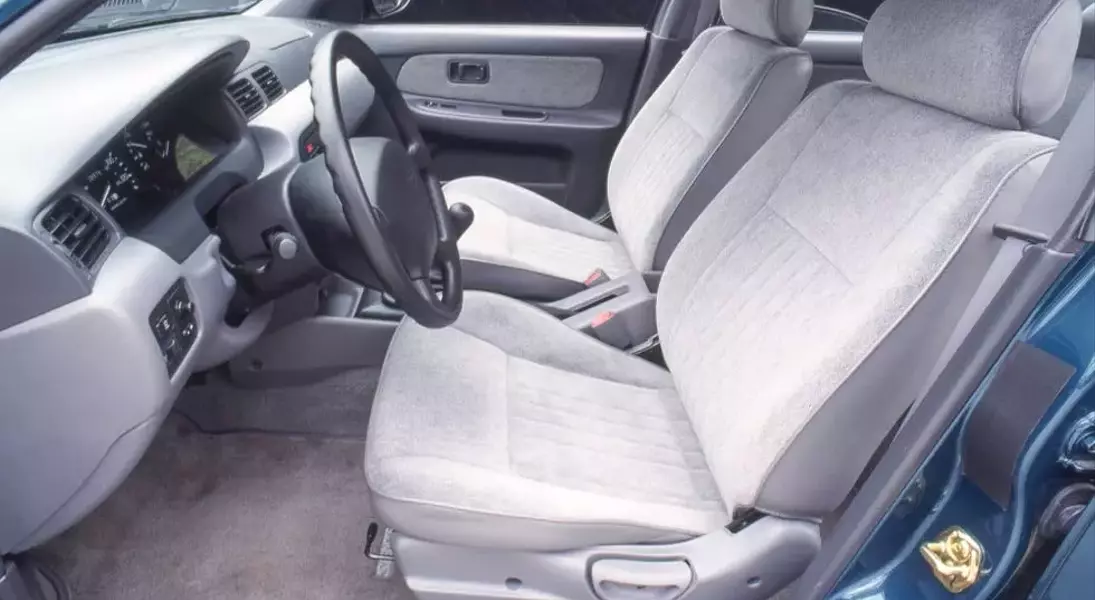
The article praises the Sentra's refined driving experience, highlighting its smooth shifter, responsive engine, and exceptional grip for a sedan (achieving 0.78 g on the skidpad). The ride quality is described as taut yet compliant, adept at absorbing road imperfections. The vehicle also exhibits a robust build, with no discernible structural noise during testing. While acknowledging a slight reduction in the previous Sentra's famed nimbleness, likely due to the increased wheelbase, the trade-off for enhanced stability and composure is deemed worthwhile. The interior, though familiar, features subtle improvements such as a lowered dashboard for an airier feel and a more elegant instrument cluster design, contributing to a premium ambiance that rivals vehicles in higher classes.
A Thought-Provoking Conclusion
The review concludes by emphasizing the exceptional value offered by the 1995 Nissan Sentra, suggesting it provides a substantial package for its price. It playfully questions the desire for "more" if it means sacrificing practicality, such as a car that would fit under an airplane seat. The counterpoints from other reviewers highlight a debate over the new Sentra's softer ride and handling compared to its predecessor, but generally agree on its improved broad appeal and structural integrity. Ultimately, the 1995 Sentra is presented as a compelling, well-rounded vehicle that cleverly delivers more in key areas without compromising on cost or efficiency.
