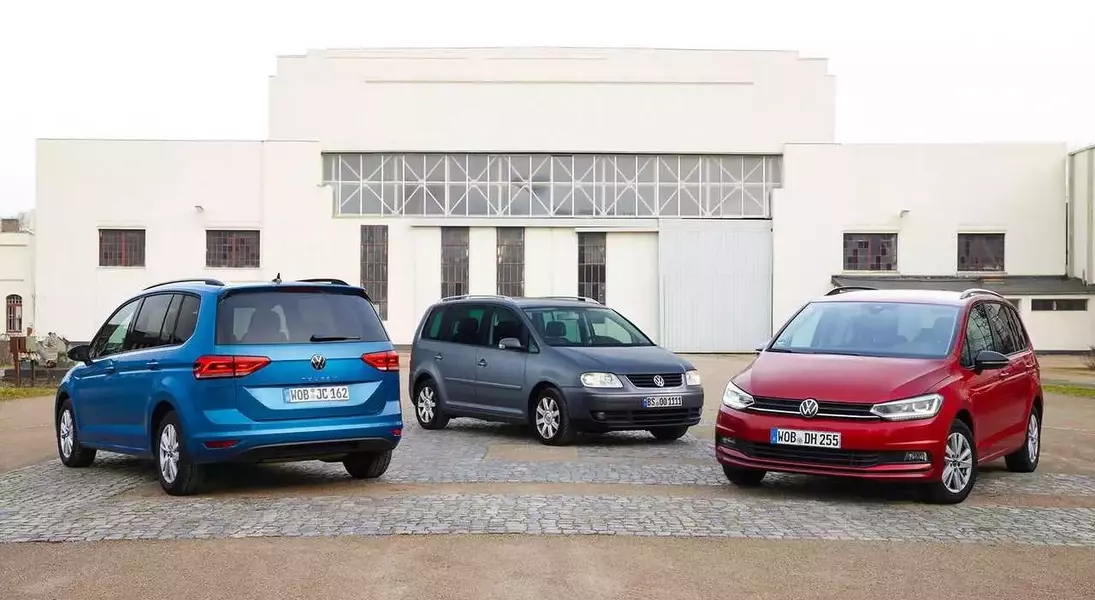
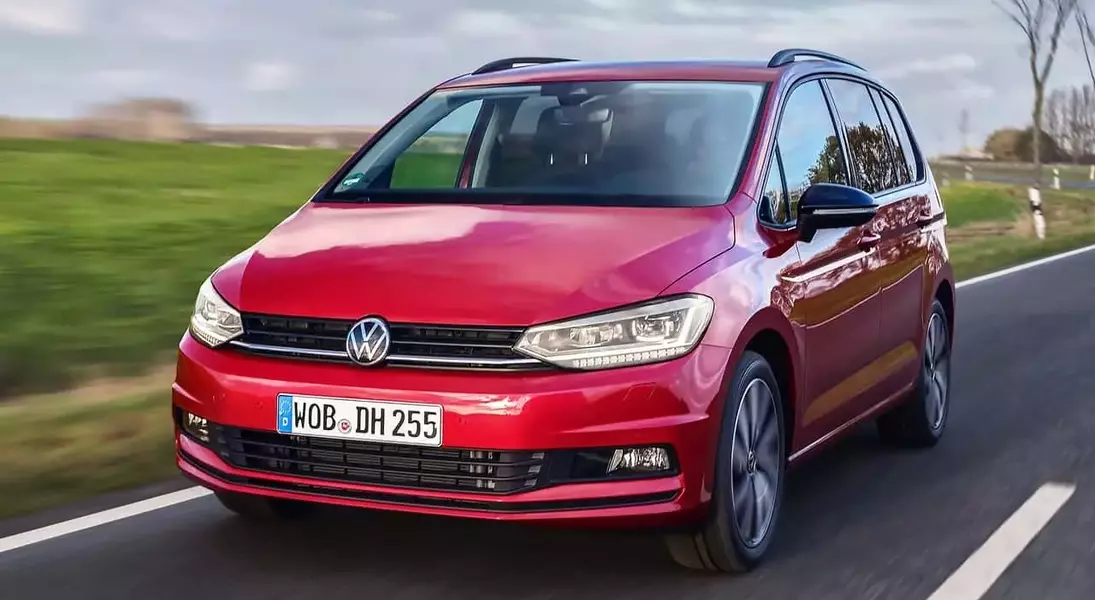
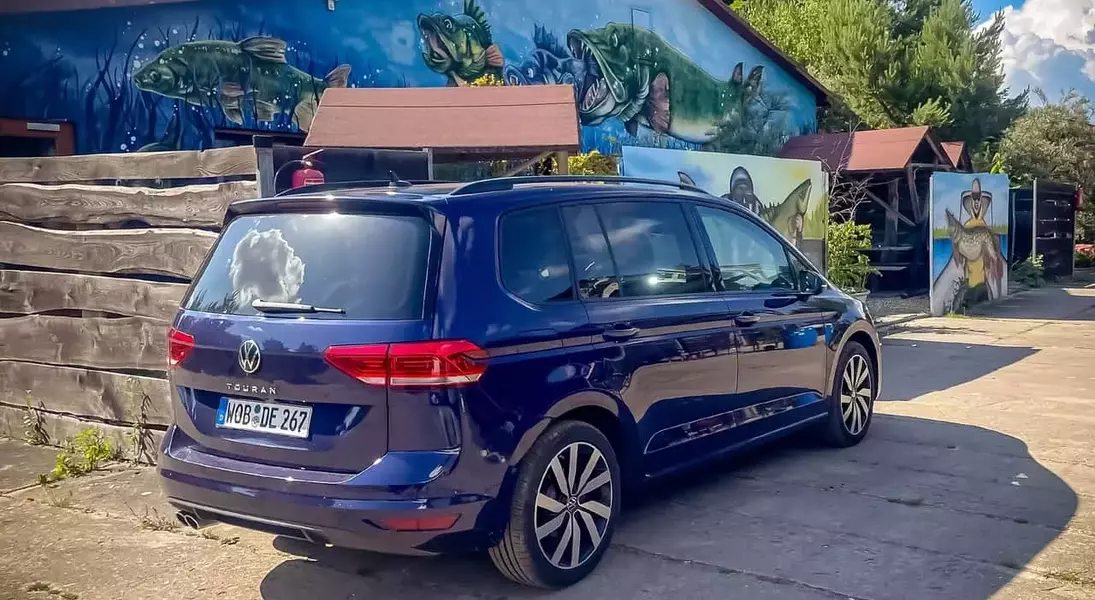

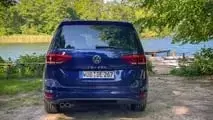

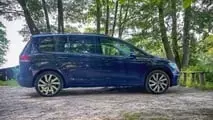
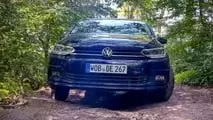
Volkswagen has officially retired its long-standing Touran minivan, with the final unit leaving the Wolfsburg assembly line on April 29. This decision concludes an 11-year production cycle for the second-generation model, a vehicle that has been a consistent presence in Volkswagen's lineup. The primary driver behind this discontinuation is the Touran's non-compliance with the upcoming UN General Safety Regulation II, Stage C, set to take effect on July 6, 2026, which would prevent its new registration without special exemptions.
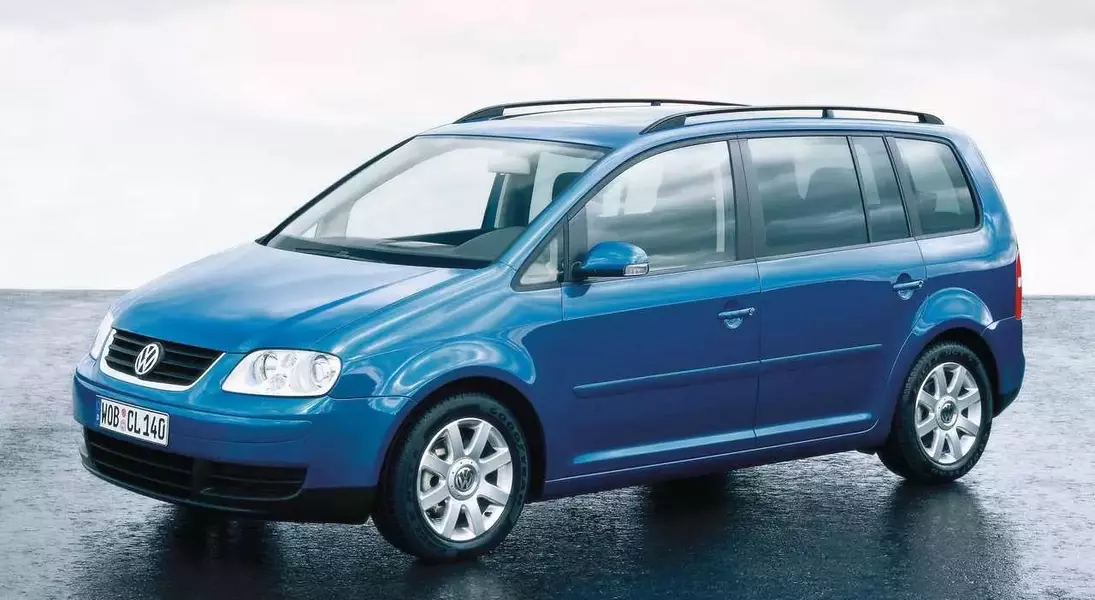
The Touran, first introduced in 2002, quickly established itself as a significant model for Volkswagen, particularly in Germany. With over a million units registered in the country between 2002 and 2025, and a peak sales year in 2004 with 95,408 units, it was a market leader in its segment. Globally, approximately 2.3 million Tourans were manufactured, with recent annual production hovering around 20,000 units. The retirement of the Touran means Volkswagen no longer offers a minivan in its current vehicle portfolio.
A notable aspect of the Touran's history is its connection to the "Auto 5000 GmbH" initiative. Launched at the turn of the millennium, this program aimed to maintain cost-effective vehicle production in Germany by focusing on innovative manufacturing processes. The Touran was central to this experiment, utilizing flatter hierarchies, team-based work, and flexible labor agreements to demonstrate that competitive production could be achieved in Wolfsburg, rather than shifting operations to lower-wage countries. Employees, often recruited from the unemployed, were specifically trained for the Touran's assembly.
The first-generation Touran, built on the Golf V platform, showcased advanced interior complexity and configuration options, making the Auto 5000 facility a crucial testing ground for modern production techniques. Its initial success validated the program's effectiveness, establishing the Touran as a segment leader. While the Volkswagen Tiguan joined the lineup in 2007, the Touran remained a defining symbol of the "5000" initiative.
The second-generation Touran, launched in May 2015, saw an increase in length and width, enhancing interior space. It featured three individual seats in the second row and offered an optional third row. The vehicle provided generous cargo volume, ranging from 26.2 cubic feet in a five-seat configuration to 69.9 cubic feet with the rear seats folded. The engine options were eventually streamlined to a 1.5 TSI with 150 hp and a 2.0 TDI with either 122 hp or 150 hp.
The absence of a direct successor to the Touran reflects a broader industry trend where SUVs are increasingly taking over the role traditionally held by minivans. While the Tiguan offers comparable size, a seven-seat option is only available in the larger Tayron. The departure of the Touran, a workhorse for families and a testament to innovative manufacturing, leaves a void that highlights the evolving preferences of the automotive market.
