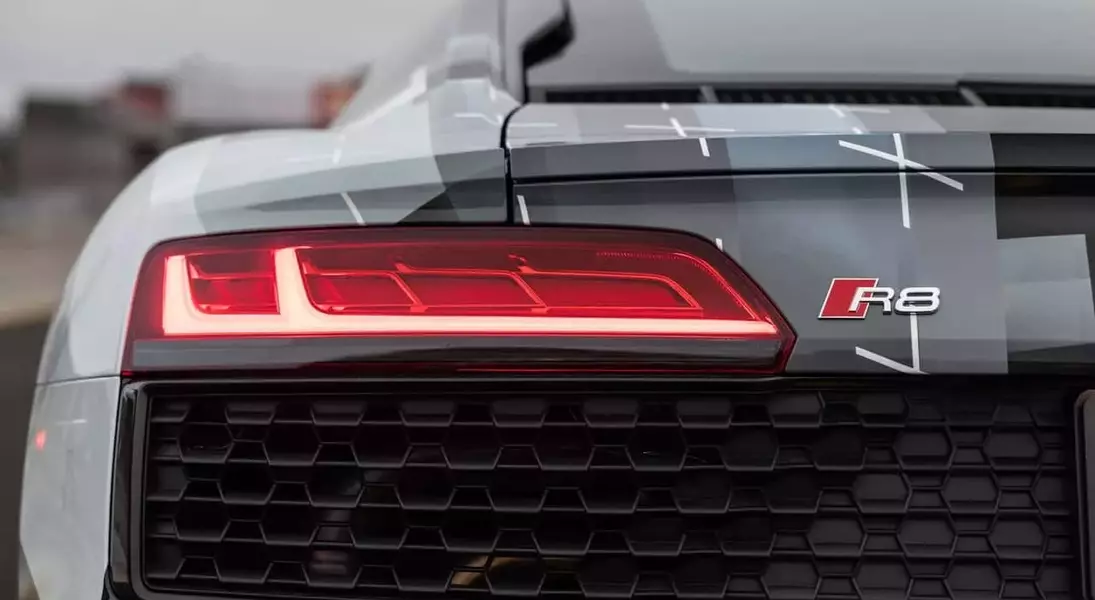
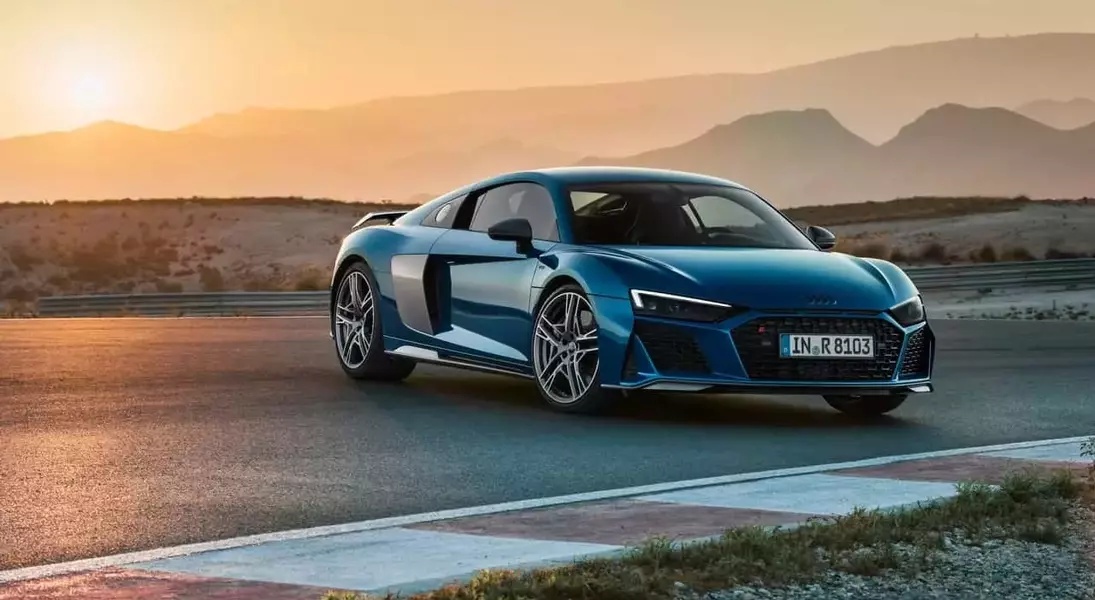
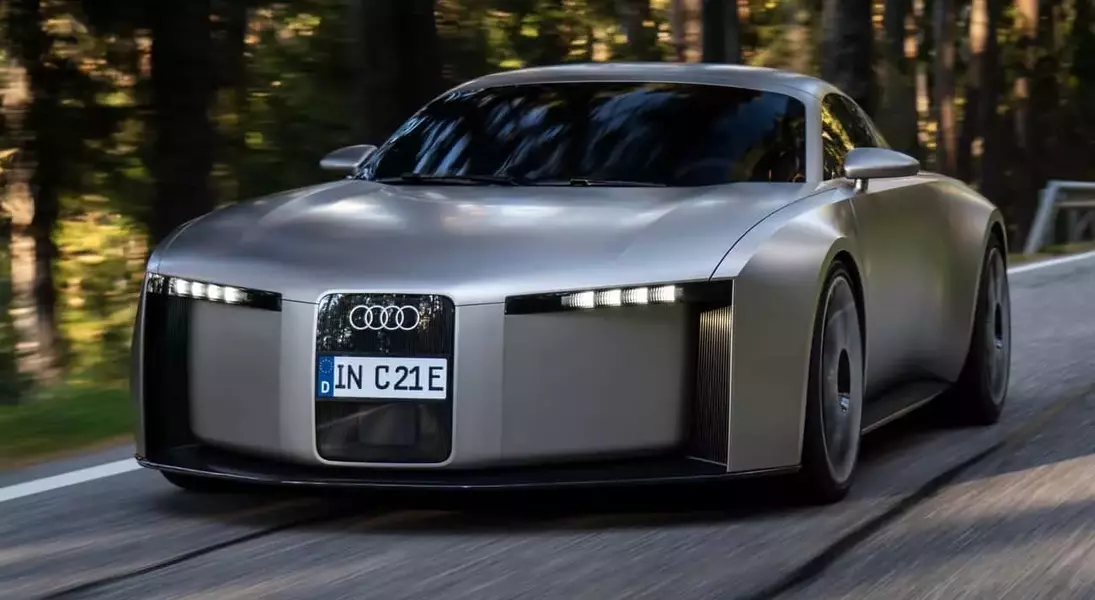
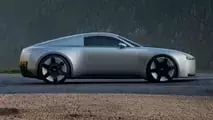
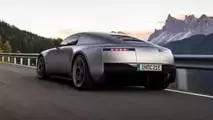

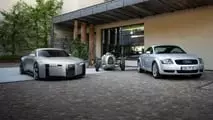
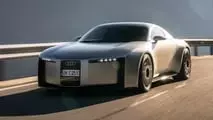
Two years after the Audi R8's production ceased, discussions about its potential return have emerged, with Audi Sport's managing director highlighting that any revival would be strictly contingent upon profitability. Despite recent reports suggesting a comeback isn't imminent, the door remains open for a new supercar under specific conditions. This potential third-generation R8 would almost certainly adopt a plug-in hybrid powertrain to adhere to increasingly stringent emissions regulations, likely leveraging a collaborative platform, possibly with Lamborghini.
Audi's Future Supercar Strategy: Hybrid Power and Financial Prudence
The possibility of a new Audi R8 continues to intrigue enthusiasts, two years after the iconic supercar's production run concluded. Discussions with Audi Sport's managing director, as reported by Go Auto, reveal that any future iteration of the R8 is not a certainty but rather a strategic consideration dependent on significant financial viability. The Ingolstadt-based automaker, while not ruling out a successor, emphasizes that such a project would need a robust business case to justify the considerable investment in research and development.
A critical factor in the R8's potential return is its powertrain. Given the global push towards stricter emissions standards, a new R8 would almost certainly be a plug-in hybrid. Developing an entirely new combustion engine for a low-volume supercar is deemed unfeasible by Audi. While this shift might diverge from the traditional naturally aspirated V8 or V10 engines cherished by purists, Audi Sport's managing director suggests that consumer acceptance of hybrid supercars is growing. This is evidenced by Audi Sport's recent forays into performance plug-in hybrids, such as the new RS5, with the forthcoming RS6 also expected to feature a hybrid setup.
Furthermore, the financial aspect is paramount. The managing director stressed that "every car has to be a business case," implying that a new R8 could not simply rely on its brand-leveraging effect. This financial prudence strongly suggests that if a third-generation R8 were to materialize, it would likely be born from a collaboration, similar to past partnerships with Lamborghini during the Gallardo and Huracan eras. With Lamborghini's recent introduction of the Temerario, a successor to the Huracan featuring a twin-turbo V8, speculation arises that a future R8 could share a platform with this Italian counterpart. However, reports of a 2027 return for the R8 have been dismissed as speculative, indicating that Audi's focus remains on core models and its electric vehicle lineup, including new SUVs like the Q7 and Q9, and the reintroduction of the A2 as an entry-level EV.
The automotive industry is in a state of rapid transformation, and Audi's cautious approach to reviving the R8 reflects the evolving priorities of major manufacturers. While the allure of a new R8 is undeniable for performance car enthusiasts, the economic realities and regulatory pressures dictate a more pragmatic strategy. The emphasis on profitability and shared platforms underscores the increasing challenges of producing niche, high-performance vehicles in an era dominated by electrification and market efficiency. It will be fascinating to observe how Audi navigates these complexities, balancing its heritage of innovation with the demands of a sustainable and financially sound future.
