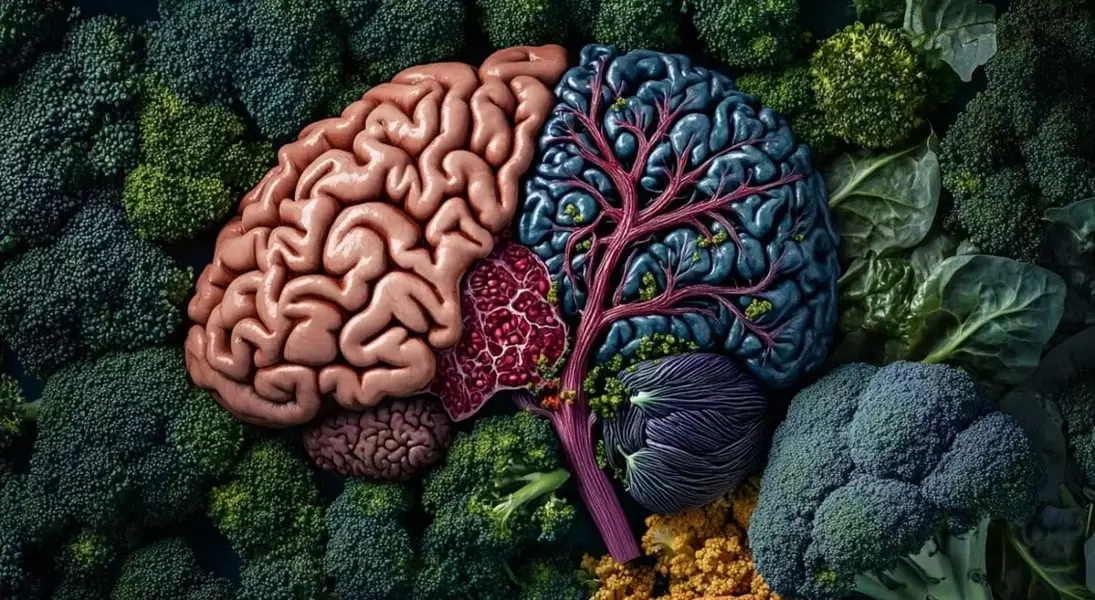
Emerging research from Tufts University highlights the potential impact of insufficient vitamin K on brain health as individuals age. Conducted using middle-aged rodents, the study suggests that a lack of this essential nutrient may heighten inflammation and hinder the production of new neurons in the hippocampus, an area critical for learning and memory. By examining dietary habits and their effects on cognitive function, scientists aim to uncover the mechanisms through which vitamin K supports brain health. The findings emphasize the importance of consuming a diet rich in leafy greens over relying on supplements.
A recent investigation carried out at Tufts University's Jean Mayer USDA Human Nutrition Research Center on Aging (HNRCA) has unveiled significant insights into how inadequate intake of vitamin K might compromise cognition in older adults. Researchers focused on menaquinone-4, a form of vitamin K prevalent in brain tissue, discovering reduced levels in mice fed a low-vitamin K diet. These animals exhibited notable difficulties with memory tasks and spatial learning challenges, indicating possible cognitive impairments tied to diminished neurogenesis and heightened inflammation within the hippocampus.
Over a six-month period, scientists administered different diets to groups of mice to assess the influence of vitamin K on cognitive performance. Mice deprived of adequate vitamin K displayed slower progress in learning tasks, such as locating a hidden platform in a water maze. Upon analyzing brain samples, researchers observed fewer developing neurons in the hippocampus alongside elevated microglial activity, suggesting increased inflammation. This dual effect—reduced neuron proliferation and chronic inflammation—may explain the observed cognitive deficits.
Lead researcher Tong Zheng explained that neurogenesis plays a pivotal role in maintaining cognitive functions like learning and memory. The team's findings underscore the protective qualities of vitamin K against age-related decline. Additionally, Sarah Booth, director of HNRCA, emphasized that these results do not advocate for supplement use but rather stress the necessity of a balanced diet filled with green vegetables to support long-term brain health.
In conclusion, the study reinforces the value of incorporating vitamin K-rich foods into daily meals to preserve cognitive abilities as we age. By focusing on natural dietary sources rather than artificial supplements, individuals can potentially mitigate risks associated with declining brain function. Collaborative efforts between institutions like Tufts and Rush University Medical Center continue to explore human applications of these findings, aiming to enhance our understanding of how nutrition impacts aging brains.
