

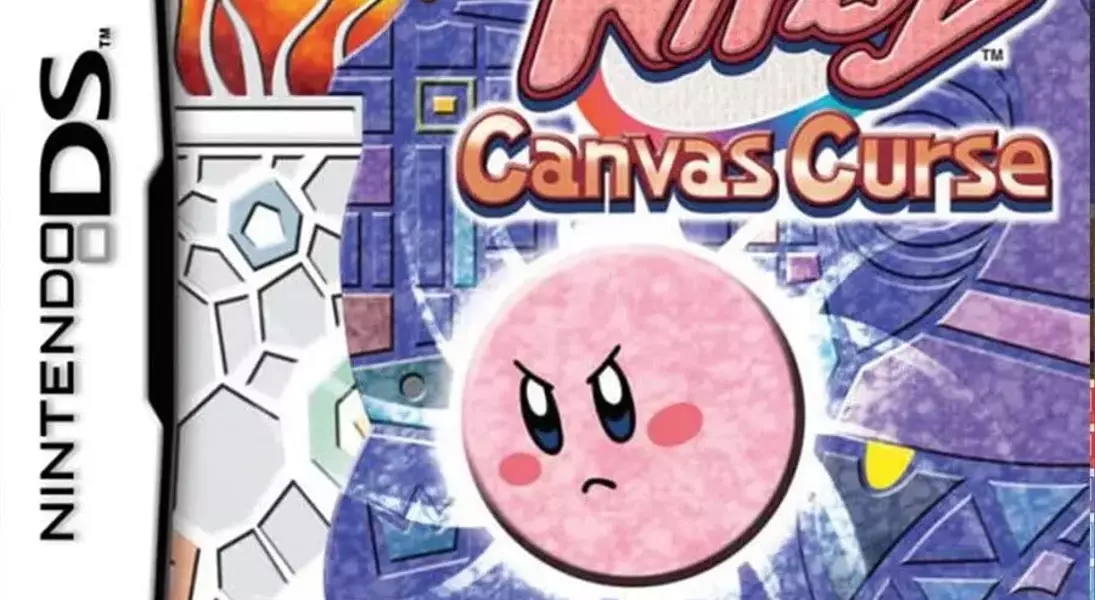
The ongoing series evaluating video game cover art continues, this time spotlighting the classic Nintendo DS title, Kirby: Canvas Curse, also recognized as Kirby: Power Paintbrush in some territories. Following a recent contest where the Western design for Mario & Luigi: Superstar Saga achieved a decisive victory, attention now shifts to another beloved Nintendo character. This particular Kirby adventure was notable for its innovative use of the DS's then-new touchscreen capabilities, where players guided the pink hero by drawing paths. While perhaps not the most critically acclaimed entry in Kirby's history, it holds a special place in the hearts of many for its unique gameplay premise.
The visual representations for Kirby: Canvas Curse reveal distinct artistic philosophies between the Western and Eastern markets. The North American and European release shares a unified cover, presenting a dynamic and visually complex scene: a determined Kirby boldly illuminates a dark, mosaic-like backdrop as he advances towards a source of light. This artwork is characterized by its vibrant color palette, particularly the prominent, rainbow-encircled logo, creating an overall impression of intense action and adventure. In stark contrast, the Japanese rendition embraces a minimalist and tranquil approach. It eschews the darker tones and intricate patterns, instead showcasing a joyful Kirby emerging from the corner, gently interacted with by a DS stylus, all set against a calming baby blue environment, conveying a sense of playful simplicity.
The diverse artistic interpretations found in these regional box art designs offer a fascinating look into how different cultures perceive and market the same interactive experience. Each cover, in its own unique way, endeavors to capture the essence of the game, whether through a portrayal of epic journey or serene interaction. This contrast reminds us of the power of visual communication and how creative choices in design can evoke vastly different emotions and expectations, ultimately enriching our appreciation for the global tapestry of gaming art. It encourages a broader perspective, recognizing that beauty and effectiveness can manifest in multiple forms, inspiring us to celebrate diverse expressions of creativity.
