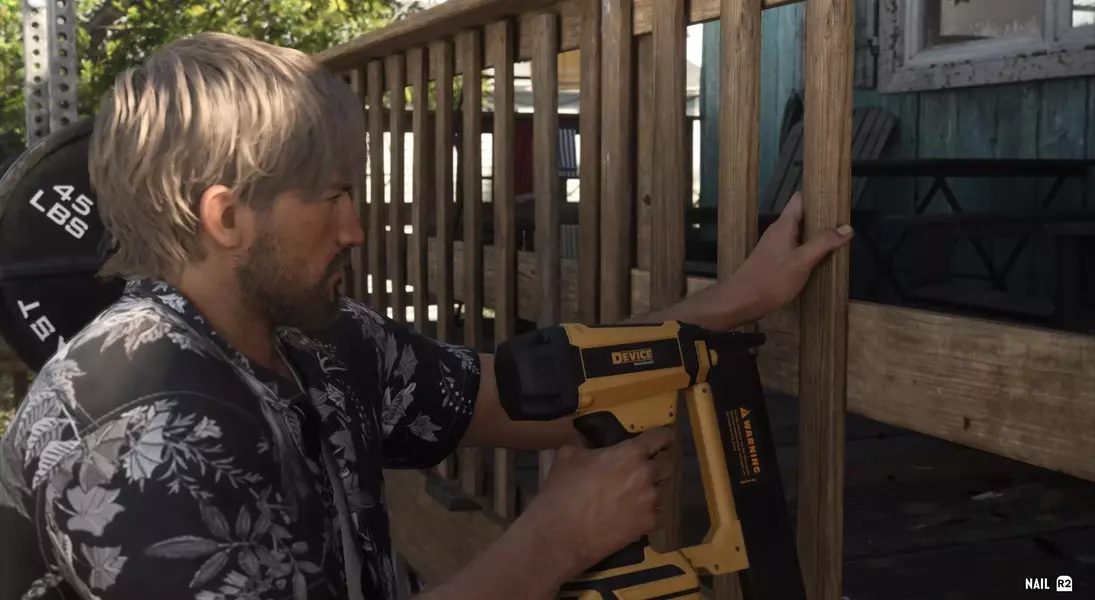
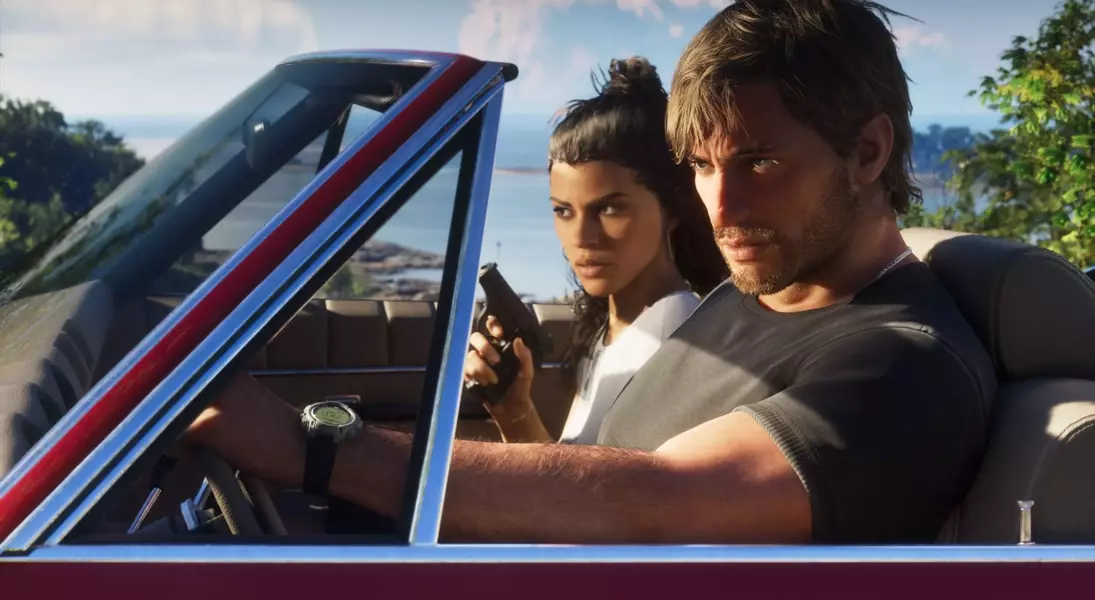



Rockstar Games' latest release, Grand Theft Auto 6, has significantly elevated the standard for open-world gaming, offering a meticulously crafted experience that is both groundbreaking and, at times, polarizing. Since its November 19th debut, the title has garnered critical acclaim, achieving a 99 Metascore and setting new sales records with 32.5 million units pre-launch. This monumental achievement compels every studio developing open-world titles to critically examine its design philosophies, both for inspiration and as cautionary tales. The game excels in fostering player-driven narratives through spontaneous environmental interactions, where unexpected events unfold organically, transforming routine tasks into thrilling escapades. Characters like Jason and Lucia navigate a world teeming with unpredictable encounters, illustrating a departure from traditional, heavily scripted side quests. This dynamic environment extends to mission design, offering players diverse approaches to objectives, from direct confrontation to creative stealth tactics, allowing for a truly adaptive gameplay experience that significantly advances the genre.
Furthermore, Grand Theft Auto 6 introduces a masterful approach to world exploration and character interaction, which greatly enhances immersion. Rather than immediately overwhelming players with a vast, open map, the game incrementally unlocks regions, thoughtfully guiding players through key areas like the Leonida Keys before unveiling the expansive Vice City. This phased revelation ensures each new locale feels significant and allows players to forge deeper connections with the game world, creating lasting memories tied to specific territories. Additionally, the game’s non-player characters (NPCs) are remarkably sophisticated, reacting to player actions with a diverse range of behaviors and dialogues. These nuanced interactions, whether a casual greeting escalating into a confrontation or a minor fender bender leading to a dramatic chase, contribute to a vibrant, living world where every NPC interaction feels unique, moving beyond their conventional roles as mere background elements or quest dispensers.
However, Grand Theft Auto 6’s ambitious pursuit of realism sometimes creates friction with player enjoyment and establishes concerning precedents for the industry. The game's heightened realism, particularly in vehicle physics, has led to some players feeling that the gameplay is slower and less 'arcadey' than previous installments, occasionally detracting from the core fun. While the visual fidelity and intricate details are undeniably impressive, the compromise of a 30 frames per second frame rate on consoles for features like elaborate hair physics raises questions about optimization priorities. Another point of contention is the pricing strategy for the 'Ultimate Edition,' which costs an additional $20 and locks certain in-game establishments and side missions behind a paywall. This practice of segmenting core gameplay experiences, even if primarily cosmetic, sets a perilous precedent, potentially fostering a 'fear of missing out' culture and fragmenting the player base, which could normalize incomplete standard editions across the gaming landscape.
Grand Theft Auto 6 undeniably solidifies Rockstar's position as a titan in game development, broadening the chasm between its offerings and those of its competitors. Its triumphs in emergent storytelling, strategic world-building, and dynamic character interactions provide invaluable blueprints for future open-world titles, inspiring developers to craft more profound and engaging player experiences. Conversely, its missteps regarding excessive realism impacting gameplay and the controversial content distribution model of its premium edition offer crucial lessons in what the industry should consciously avoid. By internalizing the best innovations from Leonida while steering clear of its less successful experiments, the next generation of open-world games can unlock a transformative era of creativity and unparalleled player satisfaction, collectively pushing the boundaries of interactive entertainment towards a more inclusive and captivating future.
